
Among Rome’s iconic seven hills, the Aventine Hill emerges as a captivating chapter in the city’s rich tapestry, beckoning travelers to embark on a journey through history and legend. As you gaze at the enchanting vista of the Aventine from the Ponte Palatino, you’re transported to a world where myths intermingle with centuries-old secrets.
Originally christened “Mons Murcius” for the myrtle-clad landscape, the hill eventually shed this name to embrace its modern identity as the Aventine. The origins of this name are shrouded in enigma. Some whisper that it traces back to “aves” in Latin, with Remus, one of Rome’s legendary founders and first king of Rome, allegedly spotting fewer birds here compared to his brother Romulus on the neighboring Palatine.
Another theory suggests “ab advectu“, hinting at its isolation by marshes and its accessibility primarily by boat. Yet, the most tantalizing legend revolves around King Aventine of Alba Longa, who, it is said, met a dramatic end on this very hill, struck by lightning and interred here.
.
.
The precise moment when the Aventine first felt the touch of human footsteps remains a mystery, but tradition suggests that Ancus Marcius ( the legendary 4th King of Rome) might have been its first inhabitant. Over time, the hill metamorphosed into a bustling commercial hub, a melting pot of cultures and commerce, situated beyond the pomerium – the sacred boundary of ancient Rome. The Servian Walls, constructed in the 6th century BC, finally enclosed the hill, a fortification that remained intact until the era of Emperor Claudius.
Once a tranquil suburb of ancient Rome, it has since evolved into a significant center for Christian worship. Today, it offers respite from the bustling modern city, making it an ideal destination for a leisurely stroll. You may explore Aventine Hill with ease on Rome private driving tours, on shore excursions from Civitavecchia, or if you are staying in Rome you can easily make your way on foot from Circus Maximus.
.
Aventine Hill – A Must-See Hidden Gem in Rome
.
Municipal Rose Garden (Roseto Comunale)
.
.
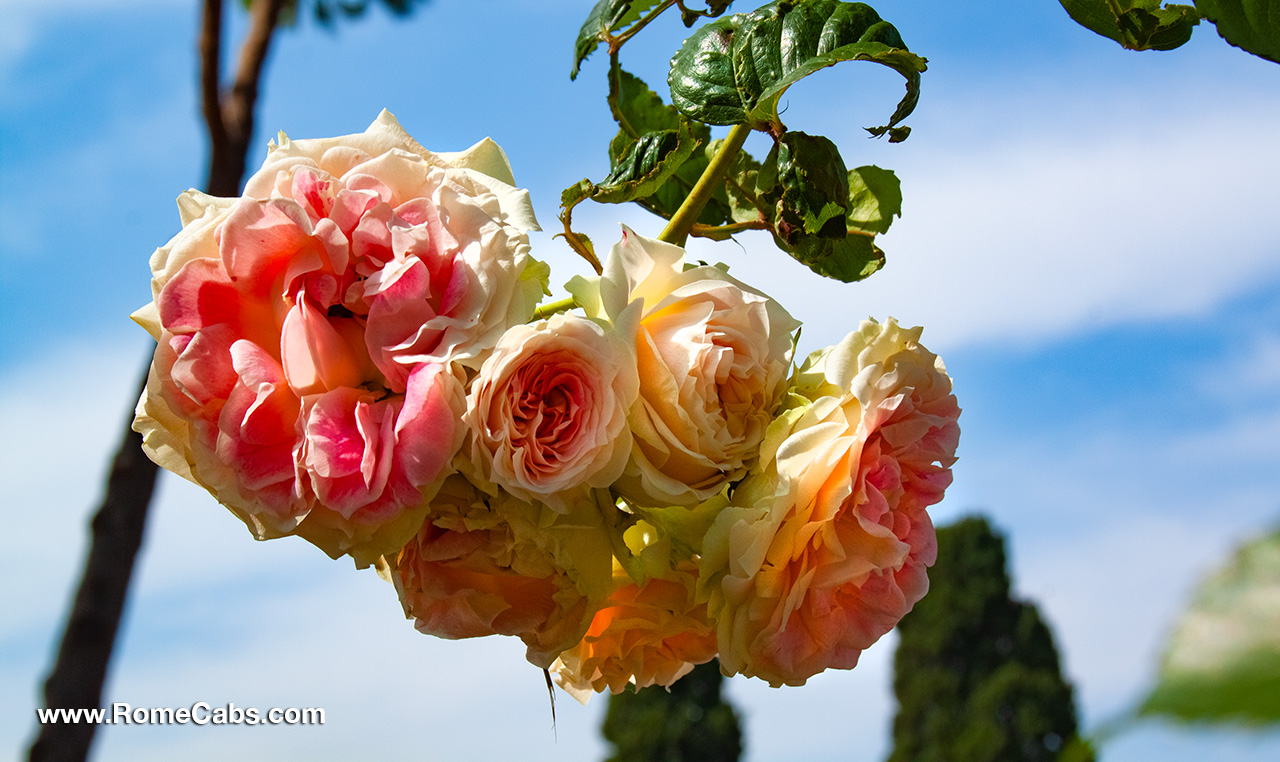
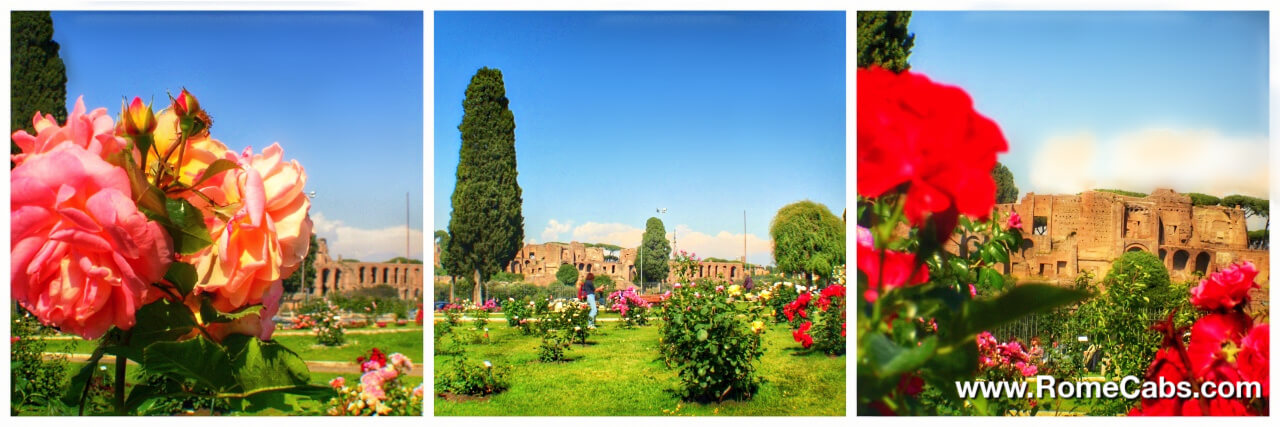
Across from Via Circo Massimo across Piazzale Ugo La Malfa, you’ll arrive at Rome’s municipal rose garden. This enchanting garden boasts an array of vibrant and fragrant roses, offering a serene and picturesque oasis on the Aventine.
The upper garden houses a collection of diverse rose varieties, while the lower garden serves as the stage for the international rose trials held annually in May, showcasing the roses of the future. A leisurely stroll amidst the colorful blooms and lush greenery provides a delightful and aromatic experience.
.
..
Orange Garden (Giardino degli Aranci)
Perched high on the Aventine Hill, the Orange Trees Garden, or Giardino degli Aranci, is a serene escape in the heart of Rome. This charming park, covering roughly 7,800 square meters, offers breathtaking panoramic views of the Eternal City.
Designed in 1932 by Raffaele De Vico, the garden was intended to provide the public with a new vantage point to appreciate Rome’s splendor, complementing the city’s other famous viewpoints on the Pincian and Janiculum Hills.
.

Whispers of History
The name “Orange Trees Garden” originates from the grove of bitter orange trees that grace the park. These trees are deeply rooted in the garden’s storied past. The garden sits on the grounds of a medieval fortress built by the Savelli family between 1285 and 1287, near the Basilica of Santa Sabina. This fortress, in turn, was constructed on the ruins of an even older castle from the 10th century, erected by the Crescentii family. The garden is still bordered by the ancient walls that once surrounded the Savelli castle, with remnants of the fortress whispering tales of old.
When the fortress passed into the hands of the Dominican Order of Santa Sabina, it was transformed into a monastery, and the grounds became a vegetable garden. According to legend, Saint Dominic himself planted the first orange tree here, having brought a sapling from Spain. Another charming story tells of Saint Catherine of Siena, who picked oranges from this very tree to make candied fruit for Pope Urban VI.
.
.
A Symphony of Symmetry and Serenity
The modern garden is a masterpiece of symmetry, with a central avenue that guides visitors straight to a stunning viewpoint over Rome. This central path is named after Nino Manfredi, a cherished Roman actor, while the garden’s main square honors Fiorenzo Fiorentini, another beloved actor who organized summer theater performances in the park for many years.
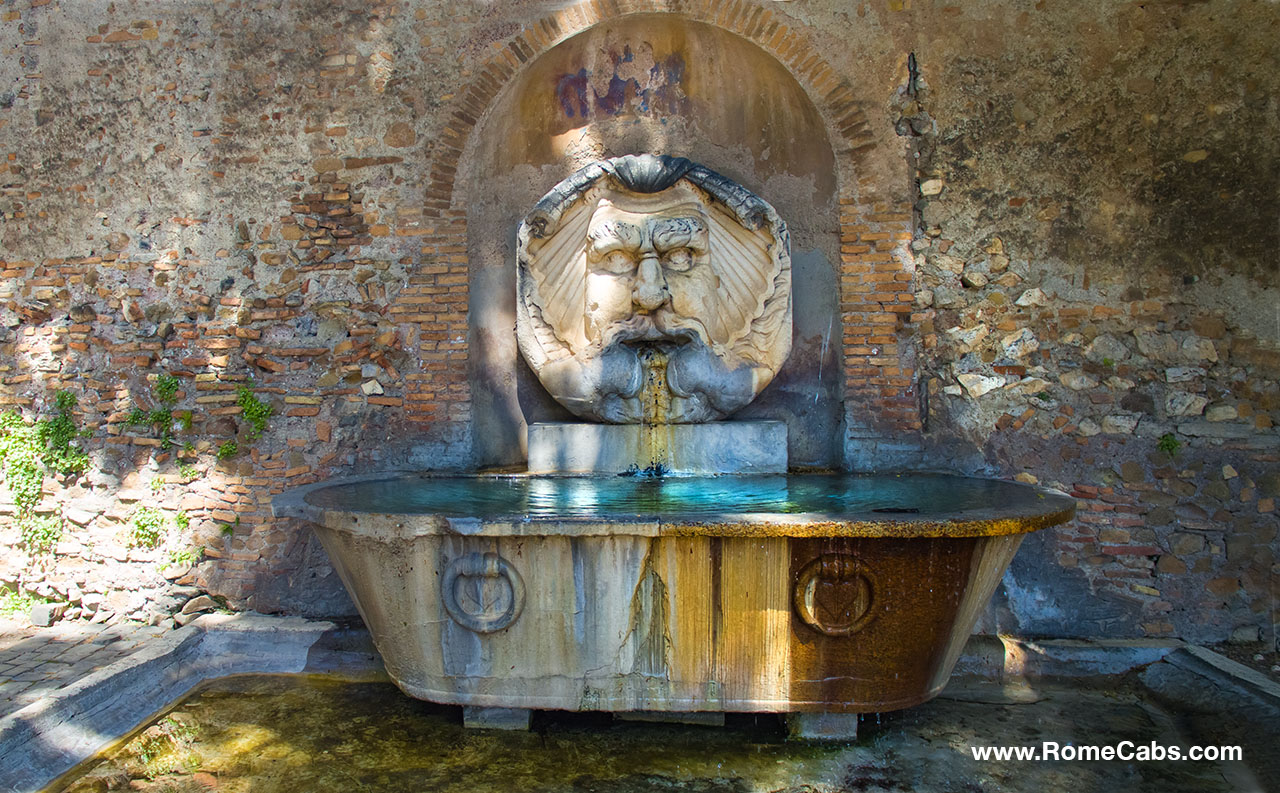
As you enter the garden through Piazza Pietro D’Illiria, you’re greeted by a unique fountain that tells a story of its own. The fountain combines a Roman thermal bath basin with a monumental marble mask. Originally carved by Giacomo della Porta in 1593 for a fountain at the Campo Vaccino cattle market, the mask has traveled through time. After the Campo Vaccino fountain was dismantled in 1816, the mask was relocated to a fountain on the Tiber River’s right bank in 1827. When this second fountain was demolished in 1890, the mask was stored away until it was finally placed at the Orange Trees Garden entrance, where it now enchants visitors.
.
.
A Haven of Relaxation and Views
The Orange Trees Garden is not just a park; it’s a portal to Rome’s layered history. It’s a place where ancient legends mingle with the vibrant life of today. Visitors can wander through its paths, shaded by the fragrant orange trees, and gaze out over the city’s iconic skyline from the terrace at the edge of the park.
.
Church of Santa Sabina
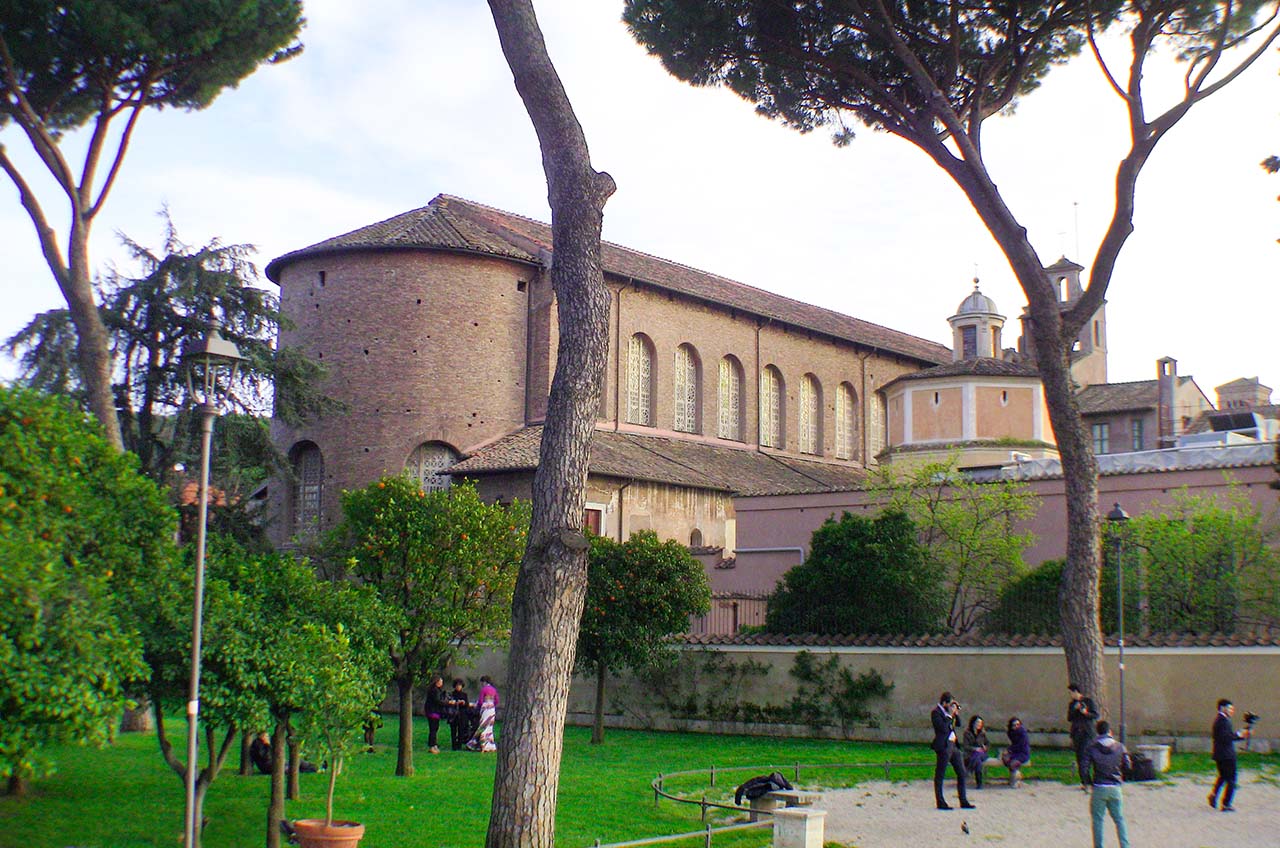
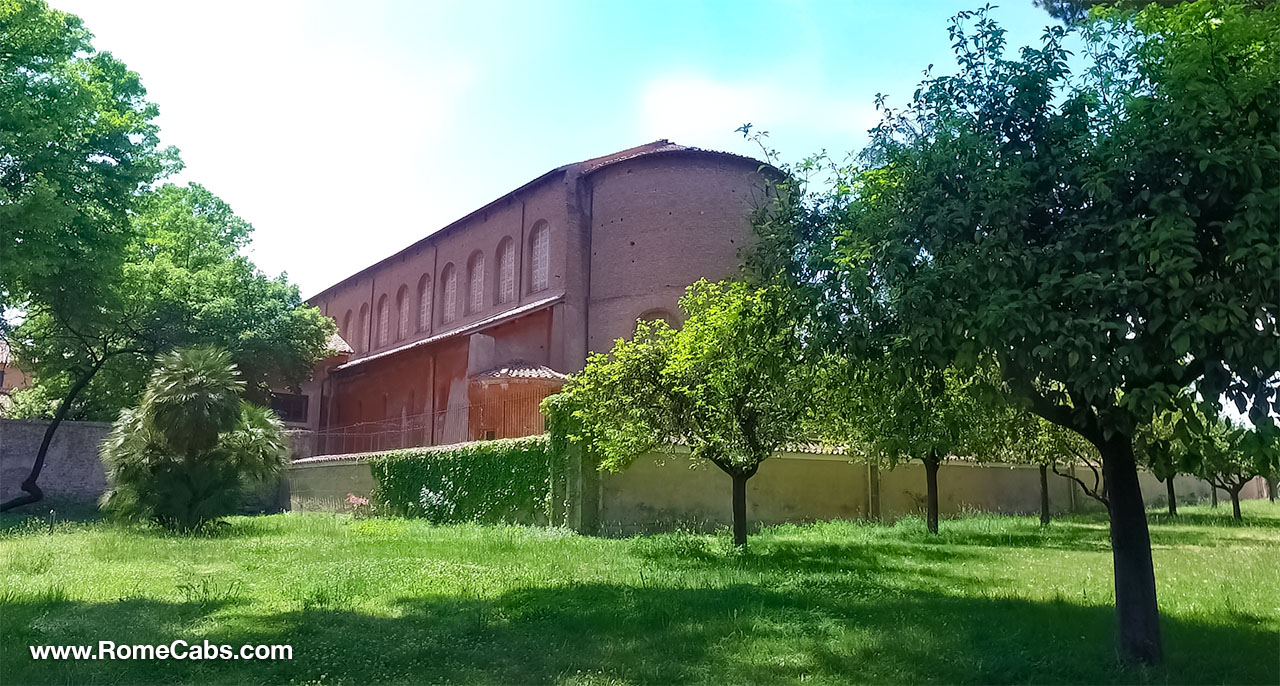
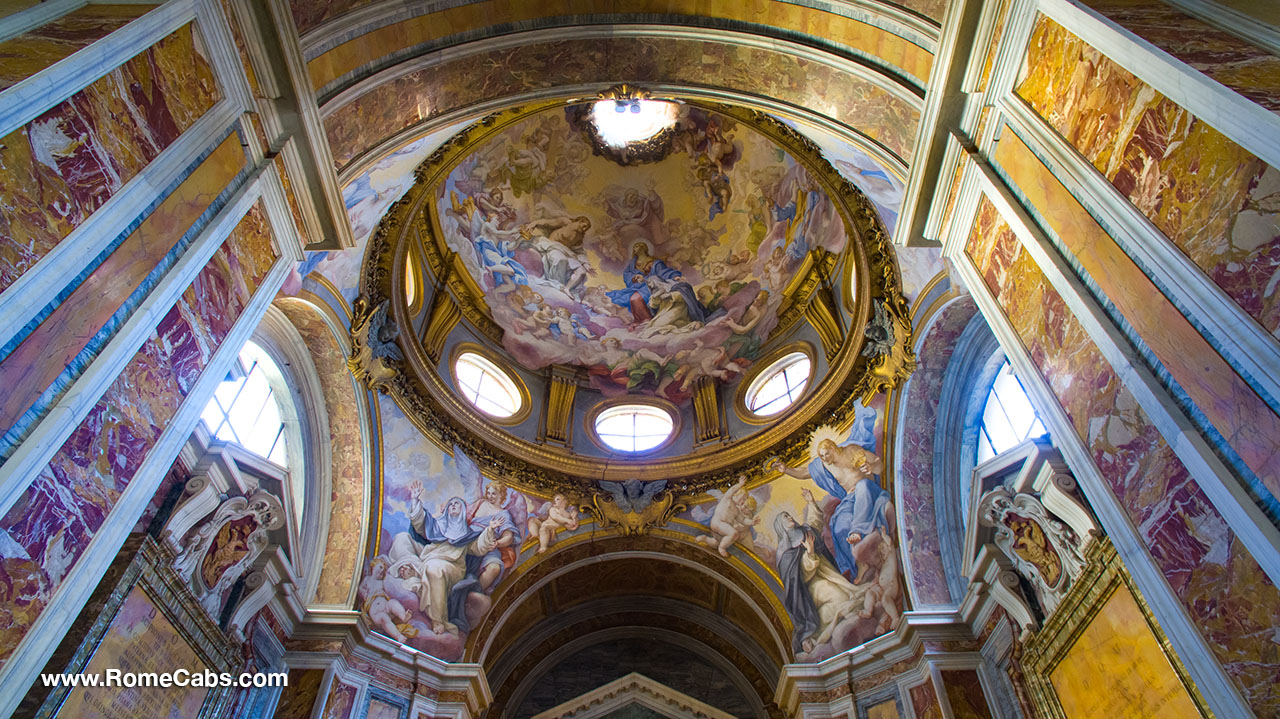
To the south of the Orange Garden further up along Aventine Hill is the church of Santa Sabina, another must-see hidden-gem in Rome. Santa Sabina is one of Rome’s oldest and most historically significant churches, dating back to the 5th century. It was founded by Peter of Illyria between 425 and 432 on the site of a Roman temple and was an expansion of a church-house owned by a Christian woman called Sabina. In 1219, the church was entrusted to the Dominican order, and they have continued to care for it to this day.
.
.
In 1219, the church was entrusted to the Dominican order, which continues to care for it. The church has witnessed numerous restorations and modifications over the centuries, yet its interior remains a testament to its fifth-century origins with ninth-century enhancements.
Among its unique features, Santa Sabina is home to a central wooden door adorned with 18 sculpted panels of biblical scenes, making it a rare and exceptional artistic treasure. The church also houses St. Dominic’s cell within the adjoining monastery, which can be visited upon request.
On the same side of Via S. Sabina, you’ll pass by another ancient church, dedicated to Saint Alessio, with portions dating back to the eighth century.
.
Piazza dei Cavalieri di Malta (Knights of Malta)
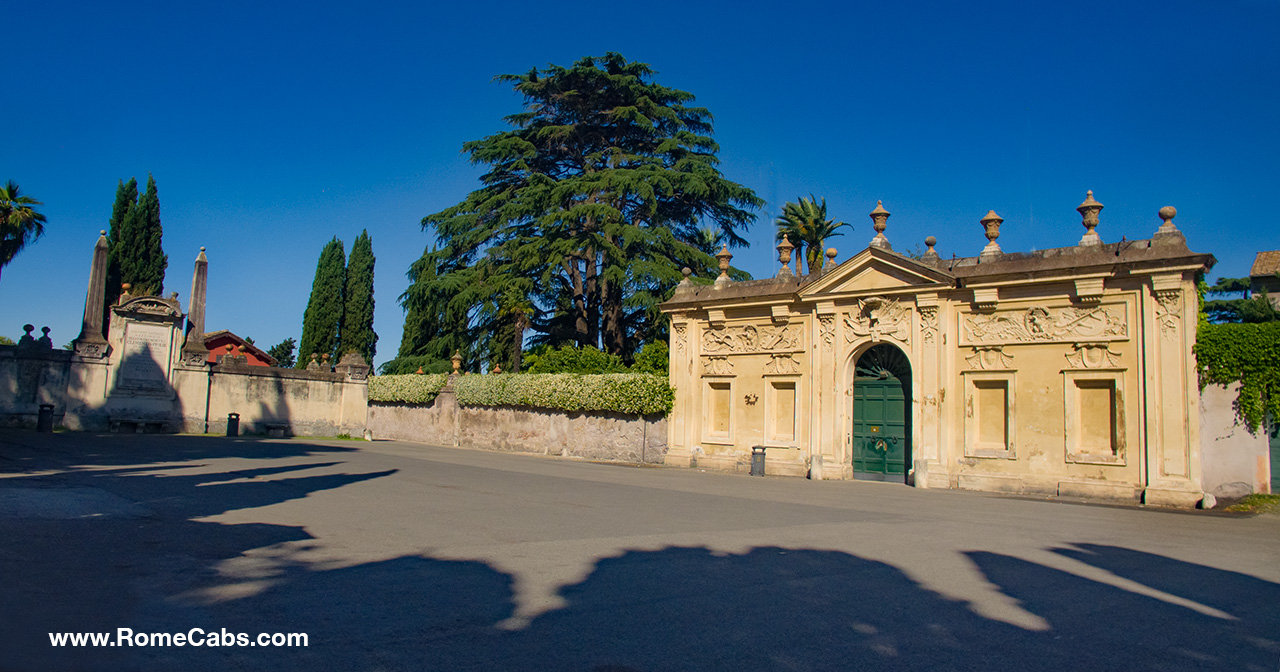
Further on along Via Santa Sabina you’ll arrive in the open square known as Piazza dei Cavalieri di Malta (Piazza of the Knights of Malta). This picturesque square is framed by the tall cypresses of the Benedictine garden and the imaginative screen of obelisks and stelae designed by the renowned etcher and architect Giovanni Battista Piranesi in 1765. This is one of the few realized architectural works by Piranesi, who is more famously known for his etchings of Rome.
.
.
Dominating the square is the neo-Romanesque bell tower of the Church of San Anselmo, built between 1893 and 1900, which is part of the international Benedictine seminary. On the northern side of the square, visitors encounter the monumental entrance screen designed by Piranesi, commissioned by Cardinal Carlo Rezzonico, the nephew of Pope Clement XIII.
.
A Journey Through Time
The site’s history is as rich and layered as Rome itself. In the 10th century, it was a fortified Benedictine monastery, strategically located to overlook the Tiber River and the ancient Pons Sublicius bridge. Over the centuries, the monastery changed hands, first passing to the Templars and, after their fall, to the Knights Hospitaller, the predecessors of the current Sovereign Military Order of Malta. Significant rebuilding efforts took place from the 15th to the 17th centuries, shaping the villa into its current form. The villa was granted extraterritorial status in 1869, enhancing its importance as a sovereign enclave within Rome.
The Villa del Priorato di Malta, also known as the Magistral Villa, serves as one of the two main institutional seats of the Sovereign Military Order of Malta. This historic estate, along with the Magistral Palace, enjoys extraterritorial status, much like an embassy, granting it a unique position within Italy. The villa also houses the Grand Priory of Rome and the Order’s embassy to Italy, making it a vital hub for the Order’s governance and diplomatic activities.
.

.
The Famous Keyhole on Aventine Hill
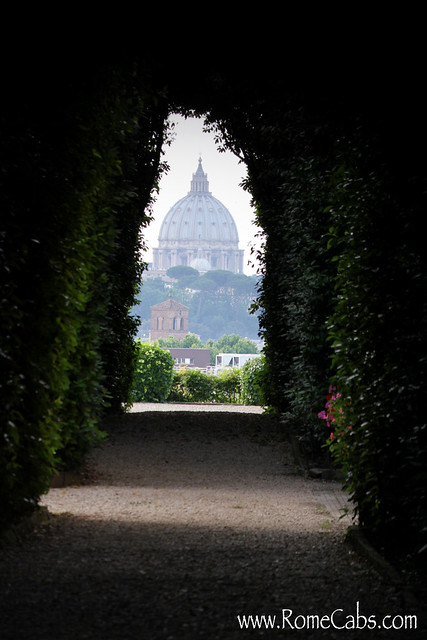
Perhaps the most enchanting feature of the villa is the “Il Buco Della Serratura” (The Keyhole). Through this keyhole in the arch-headed central door, visitors can glimpse the perfectly framed, copper-green dome of Saint Peter’s Basilica, situated at the end of a garden alley lined with meticulously clipped cypress trees. This unique view has captivated visitors for generations and remains one of Rome’s best-kept secrets.
READ MORE from RomeCabs Travel Blogs:
Beyond the Colosseum: Explore Rome’s Hidden Architectural Gems
3 Common Mistakes that Ruin Your Summer Trip to Rome
Exploring the Eternal City: Is Rome Safe? Top 20 Travel Safety Tips
.
Church of Sant’Anselmo
Next to Piazza dei Cavalieri di Malta is the Church of Sant’Anselmo exudes timeless charm despite its 19th-century origin. Built atop the ruins of an ancient Roman domus, it houses a remarkable 2nd- and 3rd-century AD mosaic depicting scenes from the Orpheus myth.
In 1893, Pope Leo XIII initiated its construction, dedicated to Sant’Anselmo, the Doctor of the Church and former Archbishop of Canterbury. A tree-lined path leads to a grand entrance with a bronze statue of the Saint by sculptor Albert Wider.
The church features a majestic bell tower and an elegant Romanesque design. Inside, three naves separated by Ionic columns lead to a serene wooden ceiling. Sant’Anselmo is celebrated for its Gregorian chants during liturgical events and is a favored location for weddings, where history and spirituality blend seamlessly.
Not to be missed is a gift shop on the right side of the church that sells books, religious art, as well as delicacies and liquors made by the Benedictines.
With panoramic views, ancient churches, serene gardens, and the allure of its mysterious legends, Aventine HIll is a must-visit location that will undoubtedly add a touch of magic to your Roman adventure. Whether you choose to venture to this enchanting destination on your own or book a guided tour by car, Aventine Hill promises an unforgettable experience.
.
Exploring Beyond Aventine Hill: Top Nearby Sites in Rome
.
While Aventine Hill itself is a tranquil escape, the surrounding area is rich with exciting places to explore. Here are some 10 must-see places in Rome nearby that add to the charm of this historic part of Rome:
Circus Maximus: Located just a short stroll from Aventine Hill, Circus Maximus was the largest chariot racing stadium in ancient Rome. Today, it’s an expansive public park where you can walk amidst the ruins and imagine the thrilling races that once captivated Roman spectators.
Palatine Hill: Just behind Circus Maximus, Palatine Hill is one of Rome’s most ancient sites. It offers a wealth of ruins, including the remains of imperial palaces and temples, along with spectacular views over the Roman Forum and the Colosseum.
The Colosseum: A must-visit landmark, the Colosseum is a short walk from Aventine Hill. This iconic amphitheater is an architectural marvel and a symbol of ancient Rome’s grandeur. Explore its labyrinthine corridors and imagine the gladiatorial games that once took place here. Nearby is the imposing Arch of Constantine, the triumphal arch of Emperor Constantine the Great.
.

.
Roman Forum: Adjacent to the Colosseum, the Roman Forum is the heart of ancient Rome’s public life. Wander through the ruins of temples, basilicas, and government buildings, and soak in the history of this once-bustling center of civic and social activities.
Capitoline Hill: Across the Forum from Palatine Hill, Capitoline Hill is home to the Capitoline Museums, which house an impressive collection of ancient Roman art and artifacts. The hill also offers stunning views of the Forum and the city beyond.
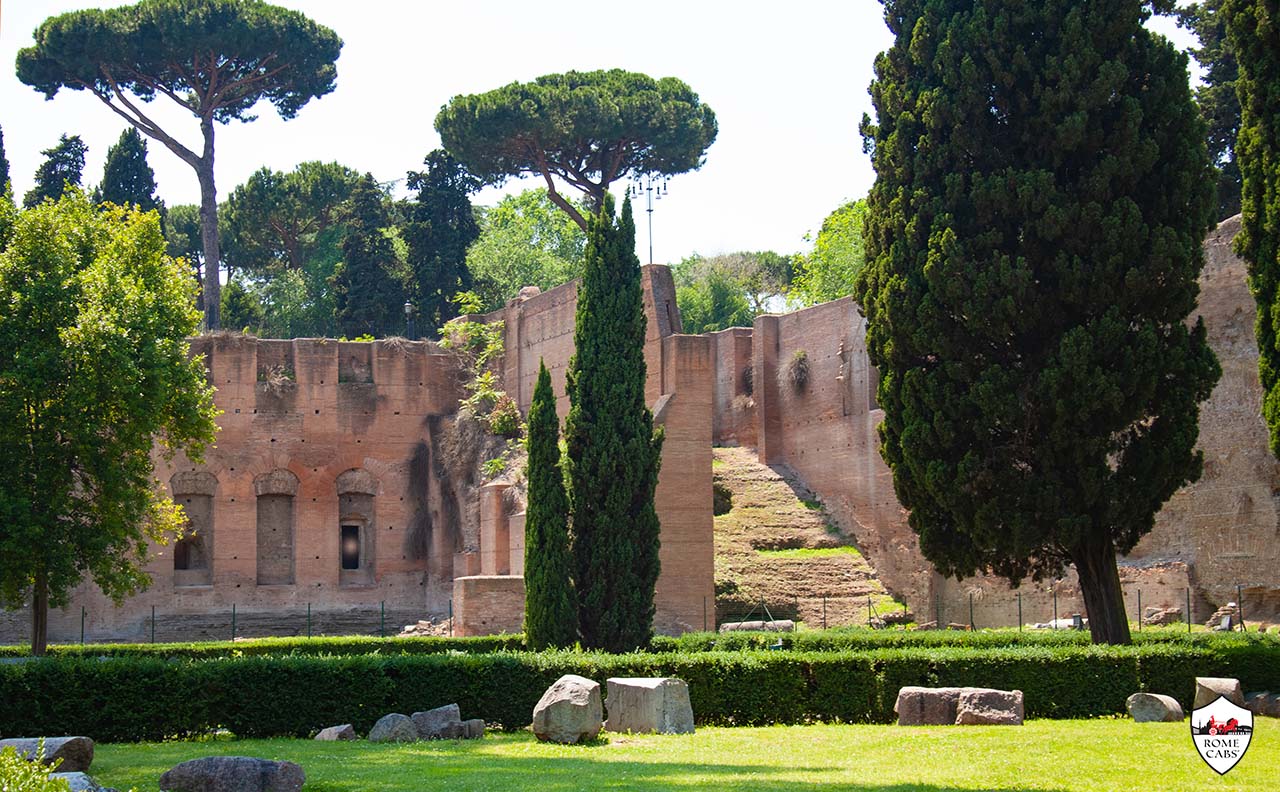
Baths of Caracalla: A short walk from Aventine Hill, these grandiose ruins showcase the remains of one of Rome’s largest and most luxurious public baths. Explore the expansive complex and appreciate the scale and sophistication of Roman engineering.
.
.
Basilica of San Clemente: A bit further but still easily accessible, this basilica near the Colosseum is renowned for its layered history. The church is built over earlier Christian and pagan structures, offering a fascinating glimpse into Rome’s evolving history.
Mouth of Truth (Bocca della Verità): Situated near the Church of Santa Maria in Cosmedin, this famous marble mask is believed to bite the hand of anyone who tells a lie. Visitors can test their honesty while enjoying the beautiful church and its medieval bell tower.
Piazza Venezia: This bustling square is home to the imposing Altare della Patria (Altar of the Fatherland), also known as the Vittoriano. Climb to the top for panoramic views of Rome, and explore the nearby historical sites, including the Roman Forum and Capitoline Hill.
.

.
Trastevere: Across the Tiber River, the Trastevere neighborhood is known for its vibrant nightlife, narrow cobblestone streets, and charming piazzas. Visit the Basilica of Santa Maria in Trastevere, one of the oldest churches in Rome, and enjoy the lively atmosphere of this bohemian district.
.
Book your ROME TOURS with a visit to AVENTINE HILL:
.
.
.
Find RomeCabs online also on:
- RomeCabs FACEBOOK
- RomeCabs PINTEREST
- RomeCabs TWITTER
- RomeCabs INSTAGRAM
- RomeCabs FLICKR Photo Gallery
- Rome Cabs Recommended on Cruise Critic
.
 RomeCabs Blog Italy - Italy Private Excursions, Rome Tours, Civitavecchia Transfers
Leave a Reply