.
Buongiorno and welcome to RomeCabs Italy blog!
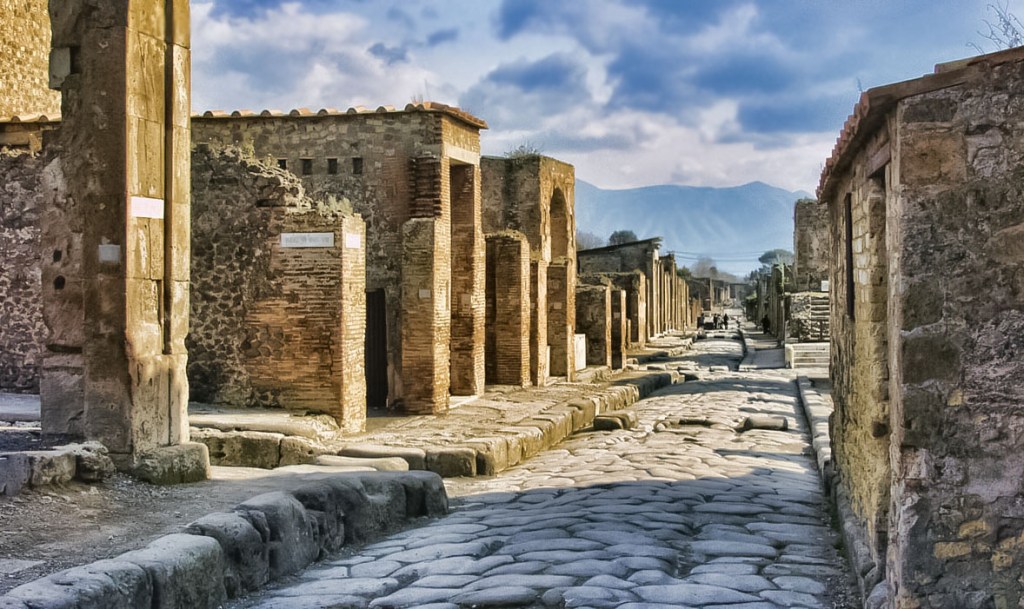
Pompeii, an archaeological wonder of ancient Rome, has long been celebrated for its poignant history and well-known attractions.
However, beneath the well-trodden paths and famous landmarks lie a plethora of secrets, hidden gems, and historical nuances that offer a deeper and richer perspective of this remarkable city.
These lesser-known aspects of Pompeii reveal a glimpse into life in this ancient Roman city, providing visitors with a more profound appreciation of its history, architecture, and culture. In this travel blog we will explore some of the secrets of Pompeii most people don’t know.
.
Graffiti and Inscriptions: the Voices of Pompeii
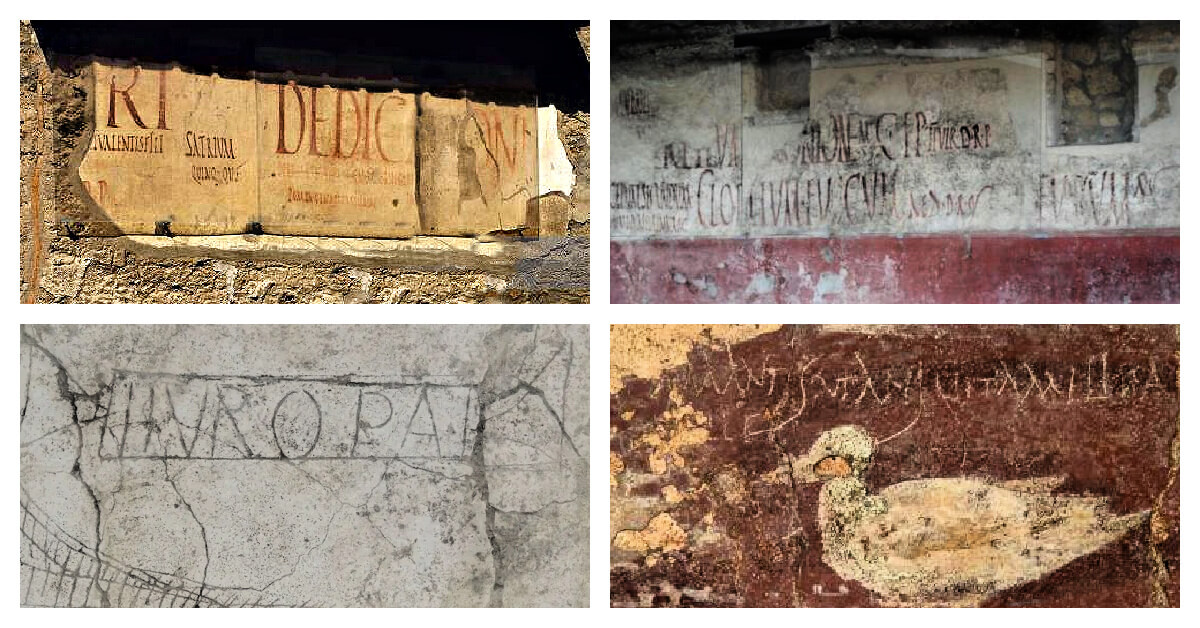
Wandering through Pompeii, one cannot help but be captivated by the walls adorned with graffiti and inscriptions. These seemingly inconspicuous markings actually offer a unique portal into the daily lives and musings of the city’s inhabitants.
The walls speak, bearing witness to political messages, advertisements, declarations of love, and snippets of local gossip. Every scribble and stroke tells a story, turning the silent stone into a vibrant canvas that showcases the very essence of Pompeii’s people.
.
.
Here are a few examples of the secrets that Pompeii’s graffiti and inscriptions unveil:
Political Messages on walls of Pompeii
In an age when social media and printed newspapers were non-existent, the walls of Pompeii served as a public forum for the exchange of political ideas. Citizens would carve or paint their political beliefs and opinions for all to see.
These messages offer invaluable insights into the political climate of the time, highlighting the concerns, debates, and allegiances of Pompeii’s residents. It’s as if the walls themselves were participants in the political discourse of the era.
Declarations of Love and Personal Musings
Amid the political slogans and commercial promotions, one can also find expressions of love, personal reflections, and snippets of local gossip. Pompeii’s walls were a canvas for matters of the heart and soul.
Lovers declared their affection in passionate words and symbols, and individuals used the walls to share their thoughts and musings on life, society, and the world around them. These personal messages humanize the past, revealing the desires and emotions of those who once walked these same streets.
Ancient Advertising: The Marketing Marvels of Pompeii In the bustling marketplaces of Pompeii, advertising was a thriving industry. Inscriptions and vivid paintings on the walls of buildings were the billboards of their day, enthusiastically promoting businesses, services, and products.
The walls came alive with advertisements for wine, bread, brothels, and gladiator shows, giving a glimpse into the vibrant commercial life of ancient Pompeii. These vibrant expressions of commerce still captivate visitors today, just as they did centuries ago.
.
Thermopolia: Ancient “Fast Food” Establishments
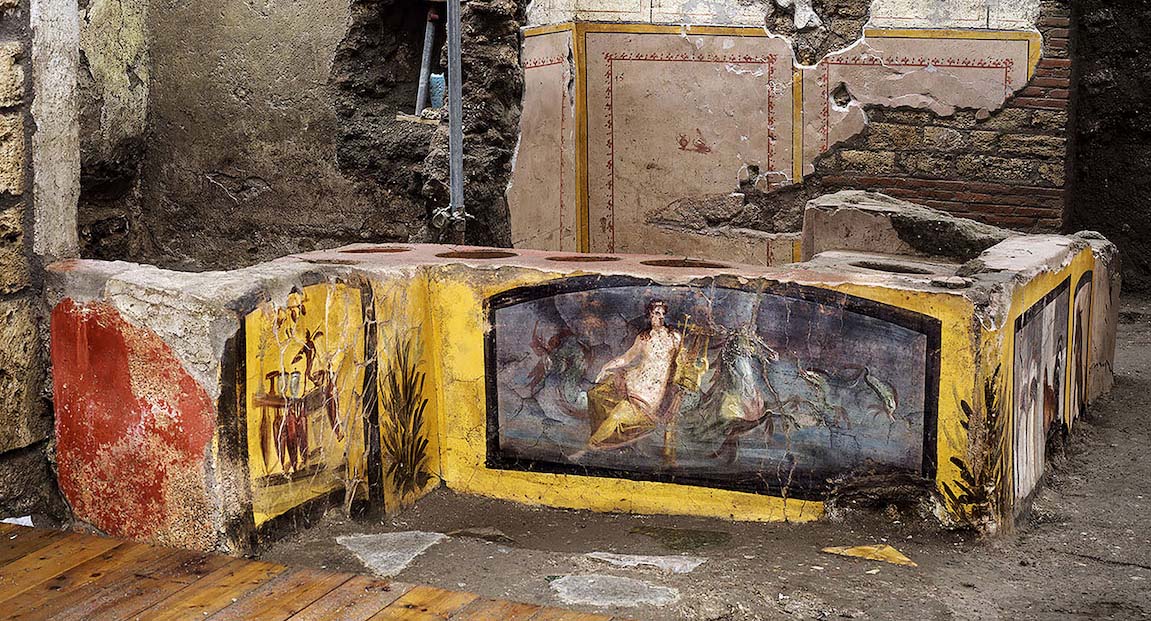
For those seeking a taste of the past, Pompeii’s thermopolia offer a fascinating glimpse into ancient Roman culinary culture. These ancient “fast food” establishments, found lining the bustling streets of Pompeii, were integral to daily life, serving hot and cold delicacies to the city’s residents and visitors.
Intriguingly, many of these thermopolia still bear remarkably preserved frescoes that depict the tantalizing array of food and beverages on offer. These frescoes provide a vivid window into the culinary world of ancient Pompeii, showcasing everything from succulent fruits and vegetables to freshly caught seafood and hearty bread.
Thermopolia were essential in a city where many homes lacked their own cooking facilities. They functioned similarly to modern-day restaurants or street food vendors, offering a variety of ready-to-eat meals. The popularity of these establishments underscores the social and practical importance of communal dining and quick meal options in Roman society.
.
.
Thermopolia were not just places to eat but also social hubs where people from different walks of life could gather, converse, and enjoy a meal together. They played a crucial role in the social fabric of Pompeii, providing a communal space that facilitated interaction and community bonding. The bustling atmosphere of these establishments, with their colorful frescoes and enticing aromas, would have been a lively and integral part of daily life in ancient Pompeii.
.
Culinary Offerings at Pompeii’s Thermopolia
While the exact offerings could vary between different thermopolia, the preserved frescoes and archaeological findings provide valuable insights into the typical menu items. Here are some examples of what people might have enjoyed at these establishments:
Pisum et Faba: (Peas and Beans): Peas and beans were common staples in Roman diets. They were nutritious, readily available, and could be served hot or cold. Often seasoned with herbs and spices for added flavor, these legumes were a popular choice for a quick and healthy meal.
Hare and Chicken: Pompeii’s residents had access to various meats, including hare and chicken. These meats were likely roasted or stewed and served with a variety of sauces made from ingredients such as vinegar, honey, and garum (a fermented fish sauce popular in Roman cuisine). The availability of these meats highlights the diversity of protein sources in the ancient Roman diet.
Fish and Seafood: As a coastal city, Pompeii had a ready supply of fresh fish and seafood. Fish could be grilled, fried, or even pickled, while other seafood options included shellfish like mussels and clams. The presence of seafood in thermopolia menus emphasizes the importance of local resources in Pompeian cuisine.
Bread: Bread was a dietary staple in Pompeii, with various types available, ranging from simple loaves to more elaborate varieties enriched with ingredients like olives, cheese, or dried fruits. The widespread consumption of bread reflects its role as a fundamental component of the Roman diet.
.

.
Fruit: Fruits, such as figs, dates, and apples, were commonly consumed as snacks or desserts. They provided a natural source of sweetness and nutrition. The depiction of fruits in thermopolia frescoes illustrates their popularity and accessibility.
Wine: Wine was a beloved beverage in ancient Rome and was likely available at many thermopolia. The frescoes often depict large amphorae used for storing and serving wine, indicating the drink’s prevalence and importance. Romans typically enjoyed wine diluted with water and often flavored with honey and spices.
Desserts: Some thermopolia may have offered sweet treats to satisfy the ancient sweet tooth. These desserts could include honey-drenched pastries and confections made from nuts and fruits. Such offerings highlight the Romans’ appreciation for a variety of flavors and textures in their diet.
The study of thermopolia provides archaeologists and historians with invaluable information about the daily lives of Pompeii’s inhabitants. The preserved remains of these establishments, including food remnants, cooking utensils, and serving dishes, offer a tangible connection to the culinary practices and social dynamics of the ancient city.
.
Ancient Toilets: A Glimpse into Daily Life
Even in ancient times, the basic necessities of life demanded attention, and Pompeii was well-prepared to meet them. The city boasted an advanced sewage system, and public toilets were an integral part of daily life, reflecting the sophistication and practicality of Roman urban planning.
.
Advanced Sewage System
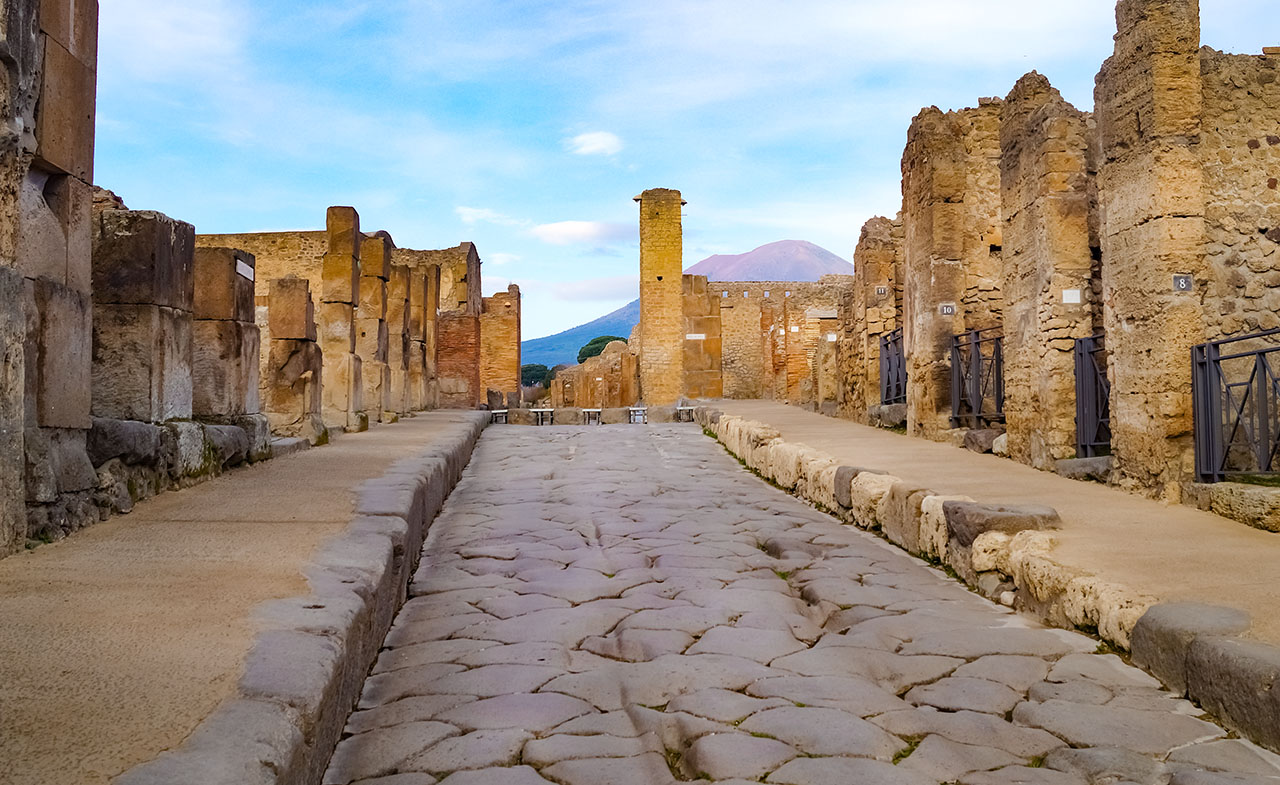
The city of Pompeii was exceptionally well-equipped with an advanced sewage system for its time. This system effectively carried waste and wastewater away from the living areas of the city, ensuring cleanliness and sanitation. The sewage system was an engineering marvel of its era, illustrating the Romans’ dedication to urban planning and hygiene. Constructed with a network of underground pipes and channels, the system prevented the accumulation of waste in the streets and reduced the risk of waterborne diseases. The streets of Pompeii had stone-paved roads with raised sidewalks, and the waste was directed into large, covered drains, showcasing the importance placed on public health and urban cleanliness.
.
Construction of Public Toilets
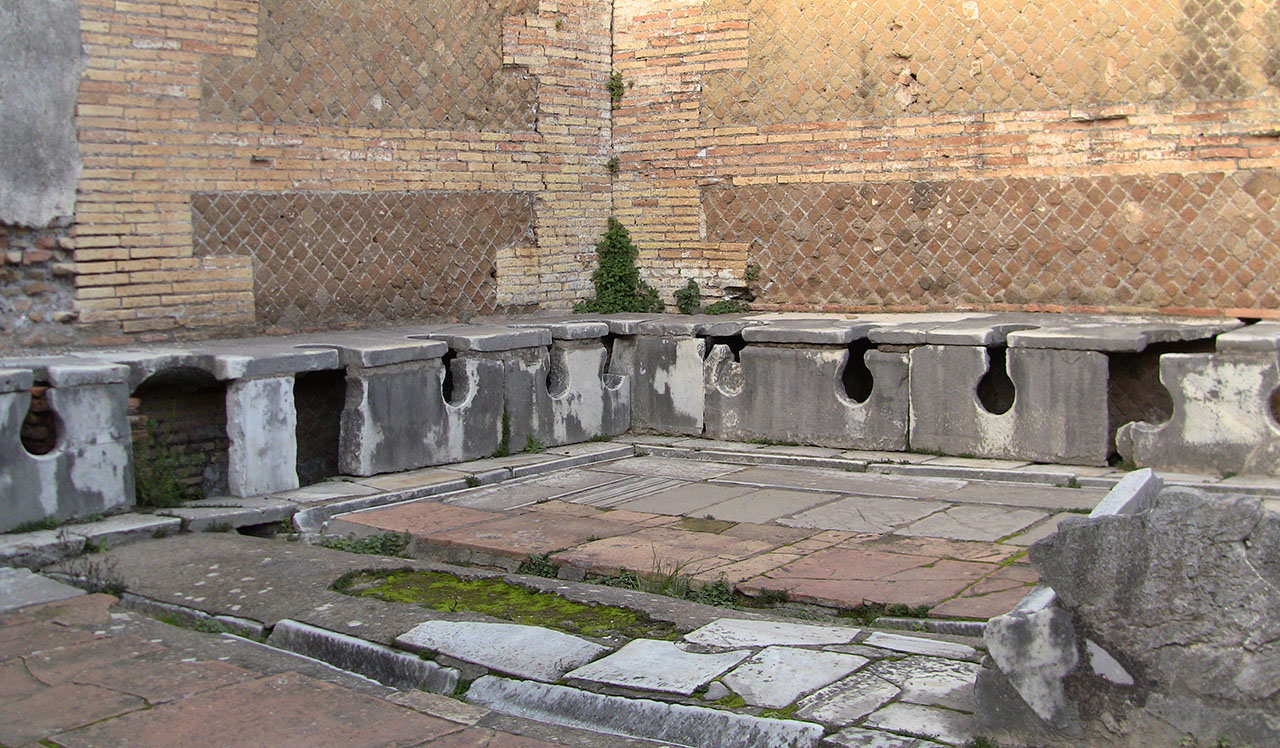
What sets Pompeii’s public toilets apart from more rudimentary facilities of the ancient world is their remarkable construction. These communal latrines featured stone or marble seats, arranged in rows or along the walls, creating a communal but orderly setting. The seats had circular openings and were often designed with a slight slope to allow waste to flow easily into the drainage system. Beneath the seats, a continuous flow of water helped to carry the waste away, ensuring that the facilities remained relatively clean and odor-free.
Residents and visitors alike could sit and attend to their needs with relative ease, a stark contrast to the primitive facilities found in some other ancient civilizations. The design of these toilets reflects the Roman emphasis on practicality and efficiency in public amenities.
.
.
Segregation of Genders in Pompeii Public Latrines
In many public latrines of Pompeii and ancient Rome, men and women typically used separate sections or facilities, ensuring a degree of gender segregation. The layouts of these communal latrines were designed to accommodate this division, often with distinct entrances for men and women. Privacy was maintained through physical separation, allowing both genders to attend to their needs comfortably. This segregation was not only practical but also reflected the social norms and customs of the time, ensuring that the use of public latrines was as dignified as possible.
.
Use of Sponges and Water in Pompeii Public Latrines
In the absence of toilet paper, ancient Romans and Pompeians utilized a sponge-on-a-stick, known as a “tersorium“, for personal hygiene after using the latrines. These sponges were communal items, though they were often rinsed in a stream of water to clean them between uses. The tersorium was stored in a channel of running water or in a container filled with saltwater or vinegar, which acted as a disinfectant.
After using the sponge, individuals would wash their hands at the provided facilities, which often included basins with running water. This practice of washing hands after using the toilet highlights the Roman awareness of hygiene and public health, which was advanced for its time.
.
Handwashing Facilities Public Latrines
Hygiene was a priority in Roman culture, and this extended to the latrines. Adjacent to or near the latrines, there were often facilities for washing hands, ensuring that users could maintain cleanliness. These handwashing stations typically featured basins or fountains with running water, supplied by the city’s sophisticated aqueduct system. The emphasis on handwashing and cleanliness in public latrines underscores the Romans’ understanding of the importance of hygiene and their commitment to public health.
The public toilets of Pompeii were not only functional but also social spaces where people could engage in conversation and interact with one another. The communal nature of these facilities reflects the social aspect of Roman daily life, where even routine activities were opportunities for socialization. The advanced design and maintenance of these public amenities highlight the Roman commitment to creating a comfortable and hygienic urban environment for all citizens.
.
Pompeii’s Urban Layout: Ingenious Grid Road System
Pompeii’s urban layout is a testament to ancient Roman urban planning and engineering. It’s a city renowned not only for its historical significance but also for its remarkably well-organized and efficient grid road system. This lesser-known aspect of Pompeii offers a fascinating glimpse into the urban design and infrastructure of the time, demonstrating the meticulous thought and precision that went into shaping the city’s streets.
.

.
The Grid Layout City Planning:
At the heart of Pompeii’s road system is its grid layout, comprising a network of straight, intersecting streets that form a matrix across the city. This grid system was characterized by regularity and geometric precision, a striking departure from the haphazard layouts that characterized many ancient cities. The grid incorporated both narrow and wide thoroughfares, designed to facilitate the movement of both pedestrian and vehicular traffic.
The grid layout of Pompeii is a prime example of Roman engineering prowess. The streets were laid out in a way that maximized space utilization and allowed for systematic urban development. The regularity of the grid made it easier to navigate the city, with clearly defined blocks that could be easily referenced and accessed. This systematic approach to urban planning was not only practical but also aesthetically pleasing, contributing to the city’s orderly appearance.
.
Efficient Traffic Flow of Pompeii Streets:
The grid layout of Pompeii was not only visually appealing but also highly functional. The uniformity of the streets, along with their clearly defined intersections and pathways, allowed for efficient traffic flow. The streets were designed to facilitate the movement of goods, people, and services. This organization was critical to the functioning of a thriving urban center, reflecting the advanced understanding of urban planning and design during the Roman period.
The streets of Pompeii were paved with large stones, creating durable and stable roadways that could withstand heavy use. Raised sidewalks flanked the roads, providing safe pathways for pedestrians and separating them from the vehicular traffic. This design minimized congestion and ensured that different types of traffic could move smoothly and efficiently throughout the city.
In addition, Pompeii’s streets were equipped with stepping stones at regular intervals. These stones allowed pedestrians to cross the streets without stepping into the muck and debris that often accumulated on the roadways. The spacing of the stepping stones was carefully planned to accommodate the wheels of carts and chariots, further illustrating the attention to detail in Pompeii’s urban design.
.
Pompeii Street Names:
Each street in Pompeii had its own name, another feature that distinguished it from many ancient cities. These names often reflected the functions of the streets, their locations, or notable landmarks nearby. Naming the streets made navigation easier and contributed to the city’s sense of identity and community.
For example, the famous “Via dell’Abbondanza” (Street of Abundance) was one of the city’s primary thoroughfares. This street was indicative of its significance in the daily life of the city, bustling with shops, markets, and public buildings. The name “Via dell’Abbondanza” likely reflected the prosperity and abundance that characterized this central area of Pompeii.
Similarly, “Via Stabiana” referred to its proximity to the nearby town of Stabiae. This street served as a major route connecting Pompeii with other important locations, facilitating trade and travel. The names of other streets, such as “Via di Nola” and “Via di Mercurio“, also highlight the practical and symbolic roles these roads played in the urban fabric of Pompeii.
.
.
ALSO READ: AVENTINE HILL – A Must-See Hidden Gem in Rome
.
.
.
Integration with Public Spaces and Buildings
The grid layout of Pompeii was seamlessly integrated with the city’s public spaces and buildings. Major streets often led to important landmarks such as the Forum, amphitheater, and public baths. This thoughtful integration ensured that residents and visitors could easily access key locations within the city.
The Forum, located at the intersection of several major streets, was the political, economic, and social heart of Pompeii. It was surrounded by important public buildings, temples, and marketplaces, making it a central hub of activity. The efficient road system allowed for the smooth flow of traffic to and from the Forum, facilitating commerce and communication.
.
The Role of Insulae
The grid layout also influenced the organization of residential areas, known as insulae. These city blocks were filled with homes, shops, and workshops, creating vibrant neighborhoods within the larger urban grid. The regularity of the insulae made it easier to provide infrastructure and services, such as water supply and sewage, to all parts of the city.
The insulae varied in size and function, reflecting the diverse social and economic landscape of Pompeii. Wealthier residents lived in larger, more elaborate houses, while smaller dwellings and apartments housed the city’s lower and middle classes. This diversity within the insulae contributed to the dynamic and multifaceted character of Pompeii.Pompeii’s secrets are like fragments of a mosaic, and each piece enriches the visitor’s understanding of this extraordinary city.
As you explore this archaeological marvel, take the time to seek out and appreciate these hidden gems, for they hold the keys to the enigmatic charms of Pompeii, unlocking the mysteries of history, culture, and daily life in this ancient Roman city.
.
* Find RomeCabs online also on:
- RomeCabs FACEBOOK
- RomeCabs PINTEREST
- RomeCabs TWITTER
- RomeCabs TUMBLR
- RomeCabs INSTAGRAM
- RomeCabs FLICKR Photo Gallery
- Recommended RomeCabs on Cruise Critic
.

.
 RomeCabs Blog Italy - Italy Private Excursions, Rome Tours, Civitavecchia Transfers
Leave a Reply