
Buongiorno and welcome to RomeCabs Italy Travel Blog! When exploring Rome either on a longer stay or on a Rome shore excursion from Civitavecchia, chances are you will stop in Piazza del Colosseo (Colosseum Square). Although the Colosseum steals the spotlight, there’s no denying the magnificent triumphal arch nearby that commemorated a battle between two emperors that changed the world: The Arch of Constantine and the Battle of Emperors on the Milvian Bridge.
.

The Battle of the Milvian Bridge stands as a pivotal moment in Roman history, showcasing not only the clash of two Emperors, but also the convergence of political ambition, religious symbolism, strategic maneuvering, and consequences that changed the world.
To delve into the significance of this battle, we must first understand the context that led to the confrontation between the Roman Emperors Constantine I and Maxentius on October 28, 312 AD.
.
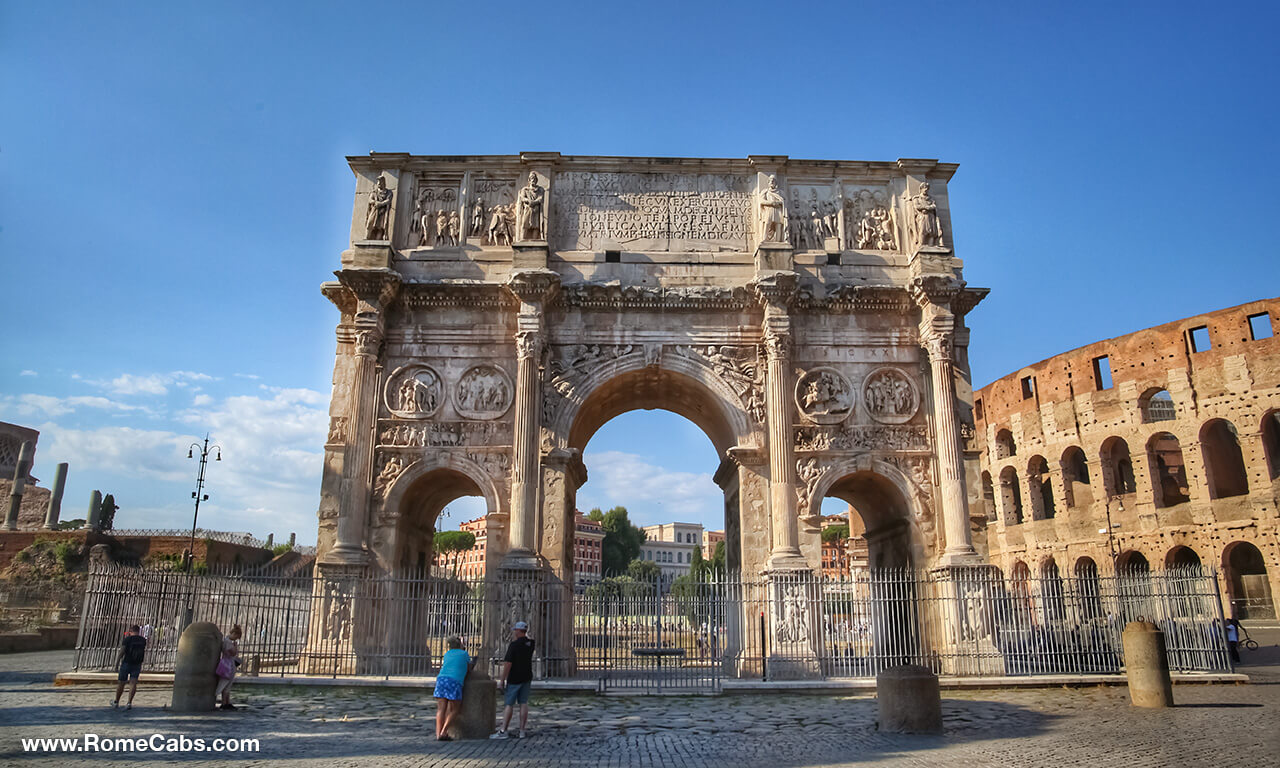
Why was the Arch of Constantine built?
The Arch of Constantine, an iconic monument in Rome, was constructed between 312 and 315 AD to commemorate the victory of Emperor Constantine I at the Battle of the Milvian Bridge. This triumph marked a crucial turning point in Roman history, as Constantine’s defeat of Maxentius solidified his position as the sole ruler of the Roman Empire – which we will cover in this blog further down.
.
.
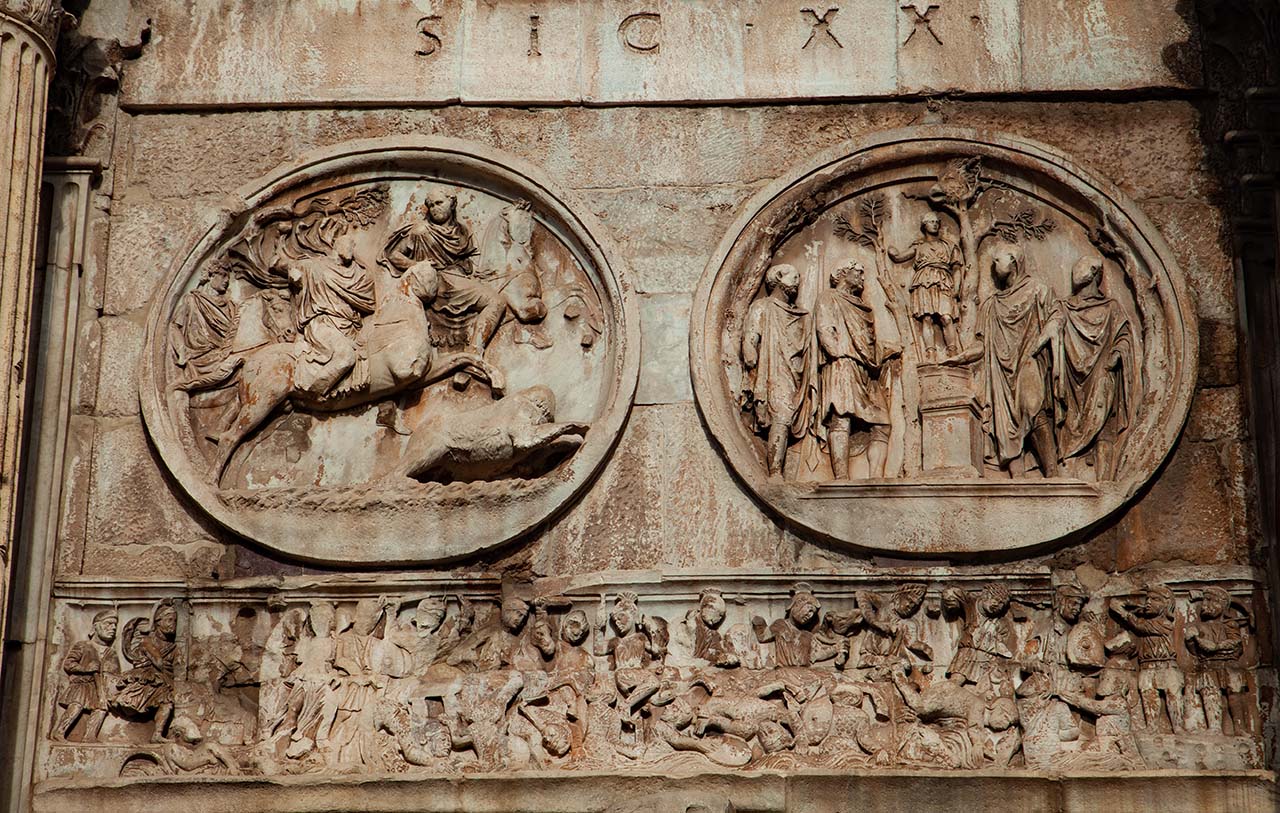
Architecturally, the arch reflects a blend of styles, incorporating elements from earlier imperial monuments such as the Arch of Septimius Severus and the Arch of Trajan. Its intricate reliefs and sculptures depict scenes from the battle, showcasing military prowess and imperial authority.
Notably, the arch also features Christian symbolism, reflecting Constantine’s embrace of Christianity and signaling a shift in the empire’s religious landscape. Overall, the Arch of Constantine serves as a testament to the political triumph of one emperor over another, architectural innovation, and the evolving cultural and religious dynamics of ancient Rome.
Before we delve into the complex history of ancient Rome’s two emperors, let’s learn more about each one:
.
Who was Emperor Constantine the Great?
.
Constantine I (c. 272 – 337), also known as Constantine the Great, was a Roman emperor who reigned from AD 306 to 337. He is best known as the first Roman emperor to convert to Christianity, playing a crucial role in the religion’s rise within the Roman Empire.
Constantine’s conversion marked a significant shift, decriminalizing Christian worship and ending the persecution of Christians. This period is known as the Constantinian shift. He introduced Constantinianism, promoting the unity of church and state and opposing their separation. Additionally, Constantine founded the city of Constantinople (modern-day Istanbul), establishing it as the new capital of the Roman Empire, which remained its center for over a millennium.
Born in Naissus, Dacia Mediterranea (now Niš, Serbia), Constantine was the son of Flavius Constantius, a Roman officer, and Helena, later canonized as a saint. He distinguished himself under emperors Diocletian and Galerius. After his father’s death in 306, he was proclaimed emperor by his troops in York, England. Constantine eventually unified the Roman Empire by defeating his rivals Maxentius and Licinius.
.
Who was Emperor Marcus Aurelius Valerius Maxentius?
.
Maxentius (c. 283 – 28 October 312) was a Roman emperor from 306 until his death in 312. Although he ruled over Italy and North Africa and was recognized by the Senate in Rome, his legitimacy as emperor was not acknowledged by other Roman emperors.
Maxentius was the son of former Emperor Maximian and the son-in-law of Emperor Galerius. His reign was marked by civil war, during which he allied with Maximinus against Licinius and Constantine. His rule ended at the Battle of the Milvian Bridge in 312, where he was defeated by Constantine and drowned in the Tiber River during the retreat.
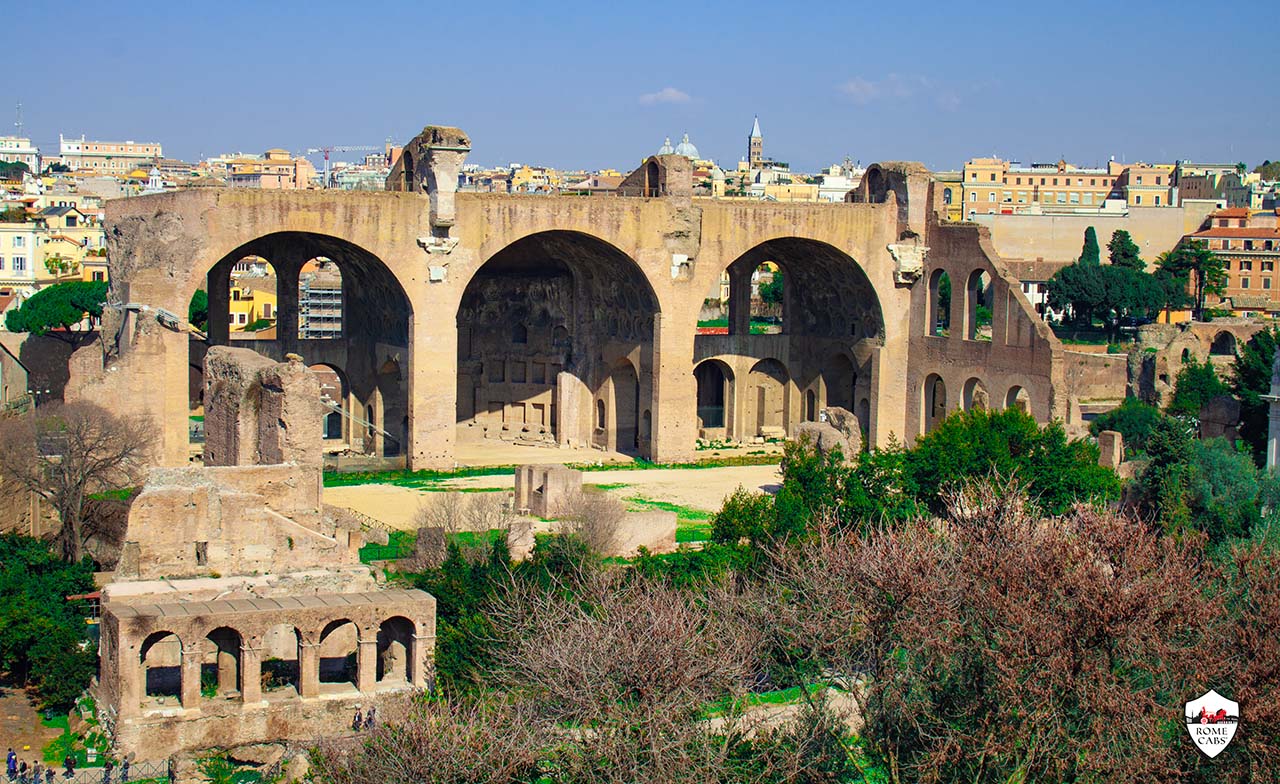
Maxentius was the last emperor to reside permanently in Rome. He is known for his efforts to restore and beautify the city, commissioning significant building projects such as the Temple of the Divine Romulus, the Basilica of Maxentius, and the Villa and Circus of Maxentius.
.
.
Born to Emperor Maximian and Eutropia, Maxentius was expected to follow in his father’s footsteps. However, he was overlooked in the imperial succession by Diocletian and Galerius.
In 306, when Constantine was crowned emperor after his father’s death, Maxentius saw an opportunity. He was proclaimed emperor by his troops in Rome, largely without bloodshed, and gained control over central and southern Italy, Corsica, Sardinia, Sicily, and the African provinces.
Initially, Maxentius hoped for recognition from the senior emperor Galerius but was denied. In response, he solidified his rule by defeating Severus, who had marched on Rome with Galerius’s support. Maxentius’s father, Maximian, eventually joined him, helping to repel further attacks from Galerius.
Maxentius sought alliances, marrying his daughter to Constantine and attempting to mend relations with him. However, in 308, Maximian unsuccessfully tried to depose Maxentius, leading to further conflicts. By 311, after the death of Galerius, the Tetrarchic system began to crumble, and Maxentius faced challenges from Constantine and Licinius.
In 312, Constantine launched a campaign against Maxentius. Despite fortifying northern Italy and securing grain supplies from Africa, Maxentius’s support waned. And this marked the beginning of the conflict that led to the Battle of Milvian Bridge.
.
Recapping the History of 2 Emperors – Constantine and Maxentius
..
.
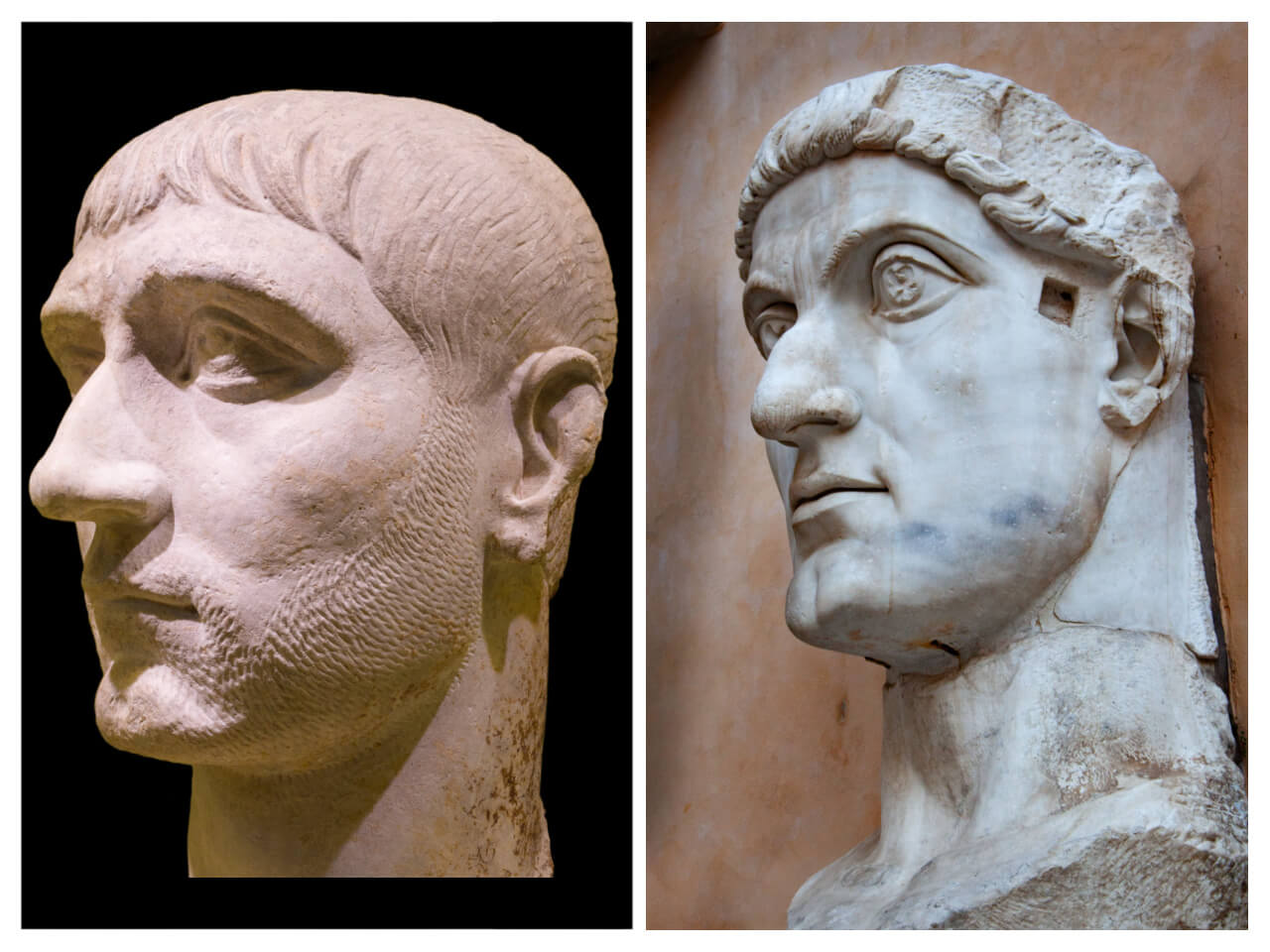
So now we know that the roots of this conflict of more than one Roman Emperor trace back to the intricate political structure of the Roman Empire known as the Tetrarchy.
Established by Emperor Diocletian, the Tetrarchy divided power among four rulers to streamline governance and prevent internal strife. Afterall, the empire grew too big to be ruled by just one man. However, the system faced challenges upon Diocletian’s abdication in 305 AD, as competing ambitions and rivalries emerged among his successors.
Constantine, the son of the Western Emperor Constantius, and Maxentius, the son of Constantine’s co-emperor Maximian, found themselves at odds over claims to imperial authority. The Tetrarchy’s framework did not guarantee hereditary succession, leading to disputes over legitimacy and power.
Constantine’s ascension to the rank of Augustus – chief emperor – in Eboracum (York) after Constantius’ death in 306 AD clashed with Maxentius’ self-proclamation as emperor in Rome on October 28, 306 AD. This marked the beginning of a tumultuous period marked by shifting alliances and political maneuvering.
.
Divine Premonitions and Prophecies
.
The Battle of the Milvian Bridge is also marked by divine premonitions and prophecies, which added a mystical element to the events leading up to the conflict.
.
Constantine’s Divine Vision
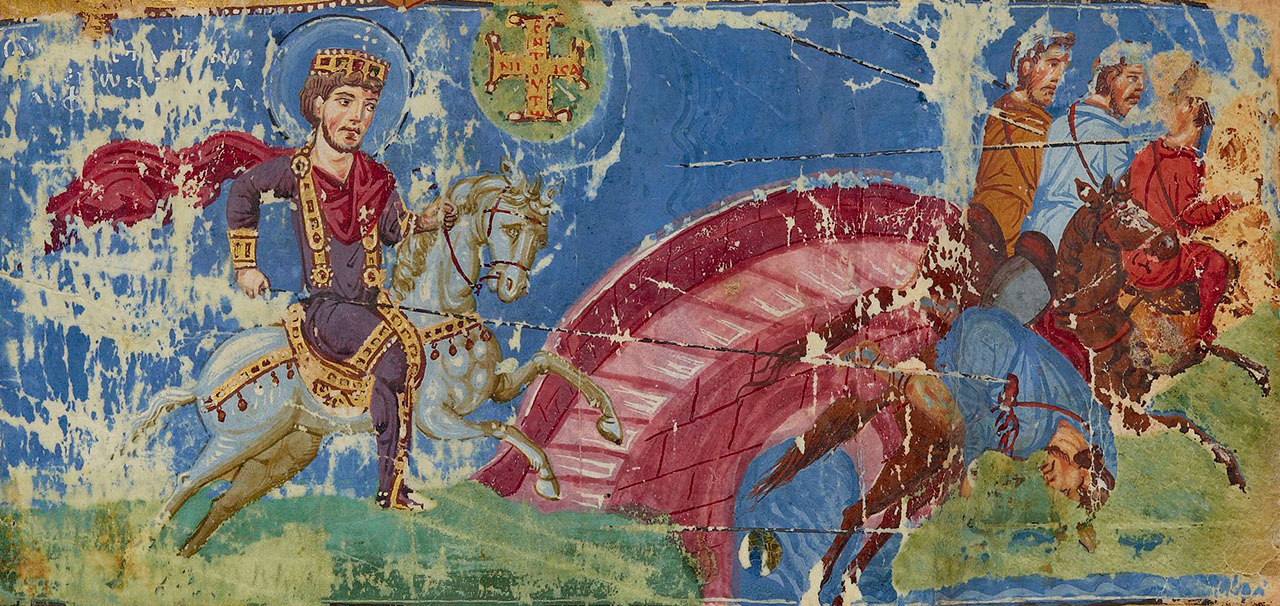
On the evening of October 27, 312 AD, Roman Emperor Constantine experienced a divine vision that would shape the course of history. According to Christian chroniclers like Lactantius and Eusebius, Constantine saw a luminous cross in the sky with the Greek words “Ἐν Τούτῳ Νίκα” (En toutōi níka), meaning “in this sign, you shall conquer” or “through this sign [you shall] conquer.”
This vision, often associated with the Chi-Rho symbol, instilled a sense of divine protection and purpose among Constantine’s forces as they prepared for battle.
.
.
It’s possible that what Constantine interpreted as a cross could have been an optical phenomenon known as a sun dog. Sun dogs, also called parhelia, are bright spots that sometimes appear on either side of the sun, often accompanied by a halo. These atmospheric occurrences can create shapes that may resemble crosses or other symbols, especially when viewed in certain conditions or with a particular mindset.
However, the exact nature of Constantine’s vision remains a subject of debate among historians and scholars, as interpretations can vary based on historical accounts and individual perspectives.
.
Maxentius’ Prophecy from the Sibylline Books
On the sixth anniversary of his reign, October 28, 312 AD, Roman Emperor Maxentius sought guidance from the keepers of the Sibylline Books. These ancient texts contained prophecies and oracles consulted by Roman leaders in times of uncertainty.
The keepers prophesied that on that very day, “the enemy of the Romans” would perish. Encouraged by this prophecy, Maxentius advanced north to meet Constantine in battle. He strongly and wrongly believed that fate was on his side and that his victory was assured. He took this belief to confront Constantine at Milvian Bridge.
.
.
The Battle of Milvian Bridge
Maxentius’ unexpected choice to engage Constantine in open battle instead of enduring a siege within Rome caught many by surprise. This decision is attributed to the auspicious omens received by Maxentius, as well as the battle date coinciding with Maxentius’ accession anniversary.
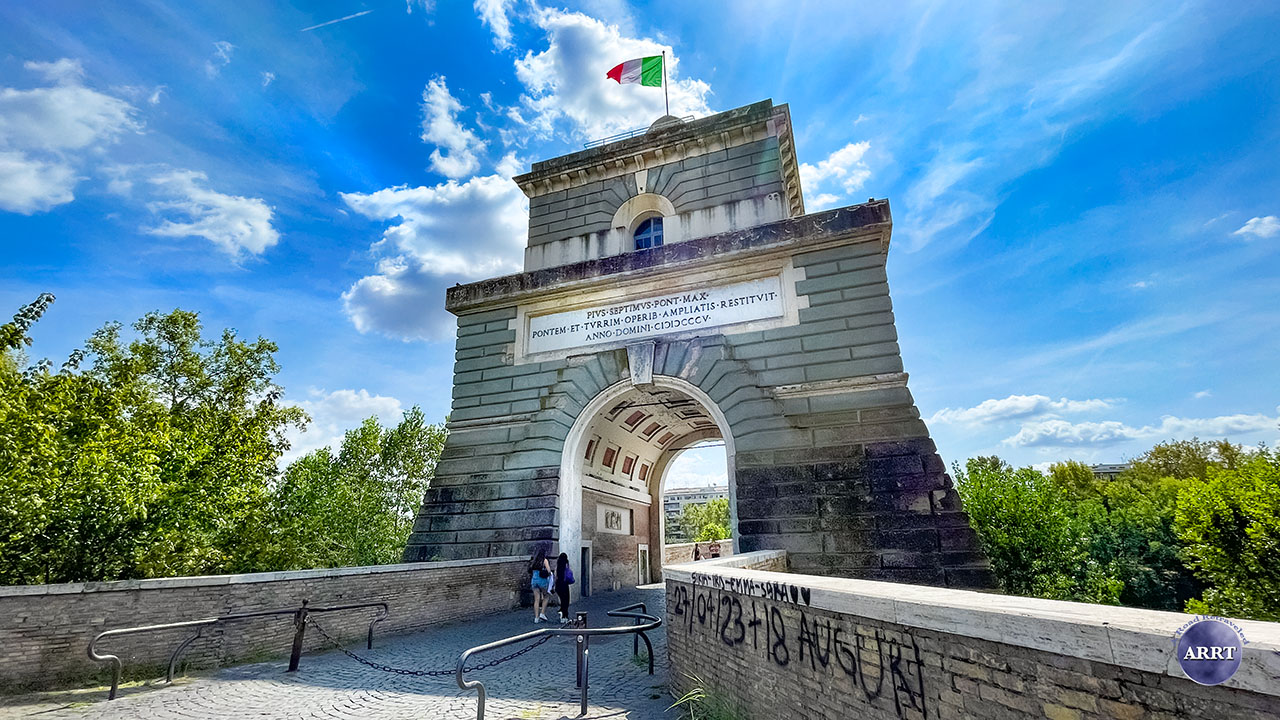
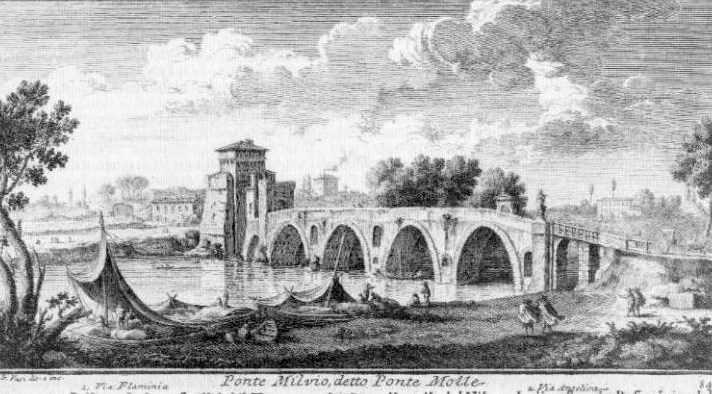
The Milvian Bridge, a vital passageway to Rome, served as the battleground for the looming confrontation between the rival emperors.
.
.
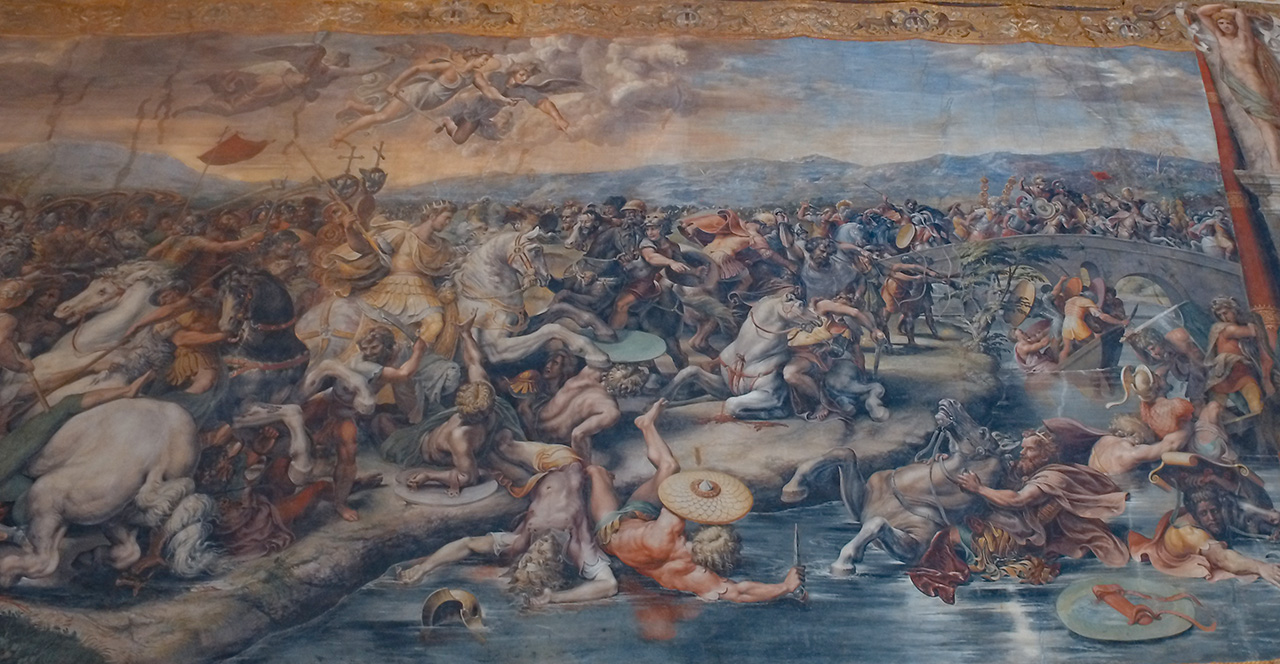
The battle unfolded on October 28, 312 AD, with both armies facing off near the Milvian Bridge. Constantine’s strategic acumen and skilled military tactics proved decisive as his forces secured a resounding victory over Maxentius.
Flawed troop dispositions and the collapse of a temporary bridge during the retreat sealed Maxentius’ fate. He tragically fell into the Tiber River and drowned amidst the chaos of the battle.
.
.
Constantine’s triumph marked a significant turning point in Roman history, solidifying his control over the western half of the empire.
Maxentius’ body was retrieved from the Tiber, his head paraded through the streets as a symbol of defeat. Ultimately, his supporters were neutralized as Constantine implemented damnatio memoriae against him.
.
.
The aftermath of the Battle at Milvian Bridge
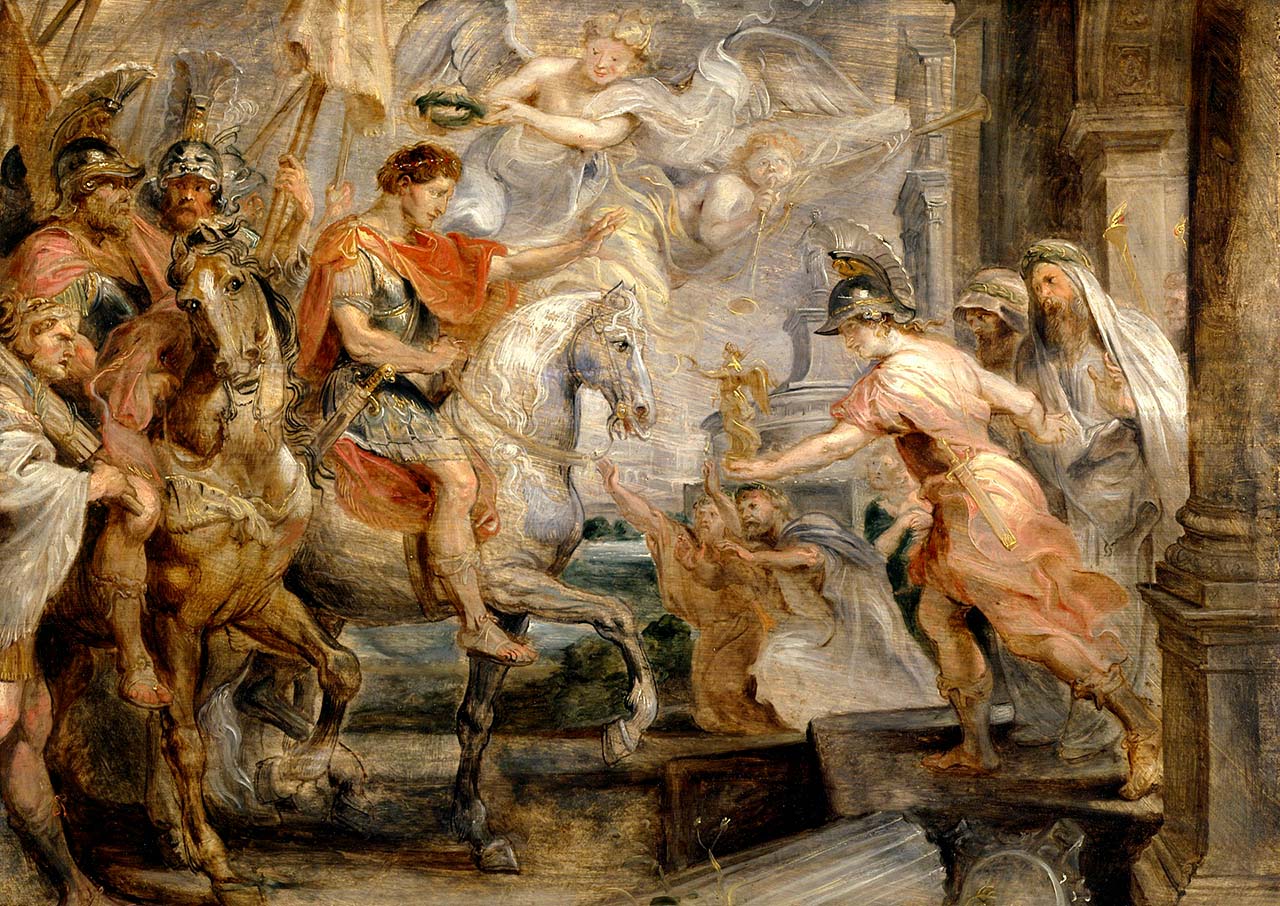
The aftermath of the Battle of the Milvian Bridge saw Constantine consolidating his authority and implementing reforms to stabilize his rule. His entry into Rome on October 29, 312 AD, was met with popular jubilation, signaling a shift in power and the end of Maxentius’ reign.
.
.
He honored the Senatorial Curia, promised reconciliation, and disbanded Maxentius’ Praetorian Guard and Imperial Horse Guard. His strategic use of Christian symbols, such as the Chi-Rho, further reinforced his legitimacy and garnered Christian support within the empire.
The battle’s impact reverberated beyond the military sphere, shaping religious dynamics and political structures within the Roman Empire. Constantine’s eventual conversion to Christianity, influenced by his pre-battle vision, marked a profound shift in the empire’s religious landscape when Christianity was legalized.
The Battle of the Milvian Bridge, with its military prowess, divine intervention, and political intrigue, remains a testament to the complexities of power and belief in ancient Rome. And of course, immortalized in the Arch of Constantine.
.
Emperor Constantine after the Battle of Milvian Bridge
The Battle of Milvian Bridge in 312 AD was a turning point not only for Constantine but for the entire Roman Empire. Emerging victorious, Constantine became the sole ruler of the Western Roman Empire. His victory was attributed to a divine vision he reportedly had the night before the battle, where he saw a cross of light in the sky and heard the words, “In this sign, you will conquer”. This experience profoundly influenced his subsequent policies and the trajectory of the empire.
.
Reforms and Strengthening the Empire
Constantine enacted numerous reforms aimed at fortifying and stabilizing the empire. One of his most significant economic reforms was the introduction of the solidus, a new gold coin that became the standard currency of the empire for centuries. The solidus helped stabilize the economy by providing a reliable and durable medium of exchange, which was crucial in a time of rampant inflation and economic instability.
In addition to economic reforms, Constantine restructured the Roman army and government. He divided the military into separate field units and border troops, enhancing the empire’s defense capabilities and flexibility. The government was also reorganized to improve efficiency and responsiveness. By creating a more centralized and bureaucratic administration, Constantine laid the groundwork for a more resilient state apparatus.
.
Religious Reforms and the Rise of Christianity
In 313 AD, Constantine issued the Edict of Milan, which proclaimed religious tolerance throughout the empire, particularly for Christians. This was a landmark moment in the history of Christianity, ending years of persecution and allowing the faith to flourish openly. Constantine’s support for Christianity went beyond mere tolerance; he actively promoted the religion and its institutions.
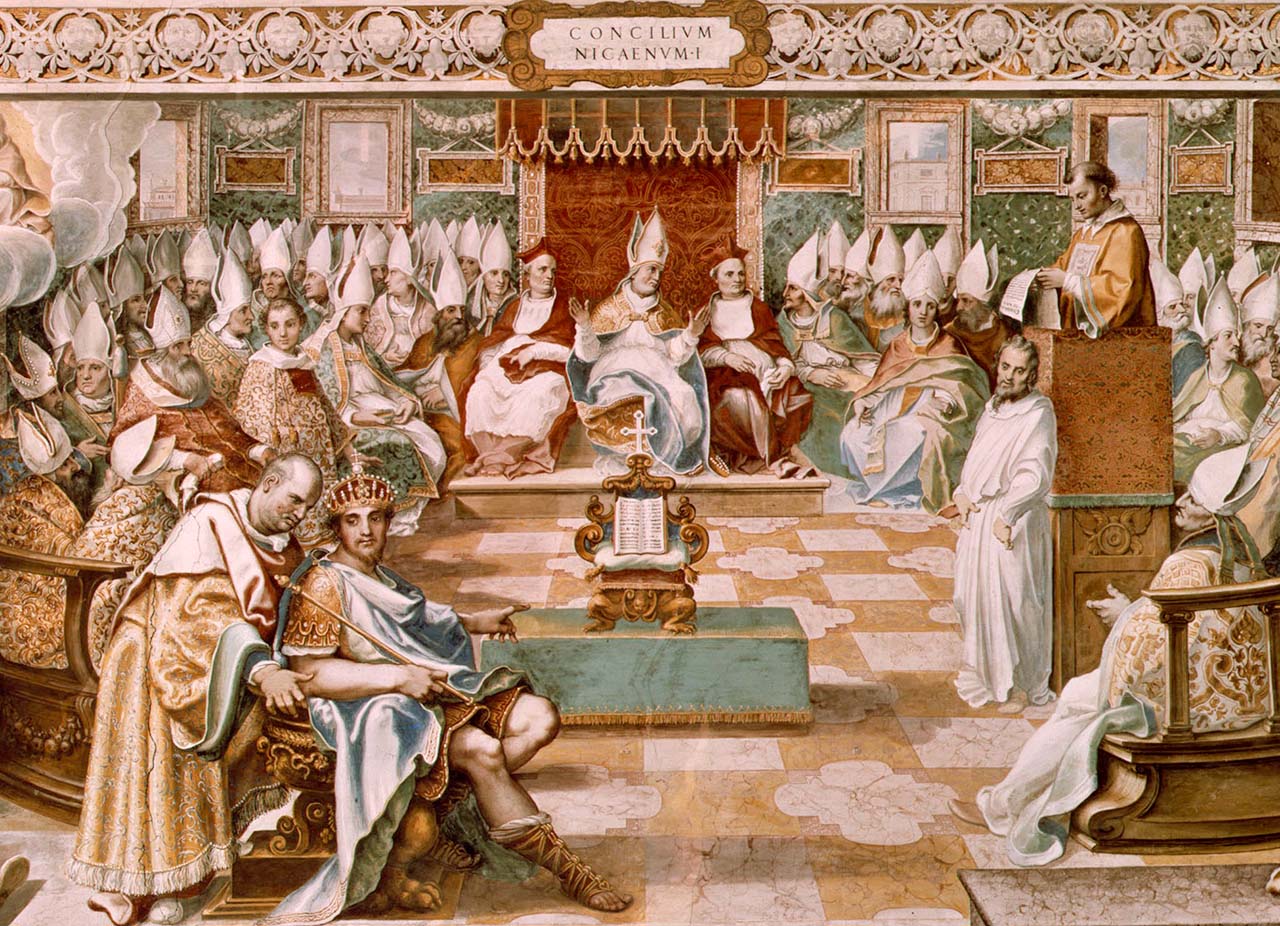
One of his notable religious contributions was convening the First Council of Nicaea in 325 AD. The council addressed significant theological disputes within Christianity and resulted in the Nicene Creed, a foundational statement of Christian belief that remains influential to this day. This council was pivotal in unifying Christian doctrine and establishing a cohesive ecclesiastical structure.
Constantine also commissioned the construction of several significant Christian buildings, including the Church of the Holy Sepulchre in Jerusalem. This church, believed to be the site of Jesus’s crucifixion and resurrection, became one of the holiest places in Christianity and a major pilgrimage destination.
.
.
.
Legacy and Influence of Emperor Constantine
Constantine’s influence extended beyond his reign, shaping the future of both the Roman Empire and Christianity. In Eastern Christianity, he is venerated as a saint and equal-to-the-apostles, reflecting the profound impact of his reign on the religious landscape. While he favored Christianity, scholars debate the depth of his personal beliefs and understanding of the religion. Some argue that his support was primarily political, aimed at unifying the empire under a single faith, while others believe he genuinely embraced Christian doctrine.
Regardless of the nature of his faith, Constantine’s legacy is indisputable. His reforms and policies transformed the Roman Empire, setting the stage for its evolution into the Byzantine Empire. His support for Christianity facilitated its spread and establishment as the dominant religion of Europe. Constantine’s reign marked a pivotal era in history, bridging the ancient pagan world and the Christian Middle Ages.
.
Explore more of Rome with Rome Cabs!
Unveiling Rome’s Secrets: 7 Hidden Gems You Must See
3 Common Mistakes that Ruin Your Summer Trip to Rome – by Rome Cabs
Your Roman Holiday: How to Make Your Rome Visit Extraordinary
AVENTINE HILL – A Must-See Hidden Gem in Rome
Summer in Rome Travel Trips from Rome Cabs
.
.
* Find us online also on:
- RomeCabs FACEBOOK
- RomeCabs PINTEREST
- RomeCabs TWITTER
- RomeCabs INSTAGRAM
- RomeCabs FLICKR Photo Gallery
- Recommended on Cruise Critic

 RomeCabs Blog Italy - Italy Private Excursions, Rome Tours, Civitavecchia Transfers
Leave a Reply