
Buongiorno and welcome to the RomeCabs Travel blog! The Ancient Roman tradition of public bathing in Rome, known as “thermae,” held deep cultural and social significance, extending far beyond mere hygiene. Public baths were central to the social fabric of Roman society, providing a unique space for interaction among people from different social strata. The Baths of Caracalla, one of the largest and most impressive bath complexes, epitomized this tradition, offering a multitude of facilities that catered to various aspects of Roman daily life.
.
Thermae were considered Social Hubs in Ancient Rome
.
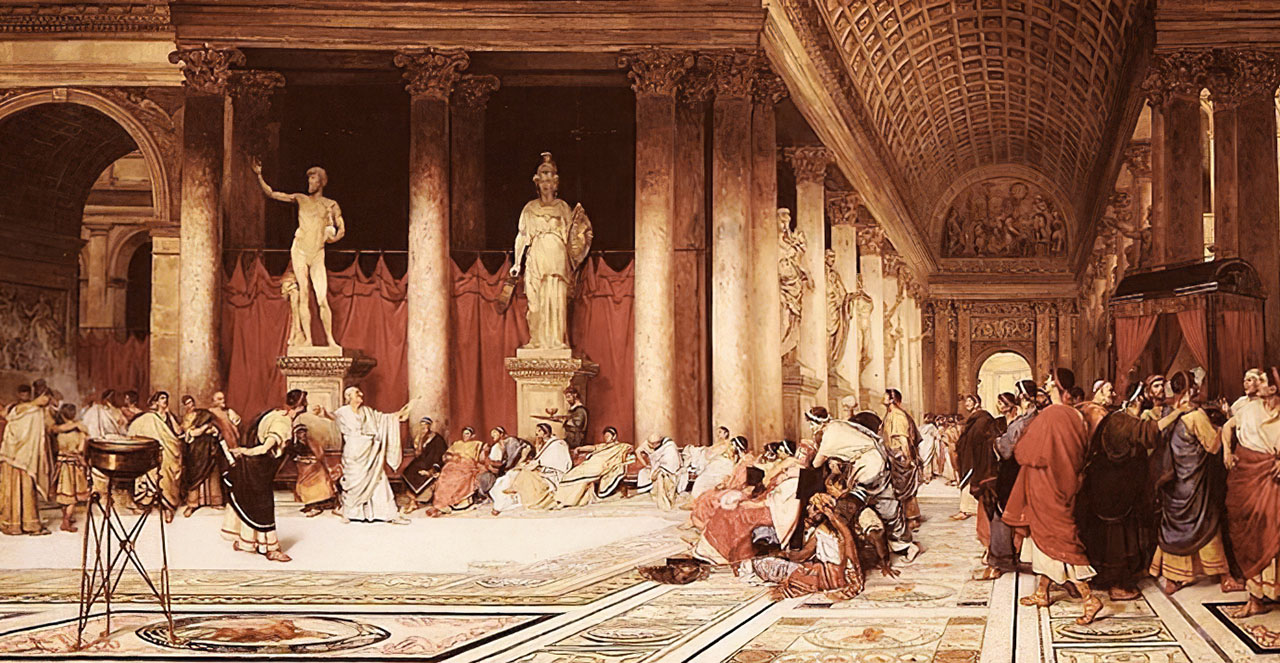
Ancient Roman tradition of public bathing in Rome was integral to the social fabric of Roman society, functioning as more than just facilities for personal hygiene. They were bustling social hubs where citizens from various walks of life gathered to relax, interact, and enjoy leisure activities. The thermae played a significant role in fostering a sense of community and belonging among the Roman populace, serving as venues where socialization, business transactions, and political discussions took place.
Romans viewed the baths as essential to their daily routines, spending hours in these grand complexes. The communal nature of the baths allowed people to connect and build relationships, contributing to the cohesion of society. These interactions were not limited to any single class; rather, the thermae were open to all citizens, from slaves to aristocrats, creating a unique space where social barriers were often blurred.
Within the thermae, people engaged in various activities. Conversations ranged from casual chitchat to serious business negotiations. Politicians and philosophers used the baths as informal venues for debates and lectures, turning these spaces into vibrant centers of intellectual activity. The baths provided an environment where individuals could discuss current events, share news, and exchange ideas, thus playing a crucial role in the dissemination of information and culture.
.
.
.
Multifunctional Complexes of the Roman Thermae
.
Ancient Roman tradition of public bathing in Rome was complex. For example, the Baths of Caracalla, one of the most famous bath complexes in Rome, were designed as multifunctional centers that offered a range of facilities beyond the basic bathing areas.
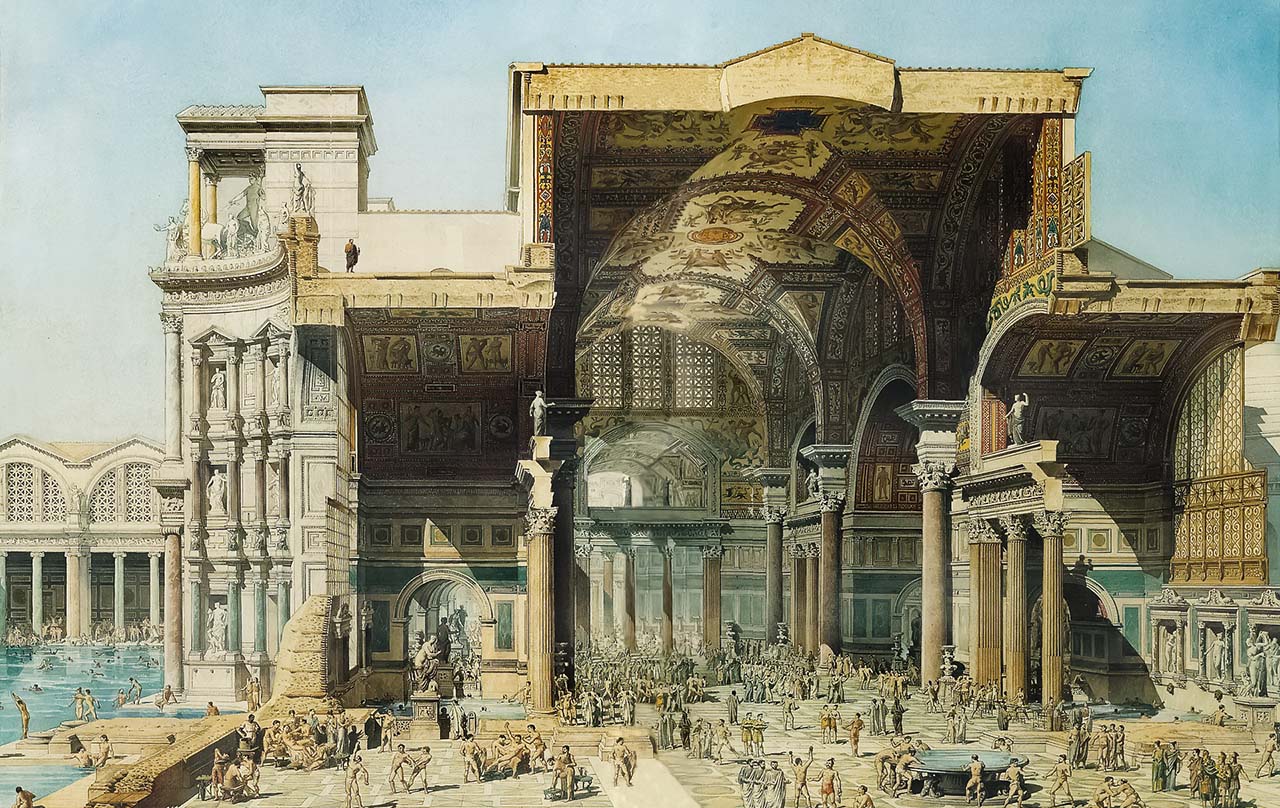
Visitors could engage in physical exercises in the gymnasiums, relax in the gardens, or enjoy a swim in the natatio. The palaestrae were used for athletic competitions and training, while the libraries offered a quiet space for reading and intellectual pursuits. These various activities made the baths a lively and dynamic place, catering to a wide range of interests and preferences.
.
Libraries
The inclusion of libraries within the Baths of Caracalla underscores the Romans’ commitment to intellectual pursuits and education. The complex housed two large libraries: one for Greek literature and one for Latin literature. These spaces were designed for quiet reading and study, offering visitors a serene environment where they could engage in intellectual activities. The libraries provided access to a vast collection of texts, encouraging learning and the exchange of knowledge. Scholars, students, and casual readers alike could immerse themselves in literature, philosophy, and science, reflecting the Romans’ appreciation for knowledge and cultural enrichment.
.
Gymnasiums
Ancient Roman Tradition of Public Bathing in Rome evolved also around fitness. Physical fitness was highly esteemed in Roman culture, and the gymnasiums, or palaestrae, within the Baths of Caracalla played a crucial role in promoting physical well-being.
These open-air courtyards were bustling with activity, as visitors engaged in various physical exercises such as wrestling, boxing, and gymnastics. The gymnasiums were designed to accommodate both casual exercise and more structured athletic competitions. The emphasis on physical fitness extended beyond mere exercise; it was seen as a vital aspect of maintaining one’s health and preparing young men for military service. The gymnasiums also served as social spaces where people could meet, train together, and forge bonds through shared physical activity.
.

.
.
Gardens
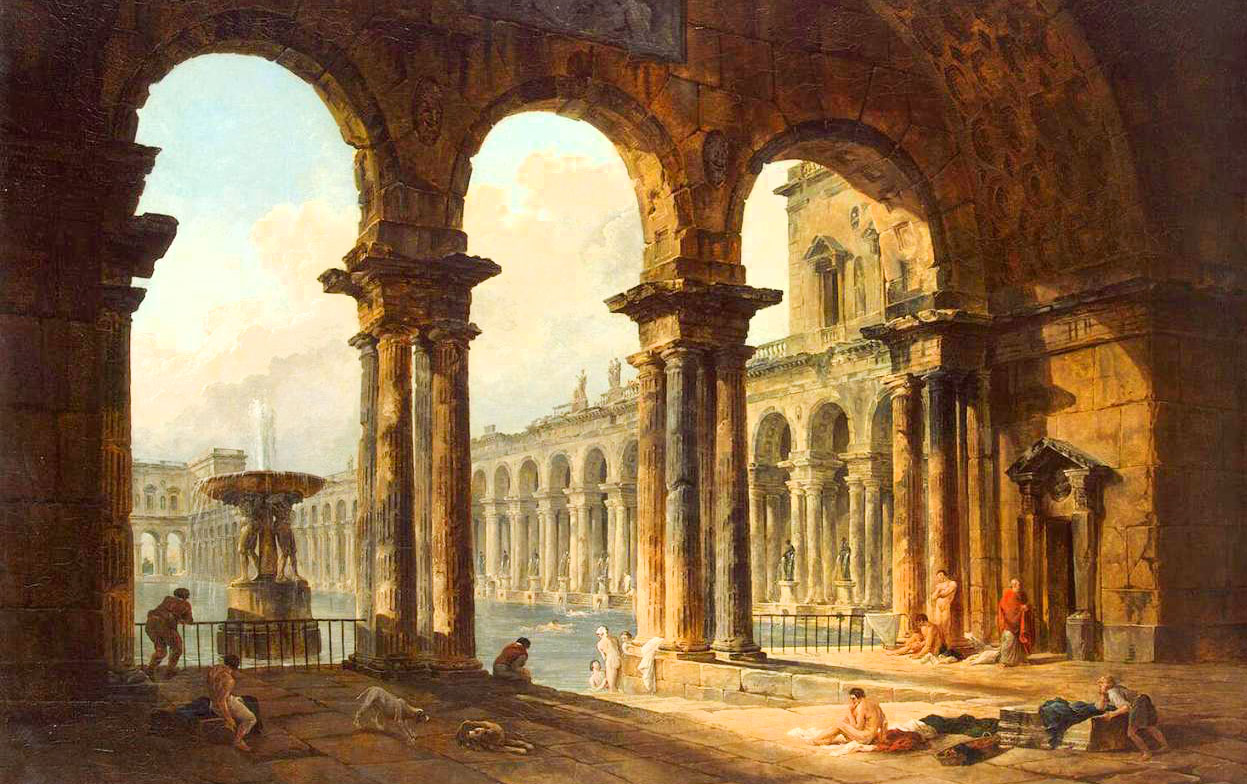
The Baths of Caracalla featured expansive gardens that offered a peaceful retreat from the hustle and bustle of urban life. These gardens were meticulously landscaped and adorned with sculptures, fountains, and lush greenery, creating a serene environment that contrasted sharply with the surrounding cityscape. Visitors could stroll through the gardens, enjoying the beauty of nature and the tranquility it provided. The gardens were designed to promote relaxation and contemplation, offering a space where bathers could unwind and rejuvenate their minds and bodies. The presence of these gardens within the bath complex highlights the Romans’ appreciation for nature and their desire to incorporate natural beauty into their daily lives.
.
Shops
Ancient Roman tradition of public bathing in Rome included also amenities – much like a complex of everything you need in one stop. The Baths of Caracalla were not only places for bathing and exercise but also vibrant commercial centers that catered to the needs of bathers. A variety of shops within the complex sold goods and services, making the baths a convenient one-stop destination for visitors. These shops included food vendors, who provided snacks and refreshments; barbers, who offered grooming services; and merchants, who sold oils, perfumes, and other items used in bathing rituals. The presence of these shops added to the overall experience of visiting the baths, ensuring that bathers had access to everything they needed for a relaxing and enjoyable visit. The commercial activity within the baths also contributed to the local economy, providing opportunities for trade and business.
.
.
.
Innovative Engineering of Ancient Roman Thermae
.
Ancient Roman tradition of public bathing in Rome was made possible due to innovative engineering. The Baths of Caracalla stand as a testament to the ingenuity and engineering prowess of the ancient Romans. These baths were a marvel of technological innovation, particularly in their sophisticated heating and water supply systems, which ensured that visitors enjoyed a comfortable and hygienic bathing experience. The technological advancements employed in the construction and operation of the Baths of Caracalla not only highlight Roman engineering skills but also their commitment to public health and comfort.
.
The Hypocaust System
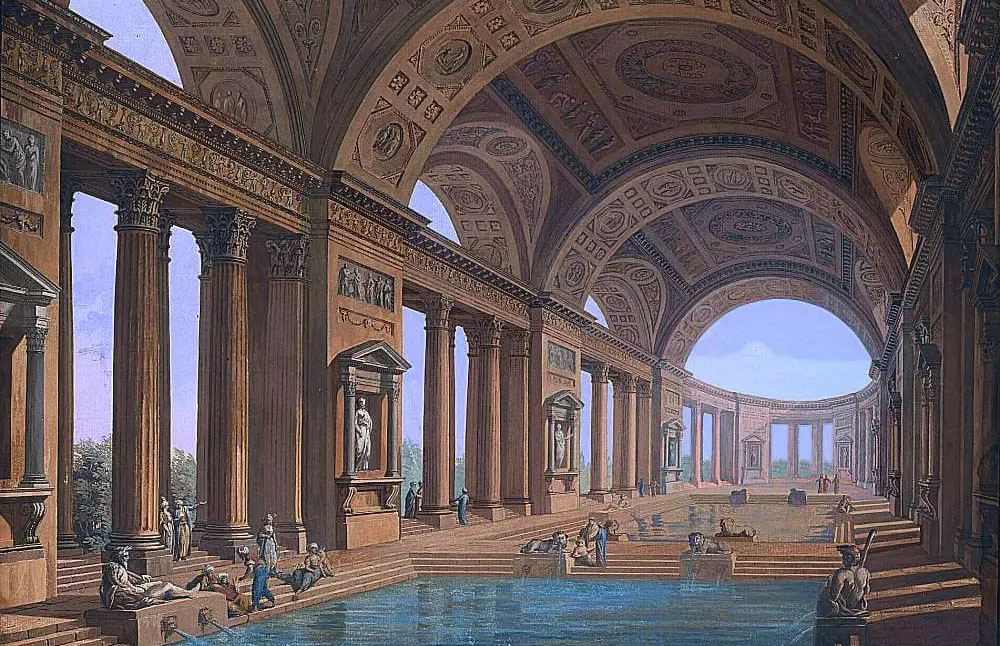
One of the most remarkable features of the Baths of Caracalla was the hypocaust system, an advanced method of heating that allowed for the efficient warming of various rooms within the complex. The hypocaust system consisted of a network of underground chambers and flues through which hot air, generated by furnaces, was circulated. This hot air passed beneath the floors and through the walls of the caldarium (hot bath), tepidarium (warm bath), and other heated rooms, ensuring a consistent and controllable temperature.
The floors of these heated rooms were raised on pillars, creating a space beneath them through which the hot air could flow. This design allowed the floors to be warmed evenly, providing a comfortable surface for bathers. Additionally, the walls were constructed with hollow bricks that facilitated the vertical movement of hot air, ensuring that the entire room was heated uniformly. The hypocaust system was a remarkable feat of engineering that provided bathers with a luxurious experience, akin to modern-day underfloor heating.
.
.
.
Water Supply and Management
The water supply system of the Baths of Caracalla was equally impressive, demonstrating the Romans’ advanced knowledge of hydraulics and water management. The baths were supplied with water by the Aqua Marcia, one of the longest and most reliable aqueducts in Rome. The Aqua Marcia transported fresh water from distant sources to the city, ensuring a continuous and ample supply for the baths.
The water entered the bath complex through a series of lead pipes and distribution channels, which directed it to various pools and fountains. The complex included large cisterns and reservoirs that stored water and maintained the pressure necessary for distribution. The water was then channeled into the frigidarium (cold bath), tepidarium, and caldarium, as well as other areas of the baths, ensuring that bathers had access to water at different temperatures.
.
Heating the Water
Heating water for the baths required a combination of ingenuity and substantial fuel resources. Large furnaces, known as praefurnia, were used to heat the water and generate the hot air for the hypocaust system. These furnaces burned wood, which was a readily available fuel source in ancient Rome. The hot water was then circulated through the complex using a system of pipes and channels, ensuring that the caldarium and other hot baths were maintained at the desired temperature.
.
Continuous Water Circulation
The water in the baths was continuously circulated and replenished to prevent stagnation and the spread of disease. Dirty water was drained away through an extensive network of sewers and replaced with fresh water from the aqueduct. This system of continuous circulation ensured that bathers always had access to clean and hygienic water, which was essential for maintaining public health in a densely populated city like Rome.
.
Aqueduct Engineering
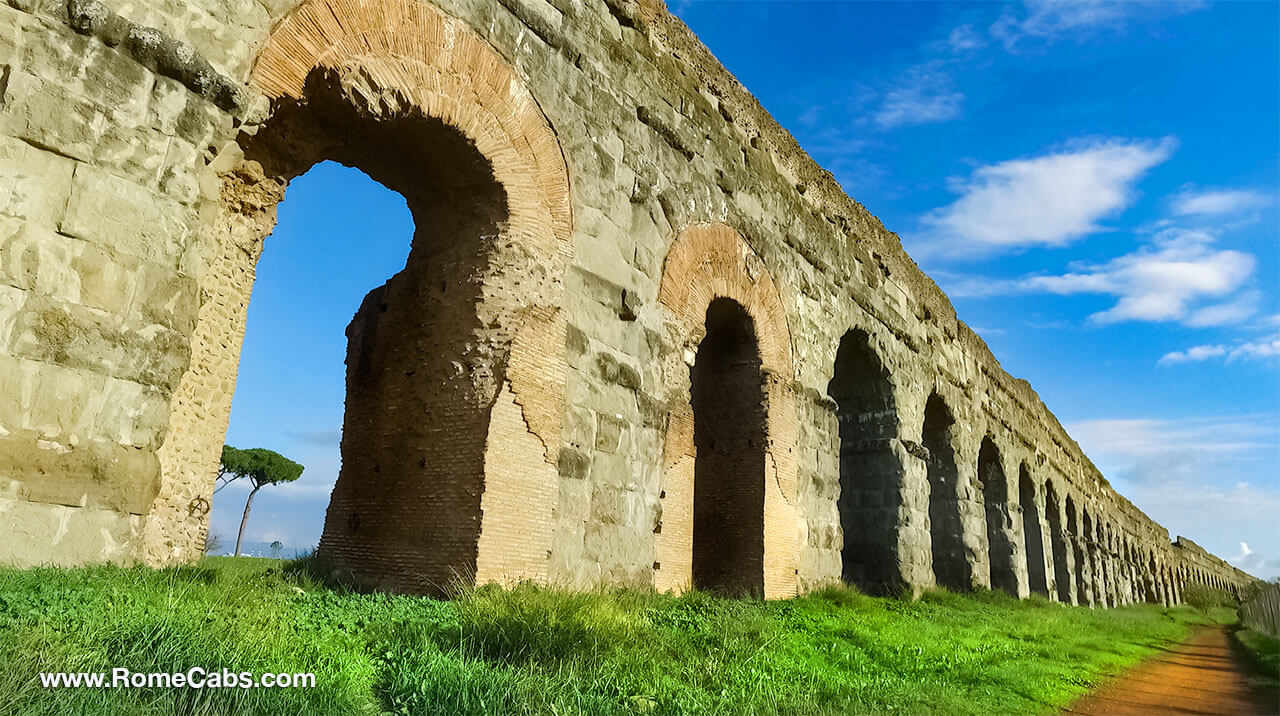
Without continuous flow of water, the Ancient Roman tradition of public bathing in Rome may not have existed. The construction and maintenance of aqueducts like the Aqua Marcia were monumental engineering achievements in themselves. These aqueducts spanned great distances, often traversing challenging terrains such as valleys and mountains. The Romans built aqueducts with precise gradients to ensure a steady flow of water, using a combination of underground channels, tunnels, and above-ground arches and bridges. The aqueducts were constructed with durable materials such as stone and concrete, ensuring their longevity and reliability.
.
.
The Aqua Marcia, in particular, was renowned for its length and the quality of water it delivered. It was approximately 91 kilometers (57 miles) long and brought water from the Anio River valley to Rome. The aqueduct’s design included numerous inspection and maintenance points, allowing the Romans to monitor and repair the system as needed. This meticulous attention to detail ensured that public baths such as the Baths of Caracalla and other public facilities in Rome had a reliable supply of fresh water.
.
.
.
Ancient Roman Thermae Promoted Public Health and Hygiene
.
The ancient Roman tradition of public bathing in Rome was also rooted in hygiene. The ancient Roman thermae were not only centers of leisure and socialization but also played a pivotal role in promoting public health and hygiene. In densely populated urban centers like Rome, maintaining cleanliness and preventing the spread of diseases were significant concerns. The thermae, with their sophisticated infrastructure and thoughtful design, were integral to addressing these concerns, ensuring that the populace had access to hygienic facilities and promoting overall well-being.
.
.
Encouragement of Regular Bathing
.
The Romans were acutely aware of the health benefits associated with regular bathing. As a preventive measure against diseases and infections, frequent visits to the thermae were encouraged for all citizens. The bathing process typically involved a sequence of hot, warm, and cold baths, each serving specific health purposes:
Caldarium (Hot Bath): The caldarium was akin to a modern sauna, featuring hot steam that helped open the pores and detoxify the body. The high temperatures in the caldarium were believed to improve circulation, relieve muscle tension, and cleanse the skin of impurities.
Tepidarium (Warm Bath): Following the caldarium, bathers would move to the tepidarium, where the warm water provided a soothing environment to gradually adjust the body temperature. This intermediate step was crucial in preventing shock to the system.
Frigidarium (Cold Bath): The final step in the bathing process was a plunge into the frigidarium. The cold water invigorated and refreshed the body, closing the pores and stimulating the senses. This abrupt temperature change was thought to boost the immune system and enhance overall vitality.
The combination of these bathing stages created a comprehensive routine that promoted physical health and relaxation, making regular bathing a cornerstone of Roman public health practices.
.

.
.
Sophisticated Water Management System in Ancient Rome
.
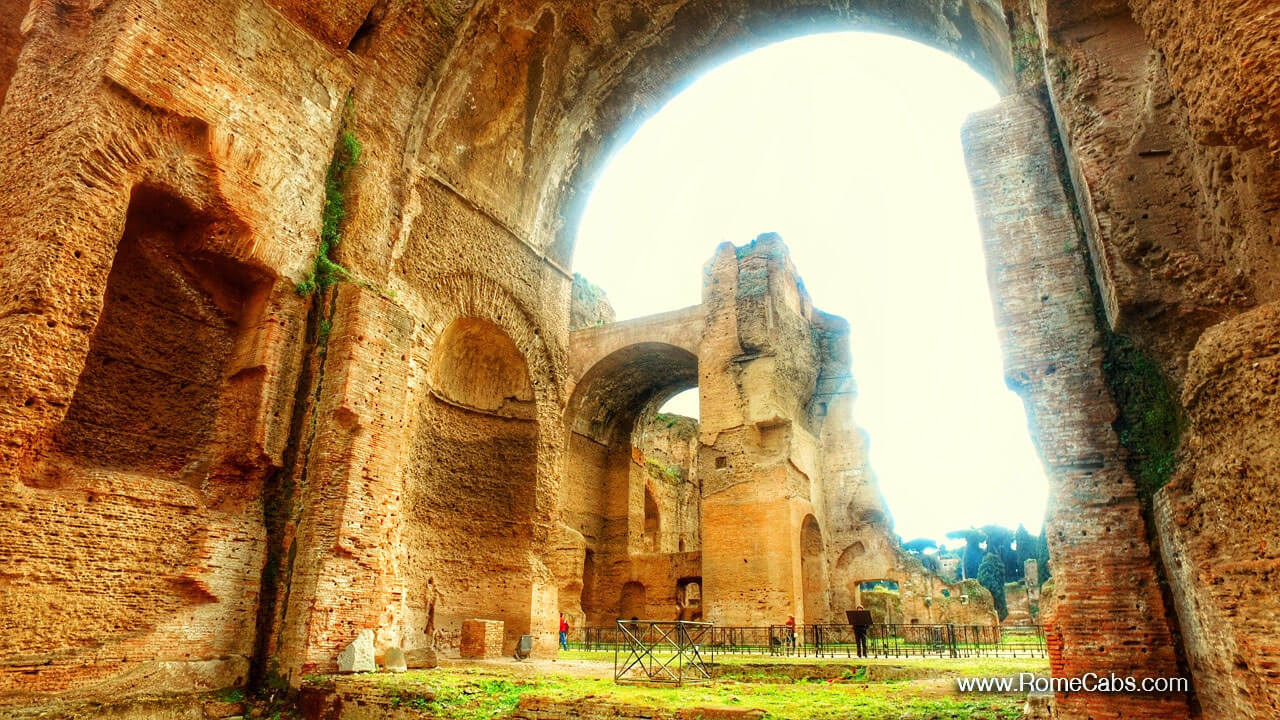
A key aspect of the thermae’s effectiveness in promoting hygiene was their sophisticated water management system. The Baths of Caracalla, for instance, were supplied by the Aqua Marcia aqueduct, one of the longest and most reliable aqueducts in Rome. This extensive network brought fresh water from distant sources into the city, ensuring a steady and ample supply for the baths.
The water management system included:
Aqueducts: These engineering marvels transported water over long distances, often spanning valleys and hills. The Aqua Marcia was renowned for its length and reliability, providing a continuous flow of clean water.
Pipes and Cisterns: Within the bath complexes, a network of lead pipes and large cisterns managed the distribution and storage of water. These structures ensured that water was readily available at all times, even during peak usage.
Continuous Circulation and Replenishment: To maintain hygiene and prevent stagnation, the water in the baths was continuously circulated and replenished. Dirty water was efficiently drained away through an extensive sewer system, and fresh water was introduced, keeping the bathing facilities clean and safe for users.
.
.
Broader Infrastructure for Public Health in Ancient Rome
.
The public baths were part of a comprehensive infrastructure designed to promote health and sanitation across Rome. This broader system included:
Public Latrines: Strategically located throughout the city, public latrines provided accessible sanitation facilities for all citizens. These latrines were connected to the sewer system, which helped manage waste effectively and reduce the risk of contamination.
Sewers: The Cloaca Maxima, Rome’s primary sewer system, played a crucial role in maintaining urban hygiene. It efficiently carried waste away from populated areas, preventing the accumulation of harmful substances and minimizing the spread of diseases.
Fresh Water Fountains: Public fountains distributed clean drinking water to the populace, ensuring that all citizens had access to this vital resource. These fountains were supplied by the same aqueducts that fed the baths, highlighting the interconnected nature of Rome’s water infrastructure.
.
.
.
The Role of the Baths in Roman Daily Life
.
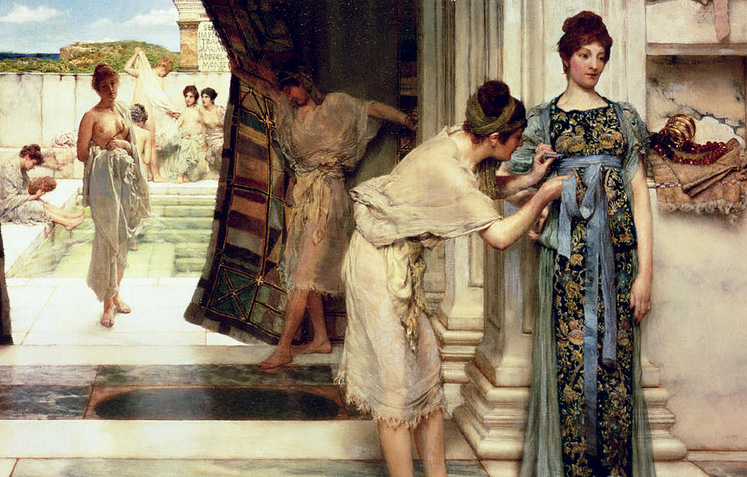
The ancient Roman tradition of public bathing in Rome was integral to Roman daily life, serving as more than just places to bathe. They were woven into the fabric of society, influencing social norms, cultural practices, and even the daily routines of the citizens.
For many Romans, visiting the baths was a daily ritual. It was common for people to spend several hours at the baths, moving through the various stages of bathing and engaging in other activities such as exercise, reading, or socializing. This daily routine was an essential aspect of Roman life, contributing to the physical and mental well-being of the citizens. The baths were places where one could rejuvenate both body and mind, making them a vital part of everyday life.
The baths helped to build a sense of community and collective identity. They were places where citizens could come together, irrespective of their background, and share in a common cultural practice. This sense of shared identity was important in fostering unity and cohesion within the diverse population of Rome. The communal experience of bathing and the interactions that took place within the baths helped to strengthen social bonds and create a sense of belonging.
The Ancient Roman tradition of public bathing in Rome was a multifaceted practice that played a crucial role in the daily lives of its citizens. The Baths of Caracalla, with their extensive facilities and advanced engineering, exemplified the importance of these public spaces in Roman culture. The baths were not only places of hygiene but also centers of socialization, leisure, and intellectual activity, contributing to the overall health and well-being of the population. Through their sophisticated infrastructure and communal nature, the Roman baths left a lasting legacy on the history of public health and social life.
Thank you for reading our RomeCabs travel blog “The Ancient Roman tradition of public bathing in Rome, known as “thermae”. For Rome Tours and Transfers please be sure to visit RomeCab’s official website: http://www.RomeCabs.com
.

.
.
Find RomeCabs online also on:
- RomeCabs FACEBOOK
- RomeCabs PINTEREST
- RomeCabs TWITTER
- RomeCabs INSTAGRAM
- RomeCabs FLICKR Photo Gallery
- Rome Cabs Recommended on Cruise Critic
.
Check out our other Italy Travel Blogs by Romecabs:
https://rome-cabs.org/
https://romecabs.wordpress.com/
https://romecabsdotnet.wordpress.com/
https://rome-cabs.me/
.
.
.
 RomeCabs Blog Italy - Italy Private Excursions, Rome Tours, Civitavecchia Transfers
Leave a Reply