
Buongiorno and welcome to RomeCabs Rome Travel Blog! Rome is a dream destination with its rich history, stunning architecture, and mouthwatering cuisine. However, if you’re heading to the Eternal City in the summer, there are some crucial realities you should be prepared for. From blistering temperatures to packed attractions and August closures, here’s a detailed guide to navigating Rome during its most challenging season.
.
1. Bracing for Extreme Summer Heat in Rome
.
Experiencing Rome during the summer means braving some of the most intense heat the city can offer. Temperatures in July and August often soar to around 100°F (38°C), with occasional spikes even higher. This level of heat, combined with the city’s humid climate, can be overwhelming, so it’s crucial to prepare properly.
.

.
Stay Hydrated
Hydration is your first line of defense against the sweltering temperatures. As you wander through Rome’s historic streets, make sure to drink plenty of water throughout the day. Aim for at least 2-3 liters (about half a gallon) daily, even if you don’t feel particularly thirsty. Carrying a refillable water bottle is incredibly useful. Rome is dotted with public drinking fountains, known locally as “nasoni” or “little noses,” which offer fresh, cool water. These fountains are scattered around the city center, providing a convenient way to stay hydrated. It’s wise to avoid drinks that might dehydrate you further, such as caffeine and alcohol. If you do enjoy these beverages, balance them with additional water to maintain your hydration levels.
.

.
Wear the right clothing and footwear
Choosing the right clothing can significantly impact your comfort in the heat. Opt for lightweight and breathable fabrics like cotton, linen, or moisture-wicking synthetics. These materials help your body regulate temperature by allowing sweat to evaporate more efficiently. Stick to light-colored clothes, as dark colors absorb more heat, exacerbating the already intense temperatures. A wide-brimmed hat is essential for shielding your face and neck from the harsh sun. Ideally, find a hat with built-in UV protection for added defense against sunburn.
.
Sun protection should be a top priority
Use sunscreen with a high SPF, preferably at least SPF 30. Look for water-resistant formulas to ensure effectiveness even if you’re sweating. Apply sunscreen generously and remember to reapply it every two hours, or more often if you’ve been swimming or sweating heavily. Sunglasses with UV400 protection are crucial for shielding your eyes from the sun’s harmful rays. They not only protect your vision but also help reduce the risk of sun-related eye conditions.
.

.
Time your outdoor activities to manage the heat
The early morning hours, before the sun reaches its peak, are the coolest times of day and offer a more comfortable environment for sightseeing. Plan your visits to major attractions like the Colosseum or the Vatican Museums during these hours to avoid the worst of the midday heat. Similarly, late afternoon can provide a more pleasant experience as temperatures start to drop.
This is an excellent time for a leisurely stroll through charming neighborhoods like Trastevere or along the scenic Tiber River. Likewise, head up to Aventine Hill for a respite from the huge crowds in the center and enjoy a stroll through the Garden of Oranges.
.
Incorporate indoor activities to escape the heat
Rome’s rich array of museums, churches, and historical buildings often come with air conditioning, making them ideal spots to escape the intense summer sun. Many locals also adopt a “siesta” during the hottest part of the day, typically from around 1 PM to 4 PM. This tradition means many businesses, especially in residential areas, may close for a few hours. Use this time to relax indoors, enjoy a meal, or plan your next adventure in cooler conditions.
.
2. Rome’s Packed Tourist Attractions
.
Rome, with its rich history and iconic landmarks, draws millions of visitors each year, particularly during the peak summer months. As you plan your visit, it’s important to recognize that the city’s most renowned attractions can become extraordinarily crowded, often to the point where the experience can be diminished by long waits and throngs of people. Understanding how to navigate these busy spots effectively can transform your visit from a stressful ordeal into an enjoyable exploration.
.

.
Secure Your Tickets far in advance
One of the most effective strategies for avoiding the hassle of long lines and sold-out tickets is to book your entry tickets well in advance. Rome’s top attractions, such as the Colosseum, Vatican Museums, and the Borghese Gallery, are incredibly popular and often sell out weeks before your intended visit.
Purchasing tickets online not only ensures you have a guaranteed entry but also allows you to skip the notoriously long queues that can consume hours of your day. Most major sites offer online booking options through their official websites or authorized vendors. By planning ahead and securing your tickets in advance, you can significantly reduce the time spent waiting and make the most of your visit.
.
Time Your Visits Wisely to Avoid Peak Visitor Hours
The time of day you choose to visit these crowded spots can greatly impact your experience. During the summer, the mid-day hours typically see the highest influx of visitors, leading to dense crowds and longer waits. To avoid this, consider planning your visits to major attractions either early in the morning or later in the afternoon.
The early morning hours, right when the sites open, are often less crowded and provide a quieter, more pleasant experience. Alternatively, the late afternoon can also be a good time, as many day-trippers start to leave, reducing the number of people at popular spots. By adjusting your schedule to these quieter periods, you can enjoy the sites with a bit more elbow room and a more relaxed atmosphere.
.

.
Book Guided Tours
If you’re looking for a way to enhance your experience while also sidestepping the crowds, guided tours can be an excellent option. Many tour operators offer packages that include skip-the-line access, allowing you to bypass the often lengthy queues and dive straight into the heart of the attraction. These tours can provide valuable insights and context that you might miss if you explore on your own.
Opting for small-group or private tours can further enhance your experience, as they tend to be less crowded and offer a more personalized touch. Guides are usually well-versed in the history and significance of the sites, offering a deeper understanding and enriching your visit beyond the mere visuals.
.
Seek out Less-Visited Sites to avoid huge crowds
.
Visit Amazing but lesser-known churches in Rome
Rome’s most famous landmarks, such as the Colosseum and Vatican Museums, undoubtedly offer awe-inspiring experiences, but they also come with heavy crowds and long lines, especially during peak tourist seasons. If you’re looking for a more tranquil experience away from the throngs of visitors, the Eternal City boasts a range of lesser-known sites that provide a serene escape from the bustling tourist hotspots.
One such site is the Baths of Caracalla. This ancient bathing complex, while significant, doesn’t attract the same level of crowds as the more famous attractions. The vast ruins offer a fascinating glimpse into Roman life with impressive remnants of mosaic floors, grandiose baths, and serene gardens. It’s an excellent place to explore the grandeur of ancient Rome without the crush of tourists. Baths of Caracalla is the epitome of the Ancient Roman tradition of public bathing in Rome.
Churches in Rome can also offer a peaceful retreat. Here are some excellent churches to visit that are usually not crowded.
Although Santa Maria Maggiore is one of Rome’s major basilicas, it tends to be less crowded than St. Peter’s Basilica. This grand church, one of the four major basilicas of Rome, features stunning mosaics, a majestic coffered ceiling, and an impressive array of chapels. Its serene atmosphere and rich history offer a more contemplative experience, especially during quieter times of day.
.

.
Nestled near Piazza Navona, San Luigi dei Francesi is renowned for its exquisite Caravaggio paintings, including the famous “Calling of Saint Matthew.” The church’s Baroque interior is beautiful but tends to be less crowded, allowing visitors to appreciate the art and architecture at a more leisurely pace.
Located just outside the ancient city walls, the Basilica of Saint Paul Outside the Walls is one of Rome’s four major basilicas and the burial site of Saint Paul the Apostle. This grand church is a stunning example of early Christian architecture, featuring an impressive nave, beautiful mosaics, and a tranquil cloister. Despite its historical significance and architectural beauty, it remains less crowded than other major churches, offering a serene and contemplative atmosphere for visitors. The basilica’s peaceful gardens and serene interior make it an ideal retreat from the hustle and bustle of central Rome.
.

.
Located near the Colosseum, San Pietro in Vincoli is often overlooked by tourists. The church is famous for housing Michelangelo’s statue of Moses, as well as relics of Saint Peter’s chains. Its relatively understated exterior hides a richly adorned interior, making it a peaceful spot to reflect on Rome’s artistic and religious heritage.
Tucked away near the Pantheon, Santa Maria sopra Minerva is an often overlooked church with a striking Gothic interior, including a famous statue of Christ by Michelangelo. It provides a quieter alternative for those looking to experience both art and history without the heavy foot traffic found at more popular sites.
.

.
Discover Rome’s Lesser-Known Museums
In addition to exploring quieter churches, Rome offers several lesser-known museums that can provide a more relaxed and immersive experience. These venues often feature remarkable collections and historical artifacts but do not attract the same level of crowds as the city’s major museums. Here are a few noteworthy options:
.
National Roman Museum (Museo Nazionale Romano)
The National Roman Museum, spread across four different locations, is a treasure trove of Roman antiquities. One of the locations, the Palazzo Massimo alle Terme, is particularly notable for its impressive collection of Roman frescoes, coins, and sculptures. Another significant site is the Palazzo Altemps, which houses an exquisite collection of Greek and Roman sculptures, including several noteworthy pieces from ancient Rome. Both museums offer a fascinating glimpse into Rome’s ancient past without the overwhelming crowds found at more famous institutions.
.

.
Museum of the Baths of Diocletian (Museo delle Terme di Diocleziano)
Adjacent to the Diocletian Baths, this museum focuses specifically on the history and architecture of Roman bath complexes. The exhibits include detailed reconstructions and models that provide insight into how these grand structures functioned in antiquity. The combination of historical artifacts and architectural models offers a unique perspective on Roman engineering and daily life.
.
Villa Giulia (Museo Nazionale di Villa Giulia)
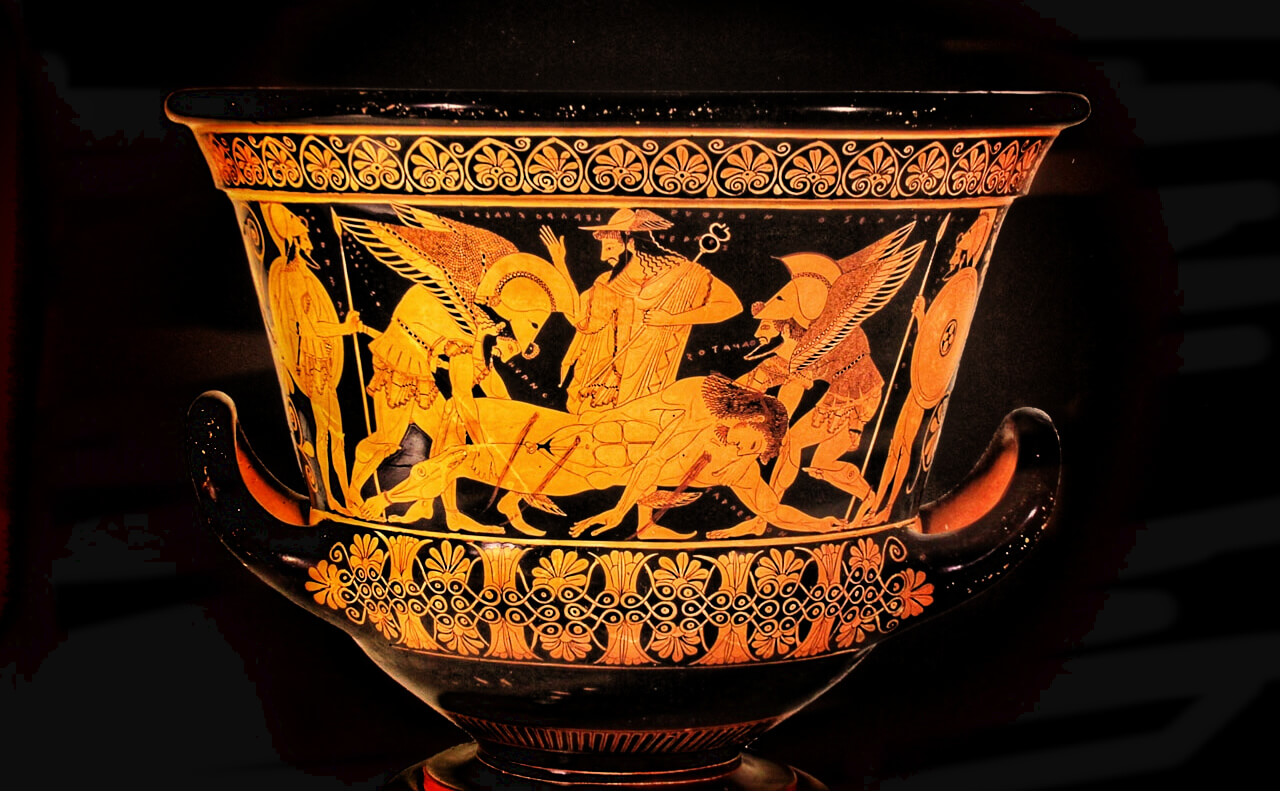
Located in the northern part of Rome, Villa Giulia is home to the National Etruscan Museum, which houses one of the most comprehensive collections of Etruscan artifacts in the world. The museum is set within a beautiful Renaissance villa and features a range of treasures from the Etruscan civilization, including intricate jewelry, pottery, and the famous “Etruscan Sarcophagus of the Spouses.” Its more tranquil setting and less crowded atmosphere provide a pleasant alternative for those interested in ancient Italian history.
.
.
Managing your visit to Rome’s busy sites also involves practical considerations. Wear comfortable footwear, as you’ll likely be on your feet for extended periods. Having a hat and sunscreen at the ready will protect you from the sun, especially if you’re waiting in line outdoors. Additionally, familiarize yourself with the layout of the sites and the locations of amenities like restrooms and refreshment stands to ensure a smoother visit.
.
4. Summer Sales in Rome and around Italy:
.
If you’re visiting Rome in the summer, there’s a delightful shopping opportunity that you won’t want to miss: Italy’s annual summer sales, which begin shortly after the first week of July. This period, known locally as “Saldi Estivi,” is a shopper’s paradise, offering substantial discounts on a wide range of merchandise, from high-end fashion to everyday items.
As temperatures rise, so do the markdowns in Italy’s vibrant shopping districts. The summer sales season is a cherished tradition across the country, and Rome is no exception. This is the time when many stores, both large and small, significantly reduce their prices to clear out their summer stock and make way for fall and winter collections. Discounts typically range from 30% to 70%, depending on the store and the item.
.

.
The sales start after the 1st week of July and can last until August (or until the merchandise sells out) but the most exciting deals are often available in the first few weeks. Shoppers can find a variety of items on sale, including clothing, shoes, accessories, and home goods. Luxury boutiques, high-street chains, and even local artisan shops participate in the sales, making it an excellent time to pick up everything from designer pieces to unique local finds at a fraction of their regular prices.
.
5. August: The Italian Vacation Month
.
August in Rome is synonymous with the Italian summer vacation period, a time when many locals take extended holidays. This tradition has a considerable impact on the city’s rhythm and can significantly influence your experience as a visitor. Understanding these effects and preparing accordingly will help you navigate the city more smoothly and make the most of your stay.
.
Rome Public Transportation in Rome in August
During August, the dynamics of Rome’s public transportation system change considerably. Many locals leave the city for their vacations, leading to reduced schedules for local buses and regional trains. The typically frequent and reliable services may become less regular, making it more challenging to get around. If you plan to rely on public transport, it’s crucial to plan your journeys in advance. Check the schedules of buses and trains beforehand to avoid any surprises and ensure that you can travel efficiently between the city’s various attractions. Be prepared for potential delays and plan extra time for your journeys, as the reduced service can lead to longer waits at bus stops or train stations.
.
Neighborhood Closures and Reduced Services in August
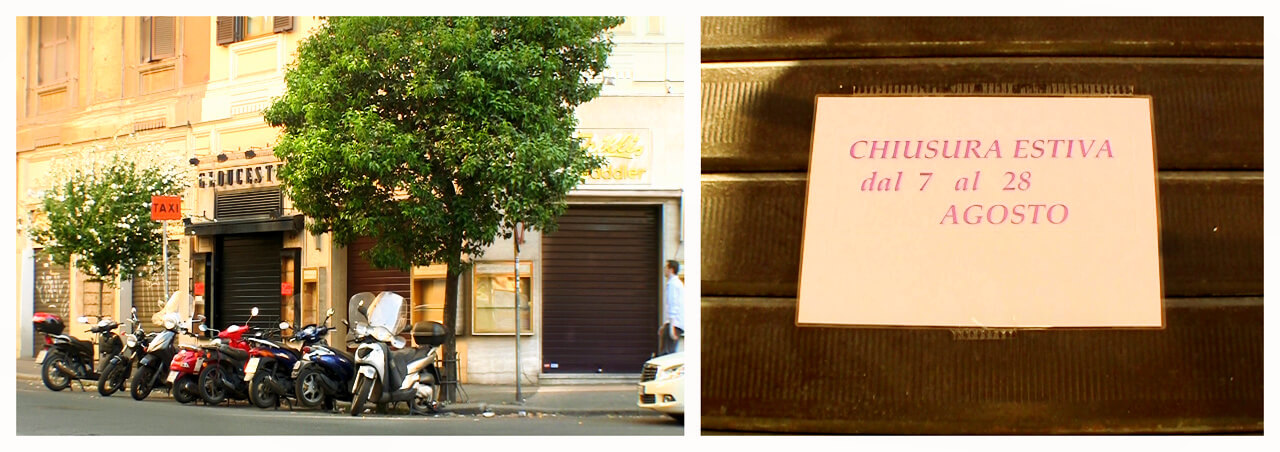
August also sees a significant shift in the availability of local services, particularly outside the historic center. Many local shops, cafes, and restaurants close for the entire month as their owners and staff take their own holidays. This can be particularly noticeable in residential neighborhoods where daily life often revolves around these smaller, community-based establishments. As a visitor, you might find that your favorite cafes or restaurants are closed, or that local shops and markets you intended to visit have shut their doors for the summer.
To mitigate this, it’s advisable to check the opening hours of any specific places you plan to visit. Some restaurants and shops may operate on reduced hours or close entirely, so verifying their schedules ahead of time will help you avoid disappointment. Since the historic center and major tourist areas usually remain active and well-serviced, consider staying centrally located in August.
.
.
Reduced Public Transportation in August
August in Rome brings not only changes to neighborhood services but also alterations to the city’s public transportation system. As many Italians take their annual vacations during this time, there is a noticeable decrease in the demand for public transport. Consequently, local buses and regional trains operate on a reduced schedule. The diminished service frequency can make getting around the city more challenging, particularly if you rely on these modes of transport for your daily activities or sightseeing.
.
Making the Most of August in Rome
Despite these challenges, August in Rome can still offer a unique and rewarding experience. The city is often quieter in terms of local activity, which can make for a more relaxed atmosphere in some areas. Major tourist attractions typically remain bustling with visitors from around the world, so you can still enjoy the iconic sights without the heavy presence of local crowds.
Moreover, Rome’s historical charm is ever-present, and the summer sun provides a different, almost magical light that enhances the beauty of its ancient monuments and piazzas. Embrace the slower pace of local life and explore the city’s vibrant outdoor spaces, like the picturesque gardens of Villa Borghese or the cool, shaded areas of the Roman Forum.
Visiting Rome in the summer requires some extra preparation, but with the right strategies, you can still enjoy everything this magnificent city has to offer. From dealing with extreme heat to navigating the effects of the August exodus, being informed will help you make the most of your trip. Embrace the adventure, stay cool, and savor the unforgettable experiences that await in the Eternal City. Buon viaggio!
.
Find RomeCabs online also on:
- RomeCabs FACEBOOK
- RomeCabs PINTEREST
- RomeCabs TWITTER
- RomeCabs INSTAGRAM
- RomeCabs FLICKR Photo Gallery
.
.

.
.
.
.
 RomeCabs Blog Italy - Italy Private Excursions, Rome Tours, Civitavecchia Transfers
Leave a Reply