Buongiorno and welcome to RomeCabs Italy Travel blog! Ferragosto, celebrated on August 15th, is one of Italy’s most cherished holidays, marking the height of summer with a blend of ancient traditions, religious significance, and modern festivities. The holiday is a time for Italians to relax, travel, and enjoy the company of family and friends, encapsulating the vibrant spirit of Italian culture.
Here’s what you should know about Ferragosto, Italy’s celebrated August summer holiday.
.
History of Ferragosto
.
Ancient Roman Origins of Ferragosto
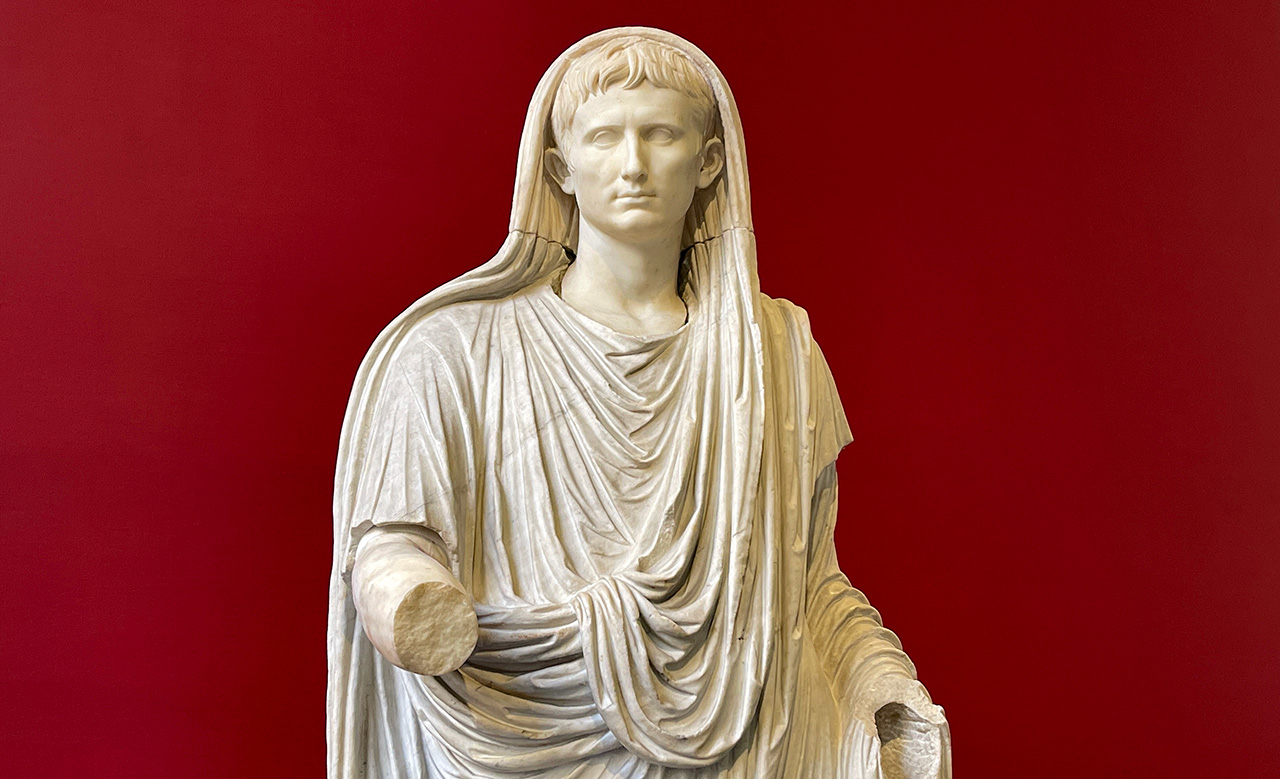
The origins of Ferragosto date back to ancient Rome. The term “Ferragosto” is derived from the Latin phrase “Feriae Augusti,” meaning “Festivals of Augustus.” It was established by Emperor Augustus in 18 BC to celebrate the end of the arduous agricultural season and provide a period of rest and festivities for workers. The festival was a clever political move by Augustus, aiming to link his name and reign with a period of peace and prosperity.
The celebrations during the “Feriae Augusti” were characterized by races, games, and feasts, offering a much-needed break from the toil of farming and other laborious tasks. Horse races, known as “Feriae Augusti” races, were held throughout the empire, and the winners were often awarded with gifts and garlands. Gladiatorial games and theatrical performances were also common, providing entertainment for the masses.
.
.
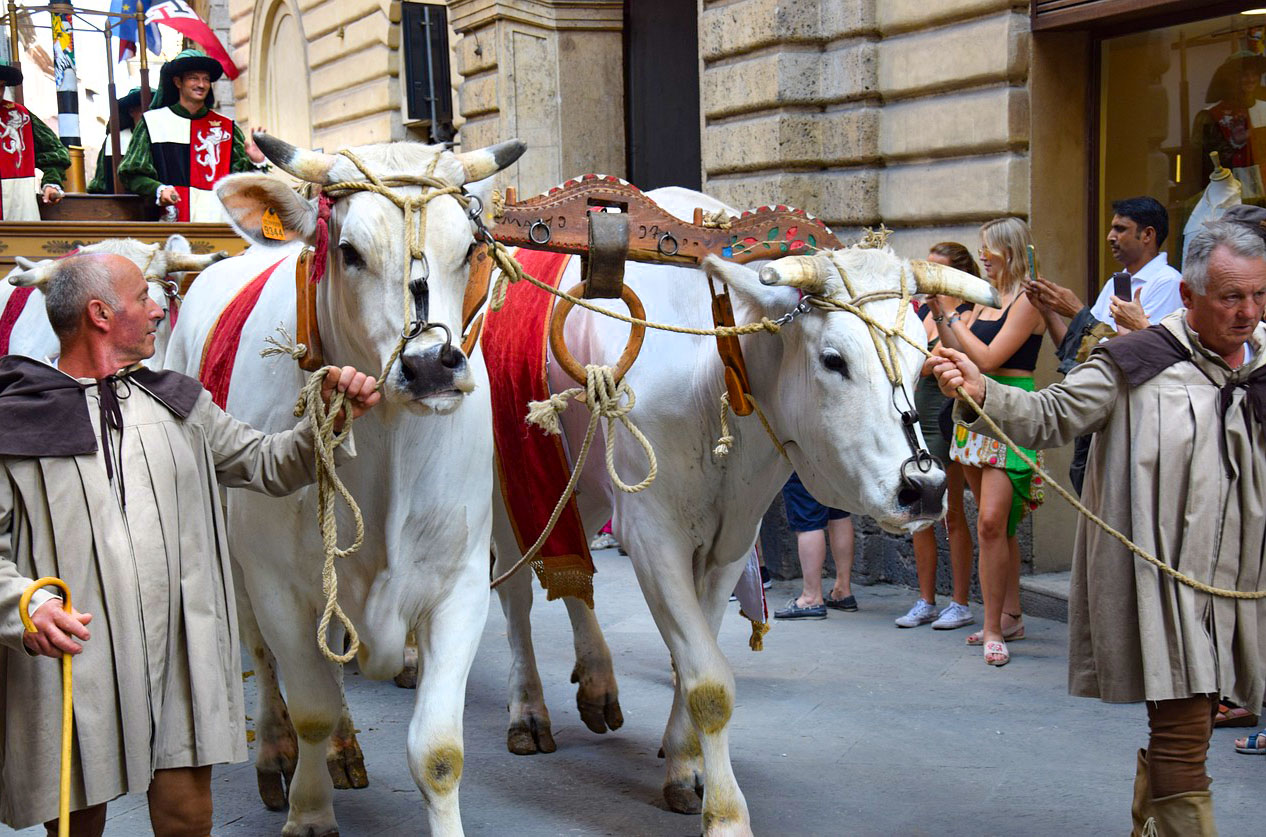
During this period, all forms of agricultural work were suspended, and animals, particularly oxen, donkeys, and mules, were adorned with flowers. These animals, having worked hard in the fields, were given a day of rest and adorned with garlands in a gesture of gratitude. The holiday was also a time for slaves to be temporarily freed from their duties, and everyone, regardless of social status, participated in the joyous activities. This universal participation helped to reinforce social cohesion and the idea of a unified Roman state under Augustus.
In addition to the public festivities, private celebrations were also common. Families gathered to share lavish meals, often featuring foods that were considered luxurious at the time, such as roasted meats, exotic fruits, and wine. Offerings were made to the gods, particularly to the goddess Diana, who was associated with nature and fertility, in hopes of securing a bountiful harvest for the coming year.
.
Christian Adoption of Ferragosto
As Christianity spread across the Roman Empire, many pagan festivals were reinterpreted to fit the new religious context. Ferragosto was no exception. The Catholic Church transformed it into a religious celebration, coinciding with the Feast of the Assumption of the Blessed Virgin Mary. According to Christian belief, this day commemorates the Assumption of Mary into Heaven, an event that signifies her reunion with her son, Jesus Christ. This belief was formally defined as a dogma by Pope Pius XII in 1950, but it had been celebrated by Christians for many centuries prior.
.
The Legend of the Assumption
A central legend associated with Ferragosto is the Assumption of the Virgin Mary. According to Christian tradition, Mary, the mother of Jesus, was taken up into Heaven, body and soul, at the end of her earthly life. This belief, although not explicitly mentioned in the Bible, has been a cornerstone of Christian doctrine for centuries. The Assumption symbolizes the divine grace bestowed upon Mary and her unique role in the salvation narrative.
The earliest accounts of the Assumption date back to the 4th and 5th centuries, with apocryphal texts such as the “Transitus Mariae” (The Crossing Over of Mary). These stories, though not included in the canonical Bible, have significantly influenced Christian beliefs and practices. The Assumption was celebrated as a feast in the Eastern Christian Church as early as the 5th century and gradually spread to the Western Church.
In 1950, Pope Pius XII formally defined the Assumption as a dogma of the Catholic Church in the apostolic constitution “Munificentissimus Deus.” This declaration affirmed that Mary, having completed her earthly life, was assumed body and soul into heavenly glory. The Assumption thus represents Mary’s purity and her close association with her son, Jesus Christ.
The feast of the Assumption on August 15th is marked by special masses and religious processions across Italy. In many towns, statues of the Virgin Mary are carried through the streets, often accompanied by elaborate floral decorations, music, and prayers. These processions can be deeply moving events, reflecting the profound devotion of the participants.
.

.
.
.
Traditional Foods associated with Ferragosto
.
No Italian celebration is complete without a feast, and Ferragosto is no exception. Traditional Ferragosto foods vary by region, but some common dishes include roasted meats, particularly lamb or chicken, accompanied by fresh, seasonal vegetables.
In coastal areas, seafood is often the star of the meal, with dishes like grilled fish, seafood salads, and pasta with clams or mussels. Desserts such as gelato, fruit tarts, and the Sicilian granita—a semi-frozen dessert made from sugar, water, and various flavorings—are also popular, providing a refreshing end to the meal.
.

.
.
Cultural Significance of Ferragosto for Italians
.
Ferragosto holds a special place in the hearts of Italians, symbolizing not just a break from work but a celebration of life, community, and the joys of summer. It is a time for relaxation, reflection, and rejuvenation, as well as an opportunity to reconnect with cultural heritage and family traditions. Despite the modernization of Italian society, Ferragosto remains a beloved and enduring holiday, deeply rooted in the country’s history and collective memory.
The cultural significance of Ferragosto extends beyond leisure and festivities. It serves as a reminder of the importance of family and community in Italian life. The holiday fosters a sense of togetherness, as people come together to share meals, participate in local traditions, and enjoy shared experiences. This communal spirit is reflected in the widespread participation in public events and the collective joy that characterizes the celebrations.
.
Palio di Siena
One of the most famous events associated with Ferragosto is the Palio di Siena, a historic horse race held in the Tuscan city of Siena. The race takes place twice a year, on July 2nd and August 16th, and is a major part of the Ferragosto celebrations. The Palio is not just a race but a deeply ingrained cultural event that brings the entire city together. Each horse and rider represent one of Siena’s seventeen contrade, or districts, and the competition is fierce, with intense preparation and training leading up to the event.
The Palio di Siena has medieval origins, with the first official race being held in 1633, though similar events date back even further. The race is held in the Piazza del Campo, a shell-shaped public square in the heart of Siena. The piazza is transformed into a racetrack, with a thick layer of dirt laid down to create the racing surface.
.
.
In the weeks leading up to the Palio, each contrada holds its own preliminary races and celebrations, creating a palpable sense of anticipation and rivalry. The horses are chosen by lottery, and the jockeys undergo rigorous training to navigate the challenging course, which includes sharp turns and uneven terrain. On the day of the race, the piazza is filled with thousands of spectators, including locals and tourists, all eager to witness the thrilling spectacle.
The race itself is a brief but intense event, typically lasting no more than 90 seconds. The jockeys ride bareback, adding to the difficulty and excitement. Winning the Palio is a matter of immense pride for the contrade, and the victorious district earns bragging rights and a grand celebration that lasts long into the night. The prize for the winning contrada is the “Drappellone,” or large banner, which is specially painted for each race and serves as a highly coveted trophy.
.

.
The Palio di Siena is more than just a horse race; it is a symbol of the city’s rich history and communal spirit. The event fosters a strong sense of identity and belonging among the residents of Siena, who take great pride in their contrade and the traditions associated with the Palio.
.
Ferragosto Culture in Modern Italy
.
Ferragosto and Annual August Vacation for Italians
In contemporary Italy, Ferragosto marks the peak of the summer holiday season. Many Italians take extended vacations during this period, often heading to the coast, mountains, or countryside to escape the heat and enjoy the natural beauty of their country.
Cities like Rome, Milan, and Florence become noticeably quieter as locals flock to popular holiday destinations like the Amalfi Coast, the islands of Sicily and Sardinia, and the northern lakes.
.
.
The exodus from urban areas during Ferragosto is so pronounced that major cities can feel almost deserted. This mass movement of people is a testament to the importance of Ferragosto as a time for relaxation and rejuvenation.
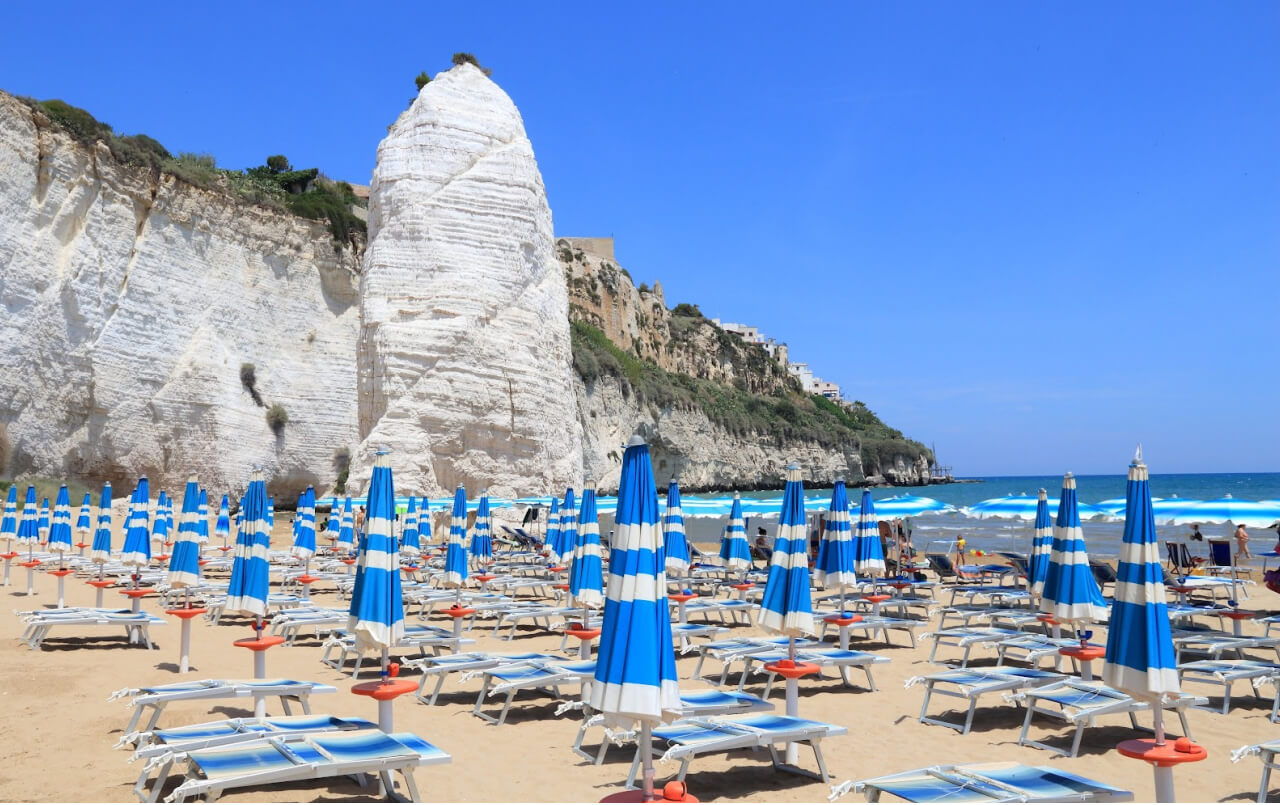
Italian highways and train stations witness a surge in traffic as families travel to holiday spots. The coastlines become dotted with colorful beach umbrellas, and the air is filled with the sounds of laughter, music, and waves crashing on the shore.
.

.
In the mountains, cooler temperatures provide a refreshing escape from the summer heat. Popular destinations include the Dolomites and the Apennines, where visitors can enjoy hiking, mountain biking, and scenic vistas. Agritourism is also popular during Ferragosto, with many Italians choosing to stay at working farms where they can experience rural life, enjoy home-cooked meals, and participate in farm activities.
.
What does Ferragosto mean for Tourists in Italy
.
Not only Italians go on vacation in August but so do tens of thousands of travelers and cruisers. With many Italians leaving urban areas for their holidays in August, cities such as Rome, Milan, and Florence face several implications for tourists.
If you will be visiting Rome in August during Ferragosto, here’s what to know and how to plan your visit.
Major Tourist Sites Remain Open: Iconic landmarks such as the Colosseum, the Vatican Museums, and the Uffizi Gallery continue to welcome visitors.
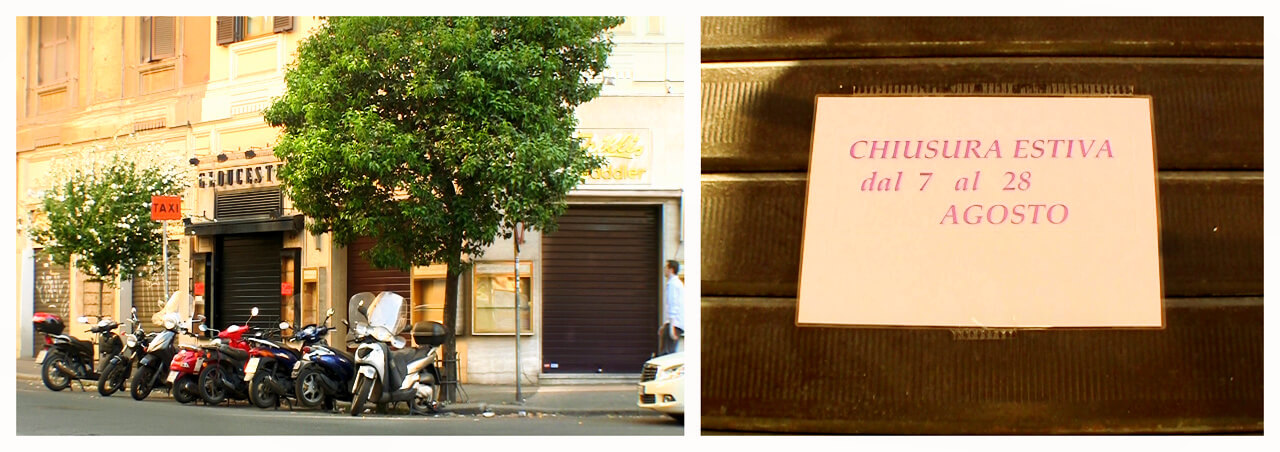
Smaller Shops and Restaurants outside the city center: Outside the bustling city centers, many smaller shops, family-run restaurants, and local businesses might close as owners take their own holidays. This is particularly noticeable in residential neighborhoods.
.
.
Transportation Schedules: Public transportation, including buses, trams, and trains, may operate on reduced holiday schedules. This can mean fewer services and longer wait times. Be prepared to use taxis or ride-sharing services, especially if traveling late at night or early in the morning.
Stay Centrally Located: Choosing accommodation in the city center minimizes reliance on public transportation and ensures easier access to open restaurants, shops, and attractions. Staying near major sites reduces travel time and enhances convenience.
Avoid Overcrowded Seaside Locations: The Amalfi Coast, Sorrento, Capri, and similar destinations are packed with both Italian and European holidaymakers during their annual Ferragosto August summer vacation. This can lead to crowded beaches, long waits at restaurants, and congested roads.
.

.
Hotels, B&Bs, and rental properties in these areas are often fully booked well in advance, and prices can soar due to high demand.
The narrow and winding roads of the Amalfi Coast and other popular seaside areas can become heavily congested, making travel slow and stressful.
.
Alternative Destinations for August trips to Italy:
For tourists seeking to avoid the crowded coastal areas during Ferragosto, several inland and less-touristy regions in Italy offer equally captivating experiences. These destinations provide rich cultural heritage, stunning landscapes, and a more relaxed atmosphere. Here are some top recommendations:
Umbria: Known as the “green heart of Italy,” Umbria offers picturesque towns like Assisi, Perugia, and Spoleto, rich in history and culture, without the coastal crowds.
Tuscany Countryside: While coastal Tuscany can be crowded, the inland regions, including the Chianti area, Val d’Orcia, and towns like Montepulciano and Montalcino, offer beautiful scenery, wine tasting, and cultural experiences.
.

.
Additional planning tips:
Advance Planning: Given the holiday’s popularity, accommodations and transportation options can book up quickly. Reserving hotels, rental cars, and train tickets well in advance is advisable.
Pack Accordingly: August is one of the hottest months in Italy. Tourists should prepare for high temperatures, especially in southern regions. Pack comfortable, lightweight clothing made of natural fibers like cotton and linen. Include sunscreen, hats, and sunglasses to protect against the strong sun.
Ferragosto is more than just a day off in Italy; it is a vibrant and meaningful celebration that bridges ancient Roman customs with Christian traditions and modern-day leisure. Whether through historical legends, religious observances, or contemporary festivities, Ferragosto continues to be a time of joy, community, and cultural pride for Italians.
As the summer sun reaches its zenith, Ferragosto invites everyone to pause, savor the moment, and celebrate the richness of Italian life.
.
Read more from RomeCabs Travel Blogs:
10 Common Mistakes that Ruin Your Summer Trip to Italy
Visiting Rome in the Summer? What to expect
Traveling to Italy this summer? Don’t forget to bring THESE with you
.
Find RomeCabs online also on:
- RomeCabs FACEBOOK
- RomeCabs PINTEREST
- RomeCabs TWITTER
- RomeCabs INSTAGRAM
- RomeCabs FLICKR Photo Gallery
.
.
.
 RomeCabs Blog Italy - Italy Private Excursions, Rome Tours, Civitavecchia Transfers
Leave a Reply