
Buongiorno and welcome to RomeCabs Italy Travel Blog! For a unique and restorative experience, visit Bagno Vignoni, a picturesque village renowned for its thermal baths since Roman times. This charming village, nestled in the heart of Tuscany’s Val d’Orcia, offers a blend of historical allure and natural beauty. The centerpiece of Bagno Vignoni is its large thermal pool, located in the main square and surrounded by medieval buildings, creating a serene and enchanting atmosphere. Here’s what you need to know about Bagno Vignoni, a tranquil haven of thermal waters.
.
Bagno Vignoni’s History
.
Bagno Vignoni’s history is intricately linked with its thermal springs, whose curative properties have been esteemed for over two thousand years. The origins of this enchanting village can be traced back to Roman times when the first settlers recognized the health benefits of the local thermal waters. These natural springs, rich in minerals, quickly became renowned for their therapeutic qualities, making Bagno Vignoni a sought-after destination for those seeking relaxation and rejuvenation.
.

.
.
Bagno Vignoni during Roman Empire
The Romans constructed elaborate bathhouses and spa facilities to harness the power of these thermal springs, setting a precedent for the village’s enduring legacy as a wellness destination. Over time, Bagno Vignoni evolved into a prominent spa town, with its fame spreading across the Roman Empire.
.
Bagno Vignoni: Middle Ages through Renaissance
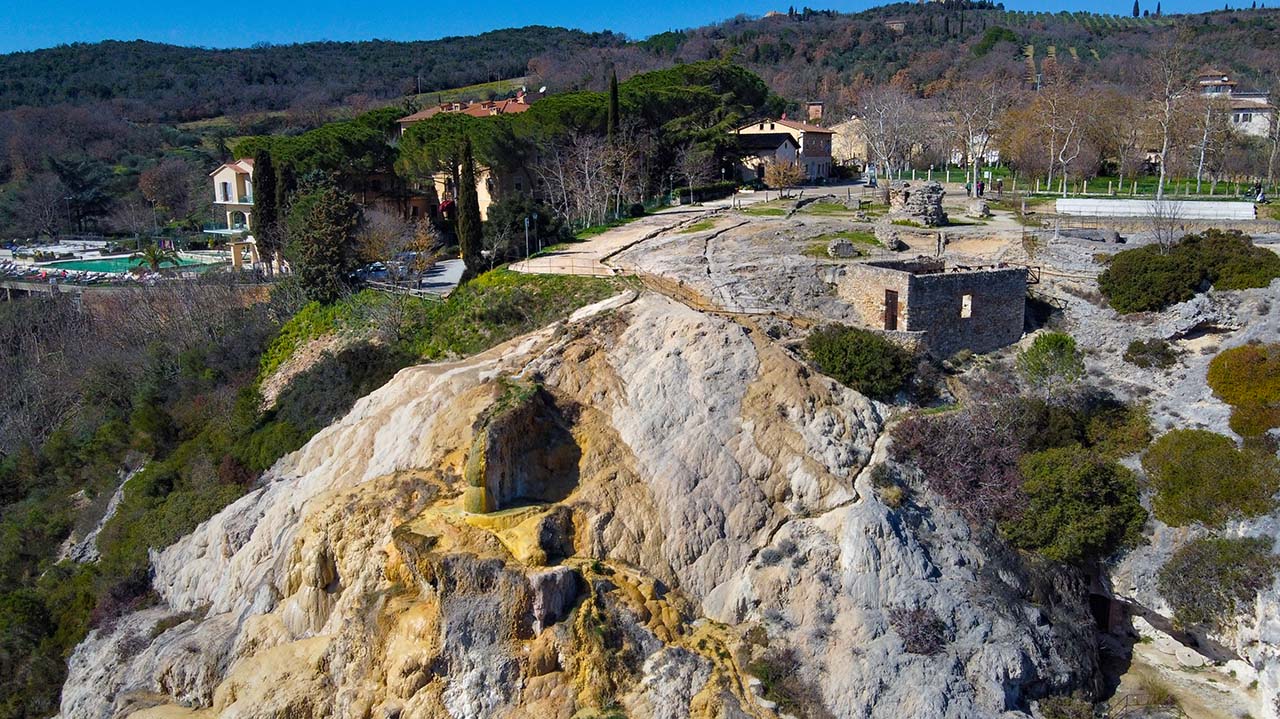
The village’s historical significance was further enhanced by its location along the Via Francigena, an important medieval pilgrimage route leading to Rome. This strategic positioning attracted countless pilgrims and travelers, increasing Bagno Vignoni’s prominence as a place of rest and recovery on their long journeys. The Via Francigena’s influence cemented the village’s role as a crucial waypoint in medieval Italy, drawing visitors from across Europe.
.
.
During the Middle Ages, Bagno Vignoni became a sanctuary for many notable figures, including Saint Catherine of Siena. Renowned for her spiritual fervor and commitment to the church, Saint Catherine sought the healing waters of Bagno Vignoni to alleviate her ailments. Her visit added to the village’s reputation as a place of spiritual and physical renewal.
The Renaissance era marked a golden age for Bagno Vignoni, as the village attracted wealthy families and nobles who built opulent villas and spa facilities to capitalize on the medicinal properties of the thermal waters. This period saw the construction of elegant bathhouses and luxurious accommodations, further enhancing the village’s status as a premier destination for the elite.
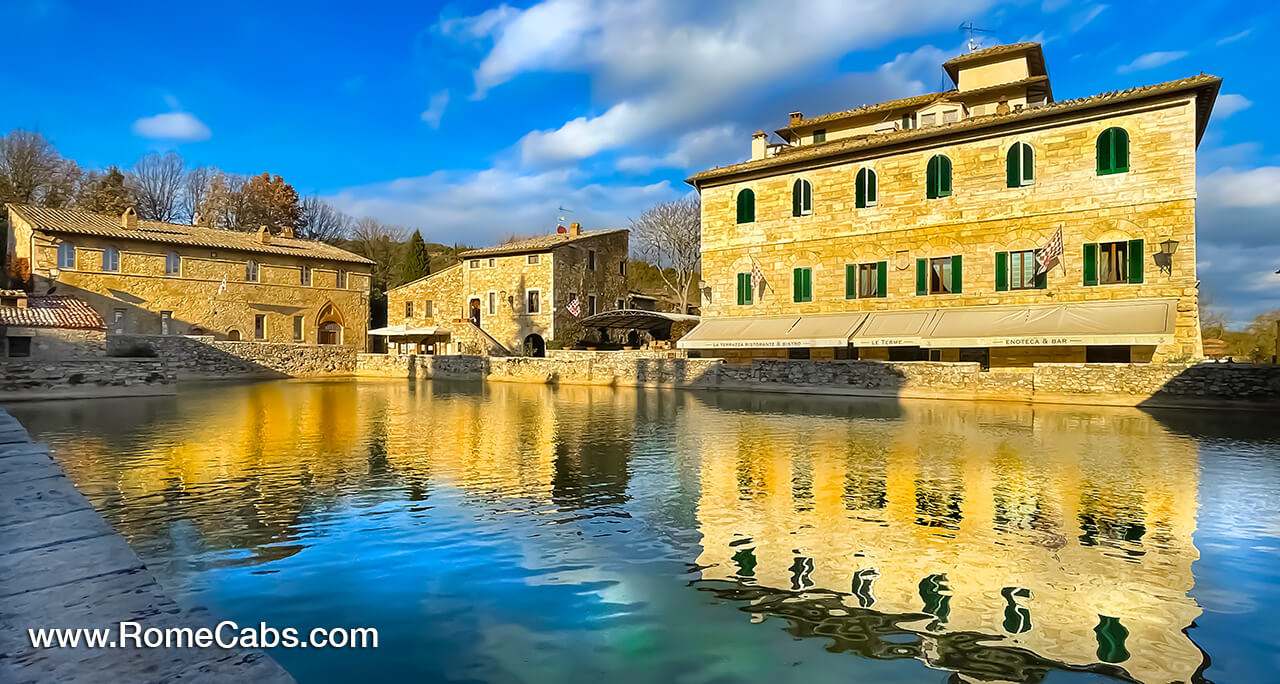
The thermal baths remained a symbol of the village’s allure through the centuries, embodying a blend of historical significance and natural beauty. Today, Bagno Vignoni continues to captivate visitors with its timeless charm, offering a glimpse into its rich past while providing modern amenities for relaxation and wellness.
.
.
.
The Thermal Pool: The Heart of the Village
.
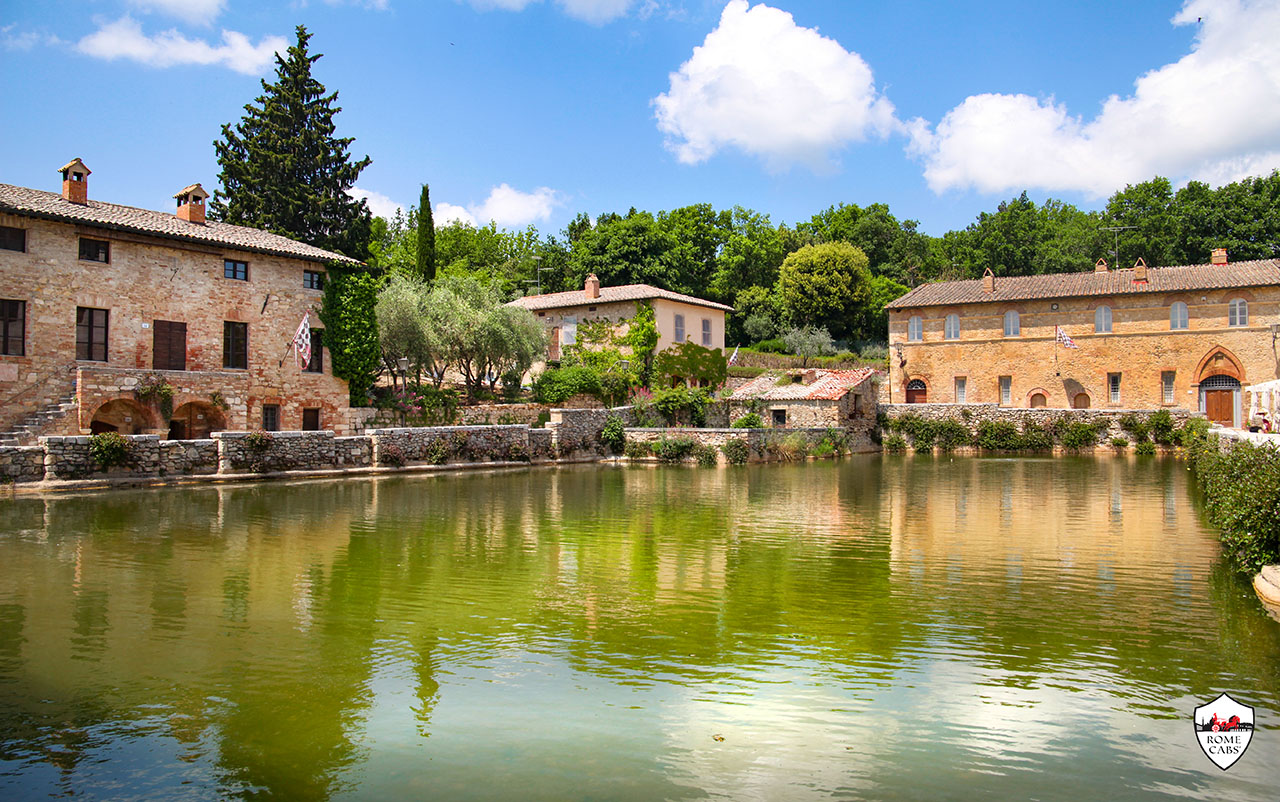
At the heart of Bagno Vignoni lies its most iconic feature: the central thermal pool, known as the Piazza delle Sorgenti. This impressive rectangular pool, measuring 49 meters by 29 meters, serves as the focal point of the village and embodies its rich historical and cultural heritage. Fed by natural hot springs that originate from an underground aquifer, the pool’s waters maintain a consistently warm temperature of approximately 49 degrees Celsius (120 degrees Fahrenheit).
The thermal springs beneath Bagno Vignoni have been revered since Roman times for their therapeutic qualities. The mineral-rich waters are abundant in essential elements such as sulfate, bicarbonate, and calcium. These minerals contribute to the waters’ renowned healing properties, which have been particularly beneficial for conditions such as rheumatism, arthritis, and various skin ailments. Over centuries, these waters have drawn countless visitors seeking relief and rejuvenation.
.
.
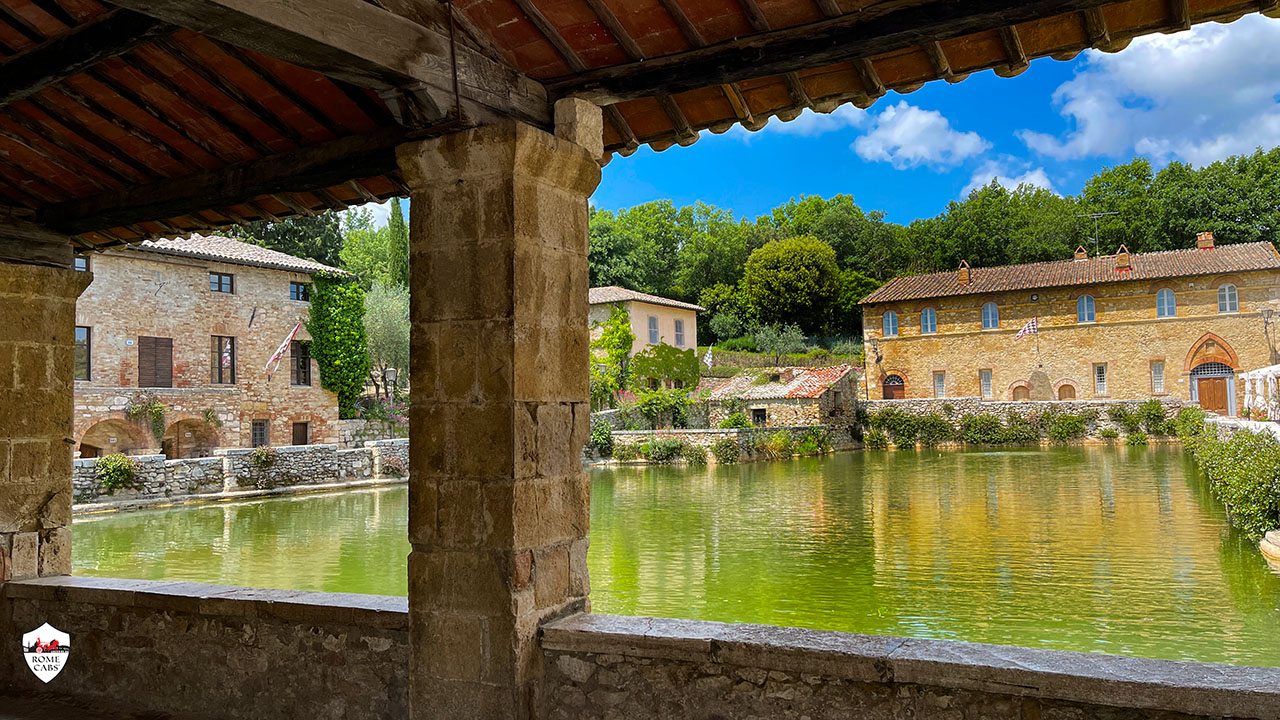
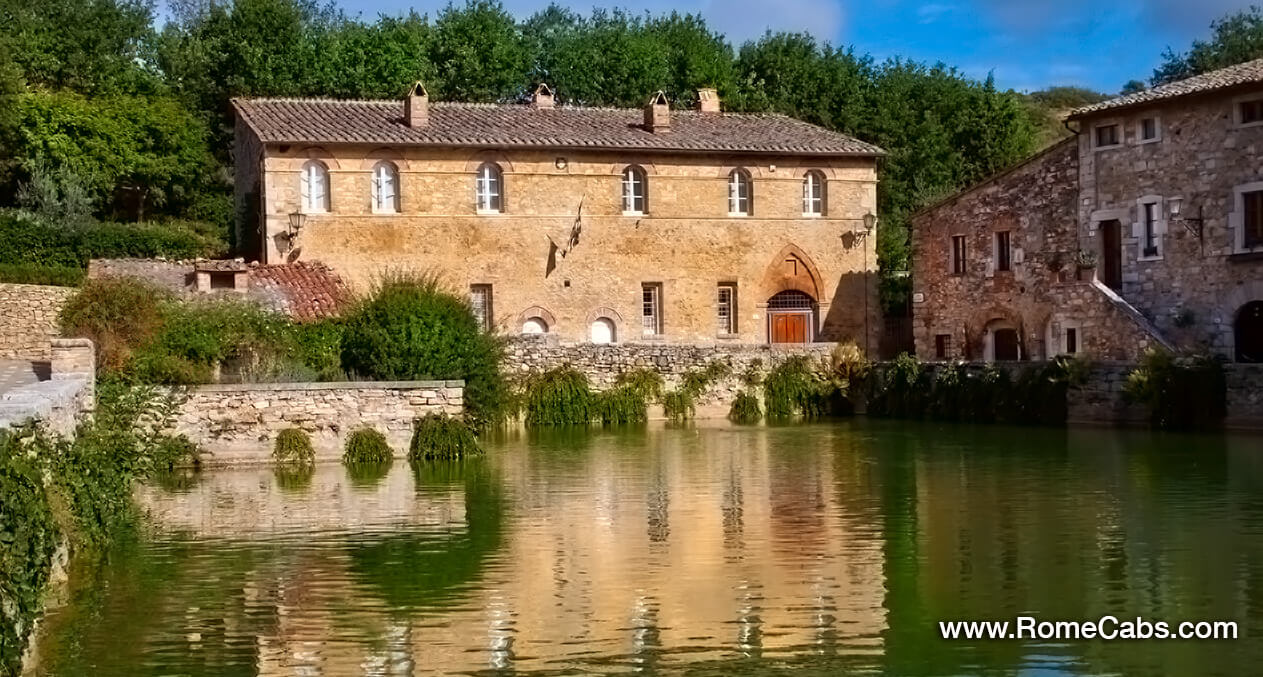
Encircling the thermal pool is a collection of historic stone buildings that add to the village’s unique charm. These include traditional inns, quaint taverns, and the ancient Church of San Giovanni Battista. The architecture, with its rustic stone facades and timeless elegance, enhances the atmosphere of serenity and historical significance. The buildings create a picturesque setting, reflecting the village’s medieval past while serving as a backdrop for the thermal pool’s beauty.
The steam rising from the warm waters of the pool often creates a mystical, ethereal ambiance, particularly during the cooler months when the contrast between the hot water and the crisp air is most pronounced. This natural phenomenon adds to the pool’s allure, evoking a sense of ancient tranquility and mystique.
While bathing is not permitted in the central thermal pool, visitors are nonetheless captivated by its historical grandeur and the captivating sight of the steaming waters. The pool stands as a testament to Bagno Vignoni’s enduring legacy, offering a glimpse into its storied past and continuing to enchant those who come to experience its timeless charm.
.
.
.
Thermal Spas and Wellness Centers
.
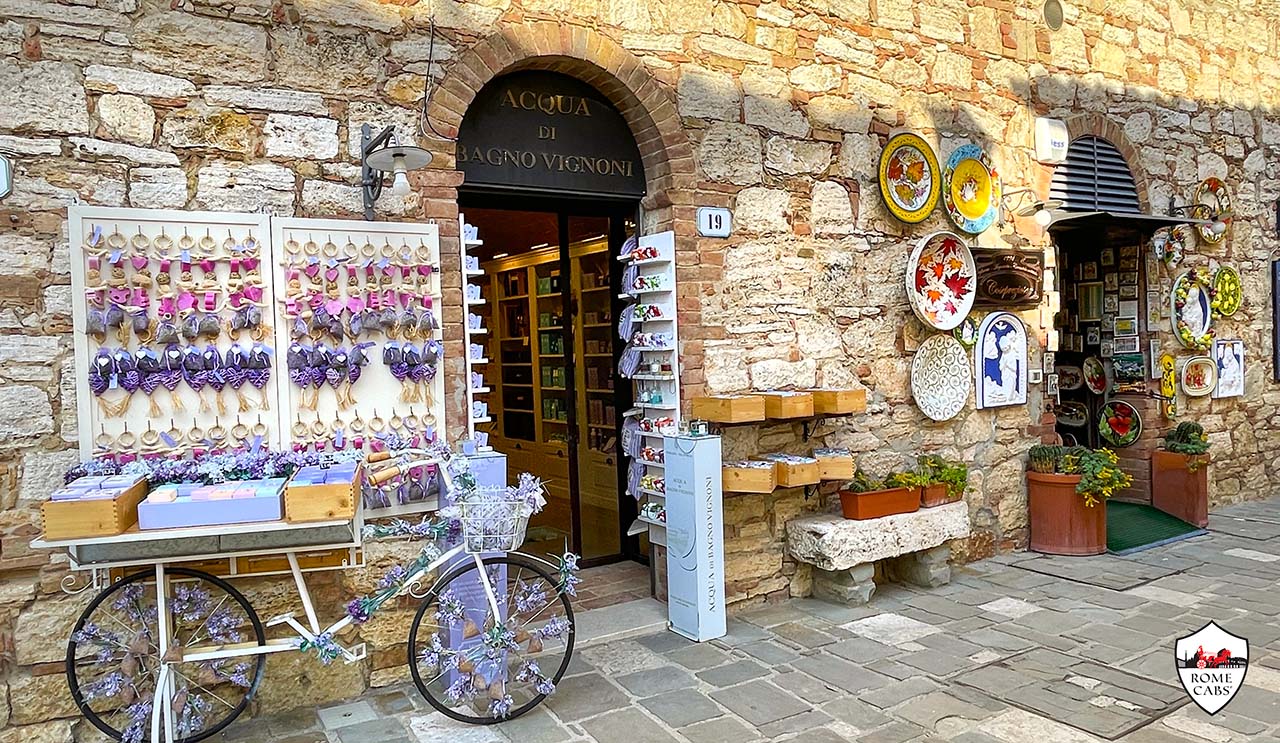
While you cannot bathe in the central pool, Bagno Vignoni offers several modern thermal spas and wellness centers where visitors can relax and enjoy the therapeutic benefits of the mineral-rich waters. These establishments provide a range of treatments and facilities, including thermal pools, hydrotherapy, massages, and beauty treatments. Some of the most notable spas include:
.
Hotel Posta Marcucci
One of the most renowned establishments in Bagno Vignoni, Hotel Posta Marcucci boasts an extensive spa and wellness center. Guests can enjoy indoor and outdoor thermal pools with varying temperatures, a panoramic terrace with stunning views of the Val d’Orcia, and a range of therapeutic treatments. The hotel’s tranquil and elegant setting makes it an ideal place for relaxation and rejuvenation.
.
Adler Thermae Spa & Relax Resort
Located just a short distance from the village center, Adler Thermae Spa & Relax Resort is a luxury spa that offers a comprehensive wellness experience. The resort features thermal pools, saunas, steam baths, and a variety of wellness treatments, including Ayurveda, hydrotherapy, and beauty treatments. The resort’s beautiful gardens and scenic views enhance the overall experience, making it a perfect retreat for those seeking both relaxation and indulgence.
.
.
Exploring Bagno Vignoni
.
In addition to its thermal baths, Bagno Vignoni offers a wealth of historical and natural attractions that invite exploration and discovery. The village’s unique layout and surrounding landscape provide a picturesque backdrop for leisurely strolls and outdoor activities.
.
Church of San Giovanni Battista
Overlooking the thermal pool, the Church of San Giovanni Battista is a charming medieval church that dates back to the 10th century. The church’s simple yet elegant architecture, with its stone facade and bell tower, adds to the village’s historic charm. Inside, visitors can find beautiful frescoes and religious artifacts that reflect the village’s spiritual heritage.
.

.
Parco dei Mulini
Just a short walk from the village center is the Parco dei Mulini (Park of the Mills), an area that showcases the ingenious use of the thermal waters for practical purposes. The park features four medieval mills that were powered by the thermal waters, providing a fascinating glimpse into the village’s historical use of its natural resources. The walking trails in the park offer scenic views of the surrounding countryside and the opportunity to explore the remnants of these ancient mills.
.
Have lunch or Dinner in Bagno Vignoni
.
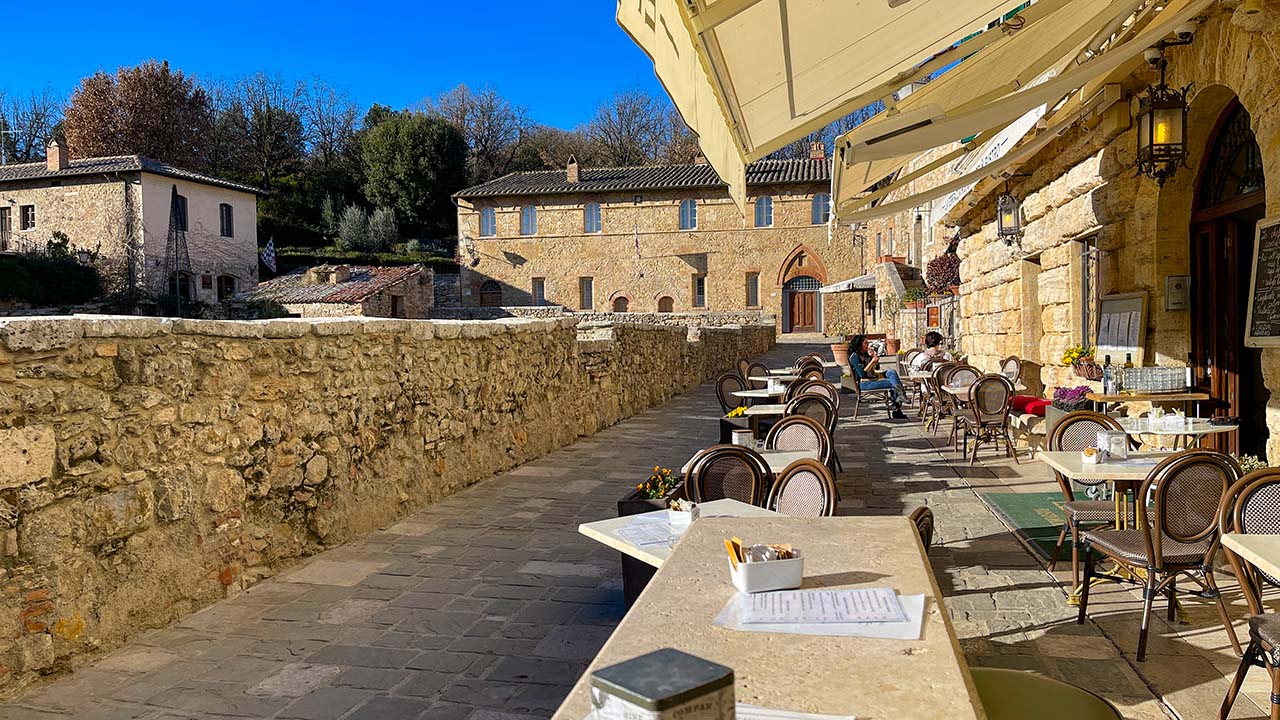
No visit to Bagno Vignoni would be complete without indulging in the local cuisine. The village and its surrounding area are known for their delicious Tuscan dishes, made with fresh, locally-sourced ingredients. Visitors can enjoy a variety of traditional foods, including handmade pasta, roasted meats, and seasonal vegetables, often accompanied by a glass of fine Tuscan wine.
.
.
.
Savor Local Tuscan Specialties:
Pici Pasta: A thick, hand-rolled pasta that is a staple of Tuscan cuisine. Pici is often served with rich sauces, such as wild boar ragu or garlic and tomato sauce, making it a hearty and satisfying dish.
Chianina Beef: This high-quality beef comes from the Chianina breed of cattle, which is native to the Val d’Orcia region. The meat is known for its tenderness and flavor, and it is often grilled or roasted to perfection.
Pecorino Cheese: Produced from sheep’s milk, Pecorino cheese is a popular Tuscan delicacy. It can be enjoyed fresh, aged, or in various dishes, adding a distinctive and delicious flavor to the local cuisine.
.
Practical Tips for Visiting Bagno Vignoni
.
Getting There: Bagno Vignoni is best reached by car, as public transportation options are limited. The village is located about 50 kilometers from Siena and 150 kilometers from Florence. Renting a car provides the flexibility to explore the surrounding area at your own pace.
Parking: There are several parking areas just outside the village center, as cars are not allowed in the historic core. From the parking areas, it’s a short walk into the village.
Best Time to Visit: The best time to visit Bagno Vignoni is during the spring and fall, when the weather is mild and the countryside is at its most beautiful. Summer can be hot and crowded, but it’s also the time when many local festivals take place in Tuscany, offering a lively experience.
.
.
.
Best Places in Tuscany to See Near Bagno Vignoni
.
While Bagno Vignoni itself is a treasure trove of historical and natural beauty, the surrounding region of Val d’Orcia offers an array of equally captivating sites that are well worth exploring. Here are some of the must-see places near Bagno Vignoni:
.
.
.
Pienza: The Ideal Renaissance Town
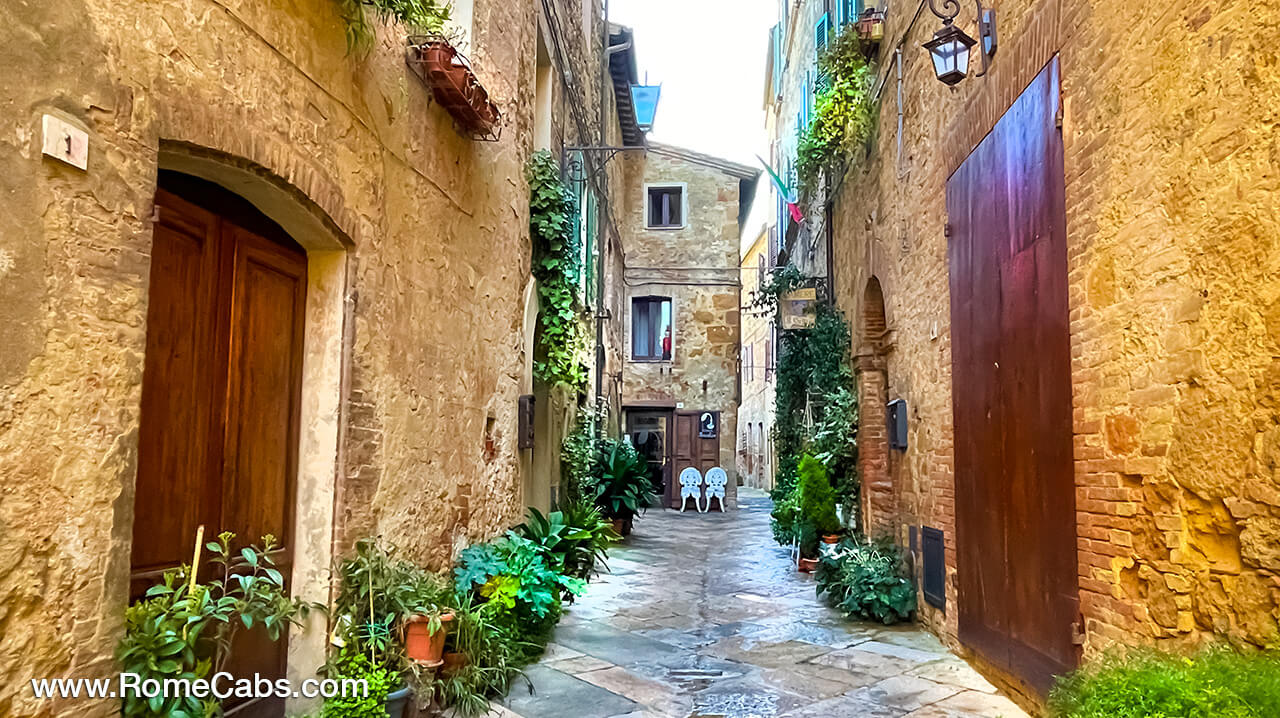
Just a short drive from Bagno Vignoni, Pienza is a UNESCO World Heritage Site renowned for its Renaissance architecture and charming streets. Commissioned by Pope Pius II in the 15th century, the town is a masterpiece of urban planning. Key attractions include Piazza Pio II, Palazzo Piccolomini, and the Cathedral of Santa Maria Assunta. Pienza is also famous for its Pecorino cheese, which visitors can sample in the local shops and markets.
.
.
San Quirico d’Orcia: A Blend of History and Nature
San Quirico d’Orcia, another gem in the Val d’Orcia, is known for its well-preserved medieval architecture and beautiful landscapes. Highlights include the Collegiata di San Quirico e Giulitta, a Romanesque church with stunning portals, and the Horti Leonini, a Renaissance garden perfect for a leisurely stroll. The nearby Chapel of Vitaleta, set amidst rolling hills and cypress trees, offers breathtaking views and photo opportunities.
.

.
Monticchiello: A Medieval Gem
Monticchiello is a small, picturesque village that exudes medieval charm. Visitors can wander through its narrow streets, admiring the ancient stone buildings and fortified walls. The Teatro Povero, a unique community theater, showcases local talent and adds to the village’s cultural appeal. Don’t miss the Church of Santi Leonardo e Cristoforo, which features beautiful frescoes and a serene atmosphere.
.

.
Montalcino: The Wine Lover’s Paradise
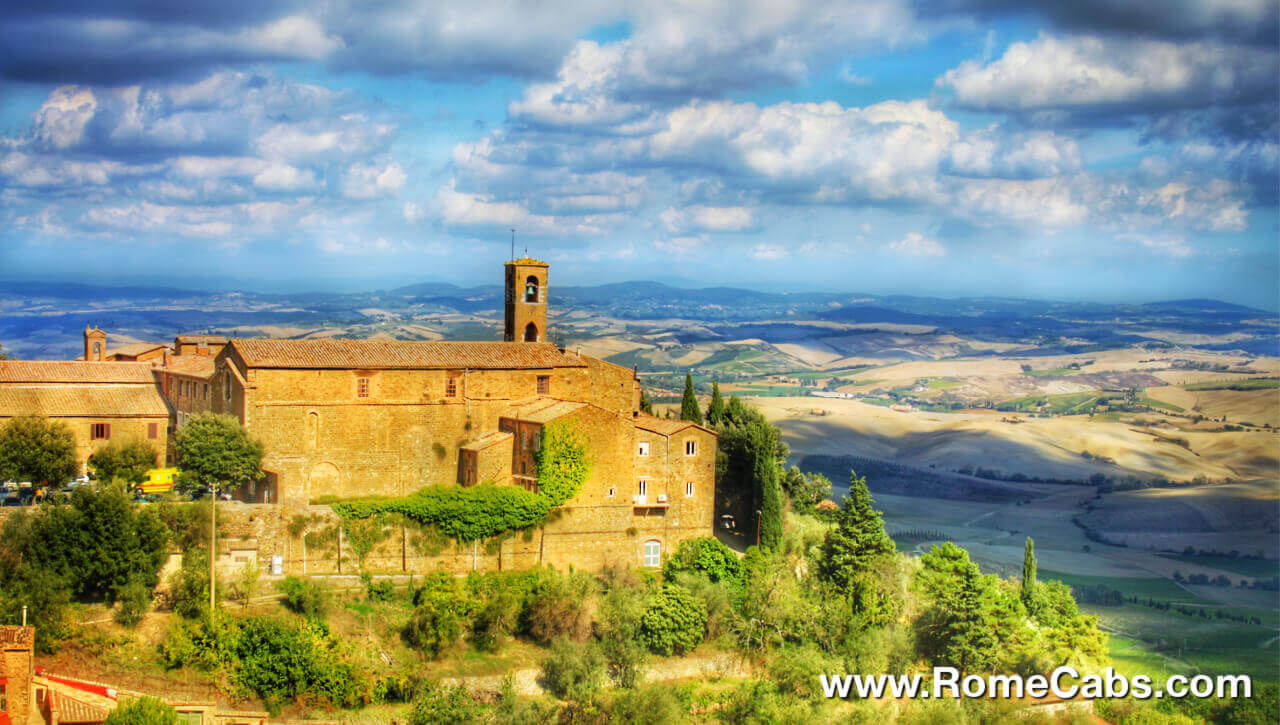
A visit to the Val d’Orcia region would be incomplete without a stop in Montalcino, famous for producing Brunello di Montalcino, one of Italy’s most prestigious wines. The town itself is perched atop a hill and offers panoramic views of the surrounding vineyards. Key sights include the imposing Fortezza di Montalcino, the historic town center, and numerous enotecas where visitors can taste and purchase local wines.
.
.
Montepulciano: Renaissance Splendor
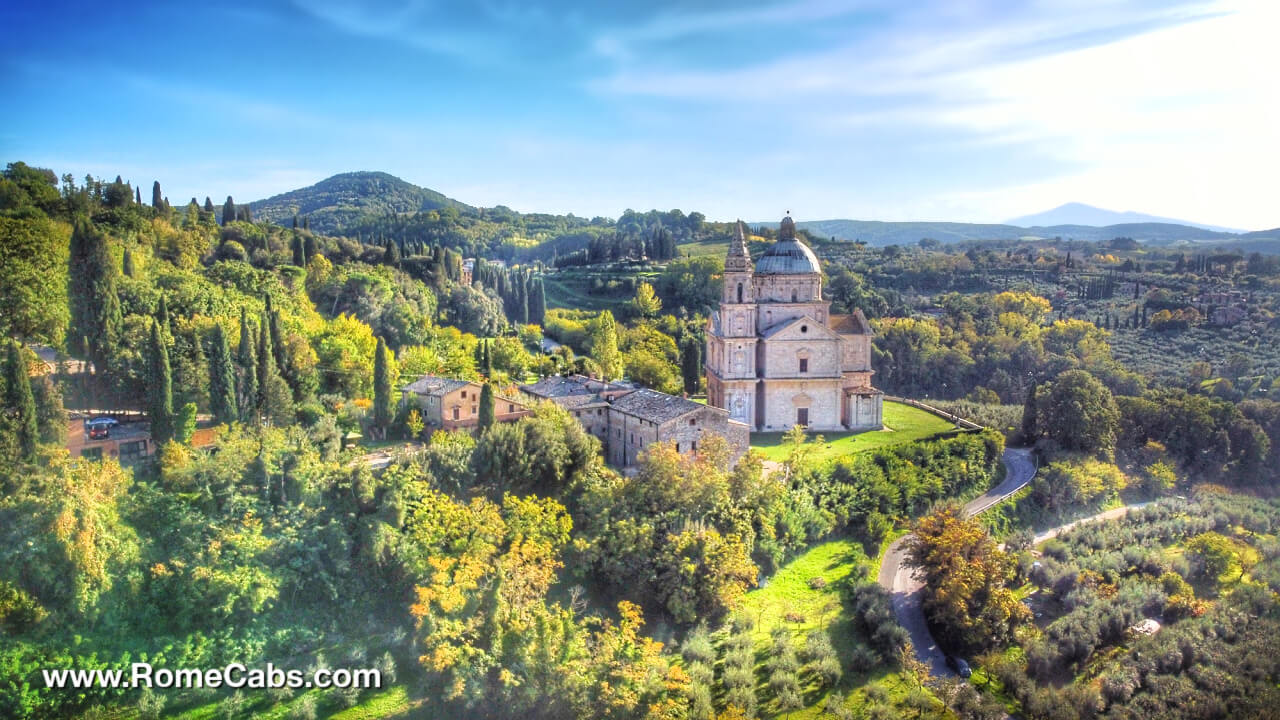
Montepulciano is a stunning hilltop town known for its Renaissance palaces, charming squares, and Vino Nobile wine. Visitors can explore the Piazza Grande, home to the Palazzo Comunale and the Cathedral of Santa Maria Assunta. The town’s narrow streets are lined with wine cellars and artisan shops, making it an ideal place for a leisurely afternoon of exploration.
.
.
The Abbey of Sant’Antimo: A Spiritual Haven
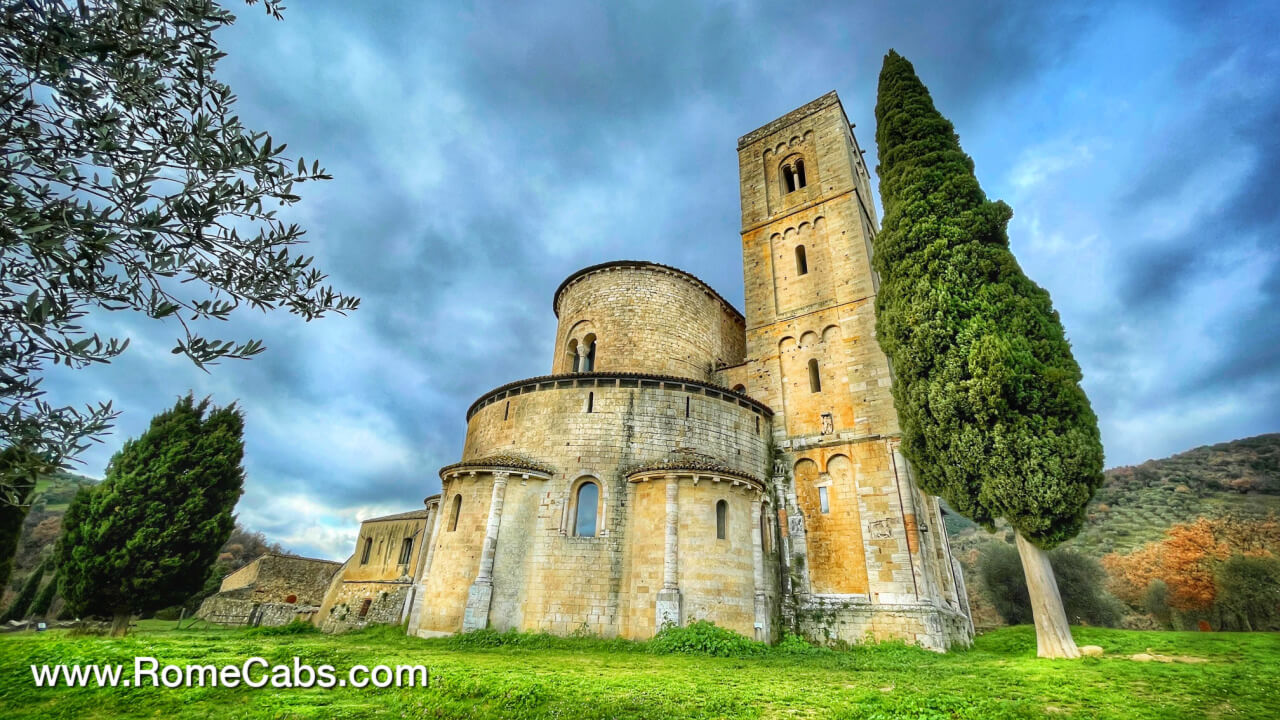
Located near Montalcino, the Abbey of Sant’Antimo is a stunning Romanesque church set in a tranquil valley. The abbey is renowned for its beautiful architecture, peaceful atmosphere, and the Gregorian chants performed by the resident monks. It’s a place of spiritual reflection and historical interest, ideal for those seeking a moment of serenity.
.
.
Bagno Vignoni is a tranquil haven that offers visitors a unique blend of history, natural beauty, and therapeutic relaxation. Whether you’re soaking in the thermal waters, exploring the picturesque village, or hiking through the scenic countryside, Bagno Vignoni promises an unforgettable experience. Its rich heritage, charming ambiance, and healing waters make it a highlight of any visit to Tuscany.
As you plan your travels in Tuscany, be sure to include Bagno Vignoni in your itinerary. Its serene atmosphere and restorative waters will leave you refreshed and rejuvenated, providing a perfect complement to the cultural and culinary delights of the region. Buon viaggio!
.
Find RomeCabs online also on:
- Facebook: https://www.facebook.com/RomeCabsToursAndTransfers
- RomeCabs Pinterest: https://www.pinterest.it/romecabs
- RomeCabs Twitter: https://twitter.com/RomeCabs
- RomeCabs Instagram: https://www.instagram.com/romecabs/
- RomeCabs Flickr Photos: https://www.flickr.com/photos/romecabs/
- RomeCabs Recommended on Cruise Critic
.
.
.
.
.
.
.

 RomeCabs Blog Italy - Italy Private Excursions, Rome Tours, Civitavecchia Transfers
Leave a Reply