
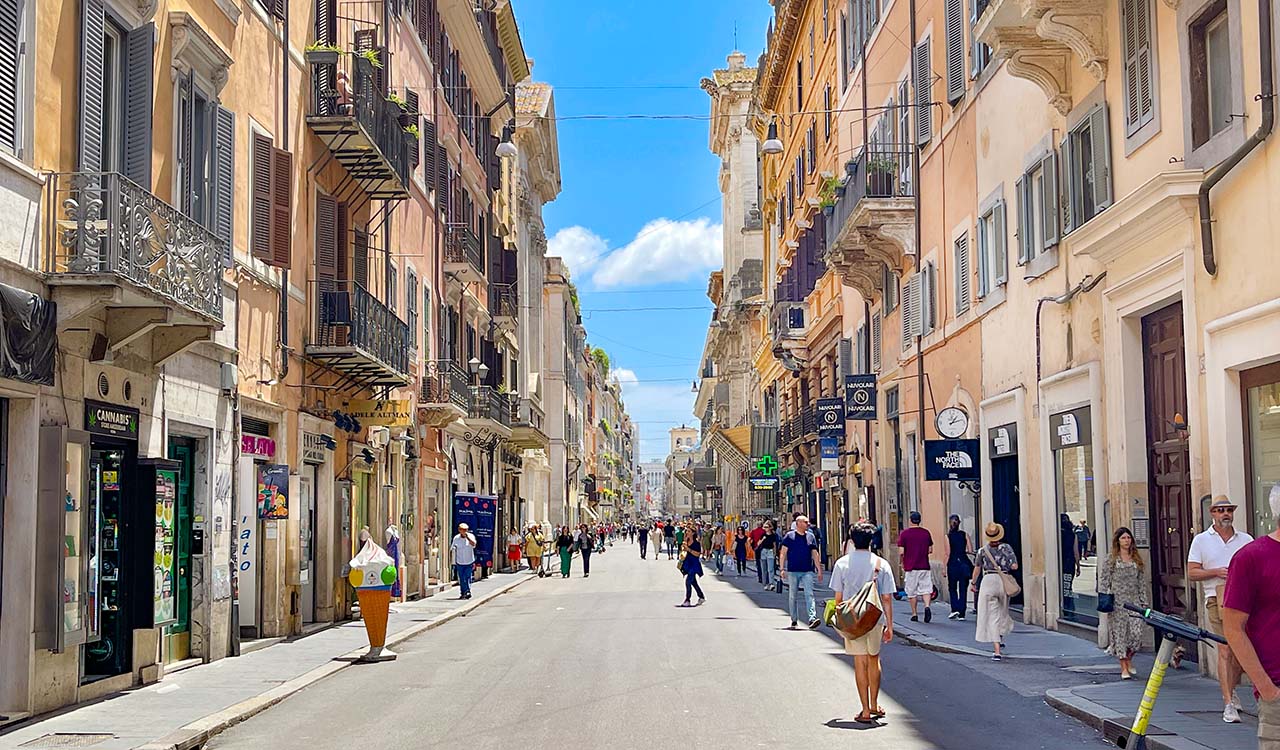
Buongiorno and welcome to the RomeCabs Travel Blog! If you’re seeking to experience the Heart of Shopping and La Dolce Vita in Rome, look no further than Via del Corso. This bustling and vibrant avenue, stretching approximately 1.5 kilometers from Piazza del Popolo to Piazza Venezia, offers one of the city’s most iconic shopping experiences.
Known for its straight path cutting through Rome’s otherwise winding alleys and charming piazzas, Via del Corso provides a dynamic shopping environment paired with historical significance. Its rich history mirrors the evolution of Rome itself, making it a perfect destination to immerse yourself in the blend of modern urban life and classic Roman charm. Explore Via del Corso and indulge in a quintessential Roman shopping experience while embracing the essence of La Dolce Vita.
.
The History of Via del Corso in Rome
.
The story of Via del Corso begins in the 3rd century BC, with the construction of the Via Flaminia by Gaius Flaminius, a Roman censor. This road was a vital link between Rome and the Adriatic Sea, facilitating trade and military movement to the north.
Originally starting at Porta Fontinalis near present-day Piazza Venezia, the Via Flaminia traversed the expansive Campo Marzio, or Field of Mars, which served as a military training ground and was dotted with tombs akin to the Appian Way. As Rome expanded, this road became the foundation upon which Via del Corso would later be established.
The area around the road underwent significant urbanization during the late Republic and early Imperial periods. As the city grew northward, monumental public structures began to line the road, most notably the Mausoleum of Augustus and other dynastic monuments.
This stretch of the Via Flaminia eventually became known as Via Lata, or “Broad Way“, due to its relative width in comparison to the narrower lanes that characterized much of ancient Rome. It served as a major urban spine, accommodating not only traffic but also the social and political life of the city.
.

.
.
Via del Corso Through the Ages from Ancient Rome to Baroque
.
As Rome transitioned from the classical era into the medieval period, Via Lata marked the boundary of the city’s main developed area, which primarily extended to the south and east. During this time, it became an important center for charitable activities, housing a welfare center connected to the granaries at its southern end. It also saw the construction of significant medieval landmarks, such as the hospital San Giacomo degli Incurabili, built in 1339.
By the 15th century, the street began to evolve into Via del Corso, named after the “corsa dei barberi“, a thrilling horse race that formed a central part of the Roman Carnival. This event, which featured riderless horses racing from Piazza del Popolo to Piazza Venezia, captivated the populace and embedded the street in the social fabric of Renaissance Rome. The Via del Corso thus became synonymous with excitement and public spectacle, reflecting the city’s vibrant cultural life.
During the Renaissance and Baroque periods, Via del Corso underwent significant changes. It became a fashionable street for the construction of new churches and palaces, reflecting the growing power and wealth of the Roman aristocracy. Despite this, by the mid-17th century, the street remained a mix of architectural styles and scales, with many buildings incomplete or lacking in uniformity.
Pope Alexander VII, recognizing the street’s potential as a prestigious urban space, embarked on an ambitious project to regularize and enhance its appearance. His efforts included persuading noble families to complete their properties and encouraging the construction of facades for the unfinished churches. More drastically, he empowered the maestri di strade—the city’s street masters—to demolish, acquire, or alter buildings that disrupted the street’s alignment. This led to the removal of the ancient Arco di Portogallo, a triumphal arch that narrowed the road, to create a more uniform and grand boulevard.
Alexander VII’s urban reforms extended to the area around Piazza Colonna, midway along Via del Corso. The Chigi family, under his guidance, acquired and renovated Palazzo Aldobrandini, turning it into the grand Palazzo Chigi. Additionally, the two Baroque churches, Santa Maria dei Miracoli and Santa Maria in Montesanto, were constructed at Piazza del Popolo to create a visually stunning gateway into the city. These churches, along with the redesign of Piazza del Popolo and the reworking of Porta del Popolo, formed part of a broader plan to impress visiting dignitaries and reflect Rome’s grandeur.
.
.
.
Via del Corso in the Modern Era
.
The modern era brought further changes to Via del Corso. Following the assassination of King Umberto I in 1900, the street was briefly renamed Corso Umberto I, a name it retained until 1944 when it was changed to Corso del Popolo. In 1946, it reverted to its historic name, Via del Corso. Today, it remains a key thoroughfare in Rome, continuing to evolve while retaining its rich historical layers.
Despite the advent of modern traffic, the northern portion of Via del Corso has become a pedestrian-friendly zone, reflecting its ongoing role as a popular location for the passeggiata, the traditional Italian evening stroll. This transformation is a testament to the street’s enduring importance as a social and cultural gathering place, where locals and tourists alike come to see and be seen, shop, and enjoy the unique ambiance of Rome.
.

.
.
A Shopper’s Paradise in Rome: What to Expect
.
Via del Corso is renowned for its diverse array of shops that cater to a wide variety of tastes and budgets. As you stroll down this vibrant street, you’ll encounter a seamless fusion of modern trends and timeless elegance, making it a prime location for shopping in Rome. The street is lined with an impressive range of retail options, from global fashion giants like Zara, H&M, Nike, and Adidas to beloved brands such as Calzedonia, Benetton, and others. This mix of international and local stores ensures that every shopper can find something to suit their style, whether it’s the latest fashion trend or a classic, timeless piece.
For those with a keen eye for fashion, Via del Corso is a dream come true. High-end boutiques and popular high street stores offer everything from chic, contemporary clothing to elegant, formal wear. The street also boasts an excellent selection of accessory and footwear stores. Renowned brands such as Foot Locker, Geox, and Bata are interspersed with boutique shops specializing in handcrafted Italian leather goods. These artisanal boutiques are particularly notable for their exquisite collections of bags, shoes, belts, and accessories, all crafted with the impeccable quality and attention to detail for which Italian artisans are famous.
.
Tourist-Friendly Shops and Local Charm
In addition to the mainstream and luxury brands, Via del Corso is also home to a variety of shops that cater specifically to tourists. These range from souvenir stores offering quintessential Roman keepsakes like postcards, magnets, and miniature replicas of famous landmarks – los of souvenirs to bring back from Rome. In addition, you will also find specialty shops selling Italian-made goods such as leather products, ceramics, and jewelry. If you’re in the market for a unique memento of your trip to Rome, this street provides plenty of options to find a distinctive piece to take home.
.
Architectural and Cultural Landmarks along Via del Corso
.
As you stroll down Via del Corso, one of Rome’s most famous thoroughfares, you are walking through a vibrant mosaic of history, art, and culture. This bustling street, stretching from Piazza del Popolo to Piazza Venezia, is more than just a shopping destination—it is a journey through time, where ancient monuments stand alongside Baroque churches and elegant palaces. Along its length, Via del Corso offers a captivating array of landmarks that reveal Rome’s rich heritage.
Among the must-see sites is the Piazza Colonna, home to the ancient Column of Marcus Aurelius, a remarkable relic from Rome’s imperial past that stands tall as a testament to Roman engineering and storytelling. Nearby, you can step into the Galleria Alberto Sordi, a striking example of early 20th-century architecture, which combines Rome’s historical charm with contemporary shopping and dining.
For those drawn to religious history and architecture, Via del Corso does not disappoint. The street is adorned with top Rome churches such as the Church of San Carlo al Corso, known for its majestic Baroque design, and the Church of Santa Maria in Via Lata, which offers a glimpse into Rome’s ancient past with its crypt and beautiful façade. The Church of Gesù e Maria and the Church of San Giacomo in Augusta further enrich the spiritual landscape of the area, each boasting unique artistic treasures and a peaceful respite from the bustling street outside.
Art enthusiasts will be captivated by the Palazzo Doria Pamphili, a grand residence housing a world-renowned private art collection, showcasing masterpieces by Caravaggio, Velázquez, and other illustrious artists. Meanwhile, the Oratory of Santissimo Crocifisso offers an intimate setting filled with ornate Baroque decorations, providing a serene escape amidst the city’s energy. And don’t miss the Church of San Marcello al Corso, whose impressive façade and revered relics invite reflection and admiration.
Whether you are interested in exploring Rome’s ecclesiastical heritage, admiring architectural marvels, or simply enjoying a leisurely stroll through one of the city’s most dynamic streets, Via del Corso is an essential stop. Each landmark along this historic route tells its own story, inviting visitors to delve deeper into the rich cultural fabric of Rome.
.
What to see near Via del Corso: Explore More of Rome
.
One of the greatest advantages of spending time on Via del Corso is its strategic location in the heart of Rome, providing easy access to some of the city’s most famous historical and cultural attractions. This makes Via del Corso not just a premier shopping destination, but also an ideal starting point for a deeper exploration of Rome’s rich heritage.
.
Piazza del Popolo: The People’s Square in Rome
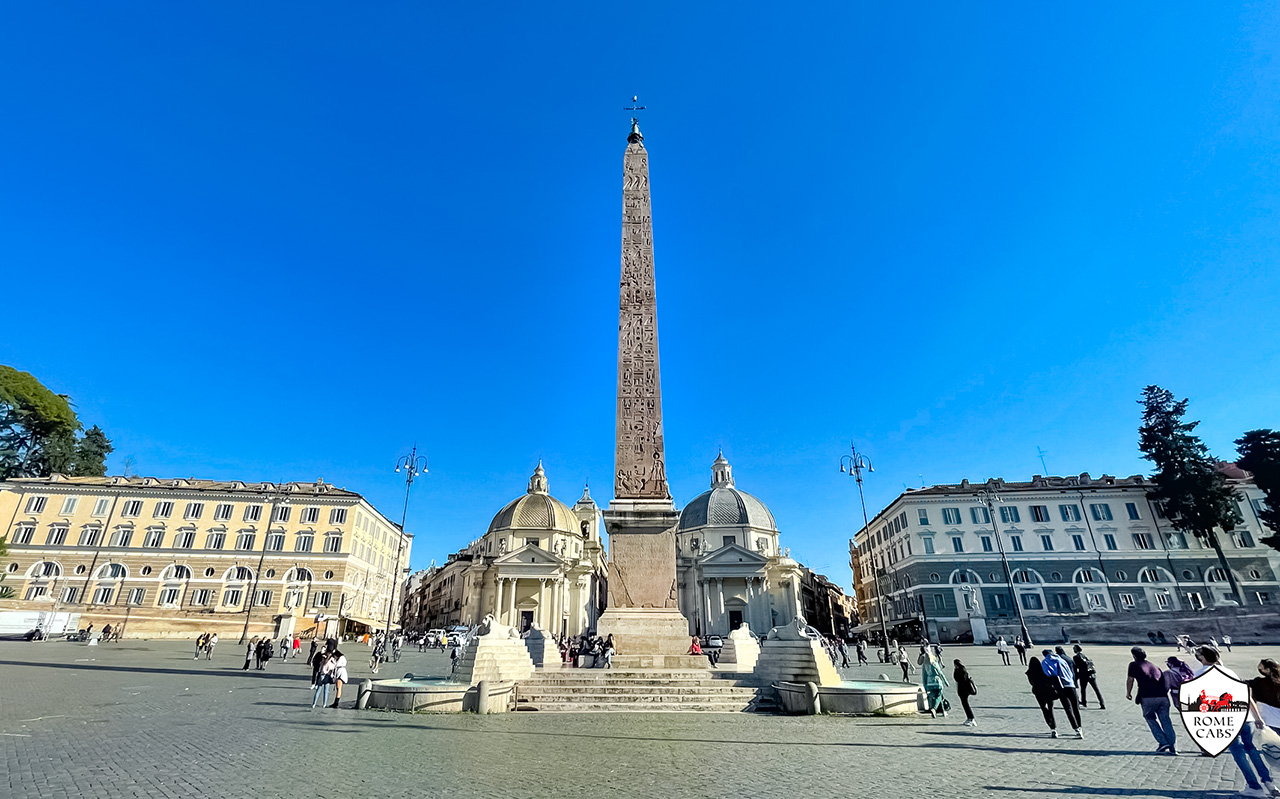
Located at the northern end of Via del Corso, Piazza del Popolo serves as a majestic gateway into Rome’s historic center and is one of the city’s most famous squares. The name “Piazza del Popolo” translates to “People’s Square,” though its name actually derives from the Church of Santa Maria del Popolo, which stands at the northeastern corner of the piazza. This expansive, elliptical square is steeped in history and offers visitors a captivating blend of architecture, art, and urban design.
.
.
One of the most striking features of Piazza del Popolo is the pair of nearly identical Baroque churches that frame the entrance to Via del Corso: Santa Maria dei Miracoli and Santa Maria in Montesanto. These “twin churches” were designed in the 17th century by Carlo Rainaldi, with later contributions by architects Gian Lorenzo Bernini and Carlo Fontana. Although they appear nearly identical at first glance, the churches have different layouts—one is circular, and the other is oval—due to the constraints of the site.
In the northeast corner of the piazza is the Church of Santa Maria del Popolo is another significant site worth exploring. This Renaissance church was built on the site of a Roman tomb, believed to be haunted by the ghost of Emperor Nero. The church was later expanded and adorned with beautiful artworks by some of the greatest Renaissance and Baroque artists, including Raphael, Bernini, Caravaggio, and Pinturicchio. Its interior boasts several chapels, each filled with exquisite frescoes, sculptures, and altarpieces, making it a must-see for art lovers visiting Rome.
.
Spanish Steps and Trinità dei Monti
Just a short stroll from the southern end of Via del Corso, visitors will encounter the iconic Spanish Steps. This famous landmark, consisting of 135 steps, connects Piazza di Spagna at the base with the Trinità dei Monti church at the top. Built in the early 18th century, the Spanish Steps have long been a popular meeting place and are particularly beautiful in spring when they are adorned with vibrant azaleas.
At the base of the steps lies the Fontana della Barcaccia, a charming Baroque fountain sculpted by Pietro Bernini, father of the more famous Gian Lorenzo Bernini. Climbing the steps rewards visitors with breathtaking panoramic views over Rome’s rooftops, making it a favorite spot for tourists and photographers alike.
.

.
.
Trevi Fountain
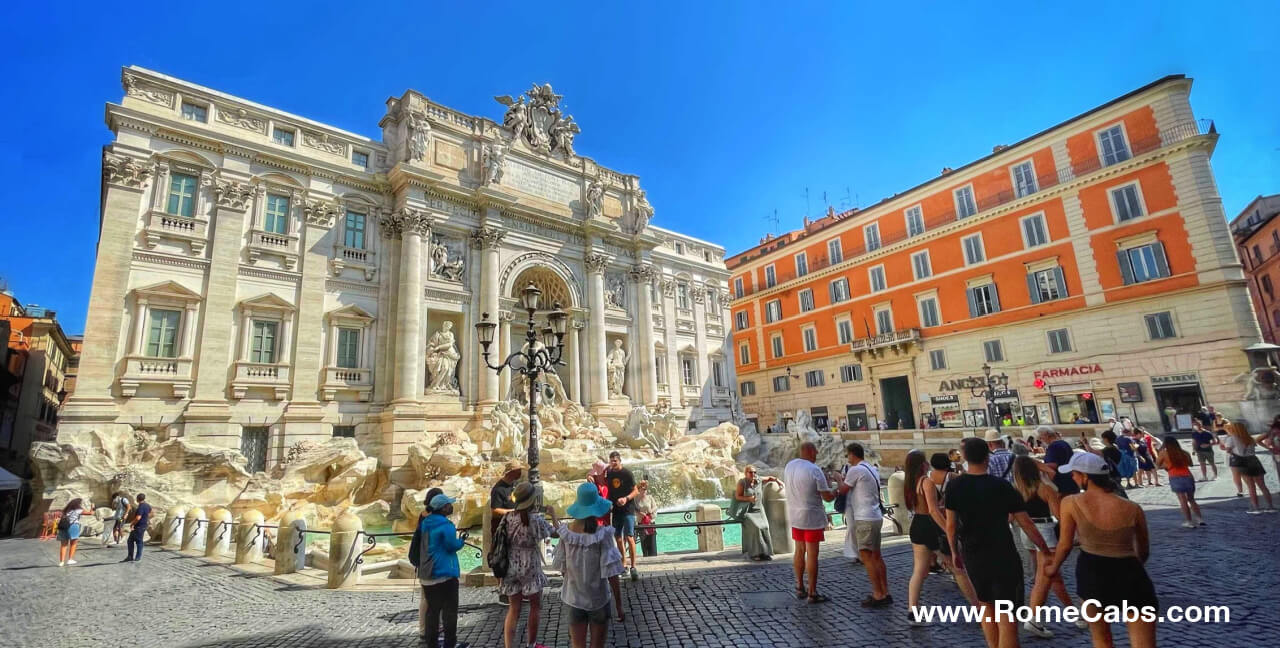
A short walk from Via del Corso, down winding cobblestone streets, leads to the Trevi Fountain, one of Rome’s most beloved landmarks. This stunning Baroque masterpiece, designed by Nicola Salvi in the 18th century and completed by Giuseppe Pannini, depicts Neptune, god of the sea, flanked by tritons and horses representing the taming of the waters.
The fountain’s grandeur and intricate details are a sight to behold, especially when illuminated at night. Visitors from around the world gather here to partake in the famous tradition of tossing a coin over their left shoulder into the water—a ritual believed to ensure their return to Rome. The sound of cascading water combined with the fountain’s dramatic architecture creates an enchanting atmosphere that captures the magic of the Eternal City.
.
.
.
Pantheon and Piazza Navona
Another nearby attraction easily accessible from Via del Corso is the Pantheon, a marvel of ancient Roman engineering and one of the best-preserved Roman buildings in the world. Originally built as a temple to all gods, the Pantheon boasts a massive dome with a central oculus that opens to the sky, allowing natural light to flood the interior.
The building’s harmonious proportions and architectural brilliance have inspired architects for centuries. Just a short walk from the Pantheon is Piazza Navona, a vibrant square famous for its beautiful fountains, including the Fountain of the Four Rivers by Bernini, lively street performers, and charming cafes that offer a taste of Rome’s culinary delights.
.

.
.
Piazza Venezia and the Vittoriano
Further along Via del Corso, visitors arrive at Piazza Venezia, one of Rome’s most significant squares. Dominating the square is the Vittoriano, also known as the Altar of the Fatherland. This monumental building, dedicated to King Victor Emmanuel II, the first king of a unified Italy, is an impressive example of neoclassical architecture with its massive white marble facade, grand staircases, and towering columns. Inside, the monument houses the Tomb of the Unknown Soldier, a solemn tribute to Italy’s fallen soldiers.
The Vittoriano also offers a panoramic terrace, accessible by an elevator, providing sweeping views over Rome’s historic center, including the Roman Forum and the Colosseum. The vantage point offers a unique perspective of the city’s ancient and modern layers, making it a must-visit for history buffs and photography enthusiasts.
Please NOTE that currently, Piazza Venezia is undergoing major construction for a Metro Line. The construction is expected to last several years rendering the square to look more like a “construction site” during this time.
.

.
Via del Corso is more than just a premier shopping street; it is a gateway to Rome’s most treasured historical and cultural sites. From the elegance of the Spanish Steps to the grandeur of the Trevi Fountain, from the sweeping views atop the Vittoriano to the ancient ruins of the Roman Forum and Colosseum, there is no shortage of landmarks to explore near Via del Corso.
Whether you are interested in history, architecture, or simply soaking up the vibrant atmosphere of Rome, this central avenue offers an ideal blend of modern amenities and historical charm, making it a perfect starting point for any exploration of the Eternal City.
.
Find RomeCabs online also on:
RomeCabs Facebook: https://www.facebook.com/RomeCabsToursAndTransfers
RomeCabs Pinterest: https://www.pinterest.it/romecabs
RomeCabs Twitter: https://twitter.com/RomeCabs
RomeCabs Instagram: https://www.instagram.com/romecabs/
RomeCabs Flickr Photo Gallery: https://www.flickr.com/photos/romecabs/
Rome Cabs Recommended on Cruise Critic
.
.
.
.

.
.
.
.
 RomeCabs Blog Italy - Italy Private Excursions, Rome Tours, Civitavecchia Transfers
Leave a Reply