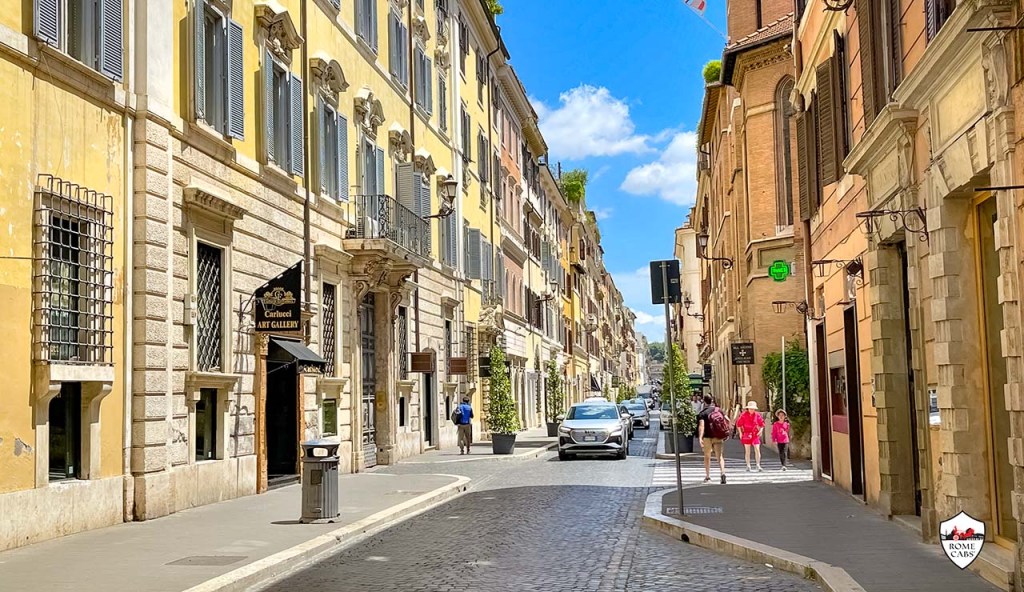
Buongiorno and welcome to the RomeCabs Travel Blog! In the heart of Rome, Via del Babuino emerges as Rome’s hidden gem for luxury shopping and culture. Stretching elegantly from the historic Piazza del Popolo to the iconic Piazza di Spagna, Via del Babuino is a prominent feature of Rome’s upscale Tridente district. This charming street is renowned for its serene and sophisticated atmosphere, providing a refined alternative to the bustling retail streets of the Eternal City.
Known for its exquisite boutiques, art galleries, and cozy cafes, Via del Babuino offers a unique opportunity to experience luxury shopping and cultural exploration in Rome. Join us as we explore the rich history, luxury shopping experiences, and nearby attractions that make Via del Babuino a quintessential destination in Rome’s vibrant cultural landscape.
.
History of Via del Babuino: How it Got Its Name
.
Via del Babuino boasts a rich and varied history that reflects the city’s evolving urban landscape. Its origins trace back to the 13th century, and over the centuries, the street has undergone several transformations, each contributing to its unique character and charm.
The origins of Via del Babuino date back to the medieval period. Originally known as Via dell’Orto di Napoli, the street was named after a property associated with the Neapolitan Monastery of the Holy Cross. This early designation hints at a time when the area was more rural and less developed, serving as a local thoroughfare connecting various parts of the city.
As the city of Rome grew, so did the importance of its streets. The name Via del Cavalletto later replaced the earlier designation, reflecting the street’s evolving role in the urban landscape. During this period, the street began to take on a more structured form, paving the way for future developments.
The early 16th century marked a significant transformation for Via del Babuino. In 1525, Pope Clement VII commissioned substantial works to enhance and extend the street. These changes were part of a broader effort to improve Rome’s infrastructure and public spaces, reflecting the Renaissance spirit of urban renewal and grandeur. In honor of Pope Clement VII’s contributions, the street was renamed Via Clementina.
However, this new name was short-lived. By 1540, under the influence of Pope Paul III, the street underwent further renovations and was subsequently renamed Via Paolina. These changes continued the trend of renaming streets to honor prominent figures and reflect the evolving political landscape of the city.
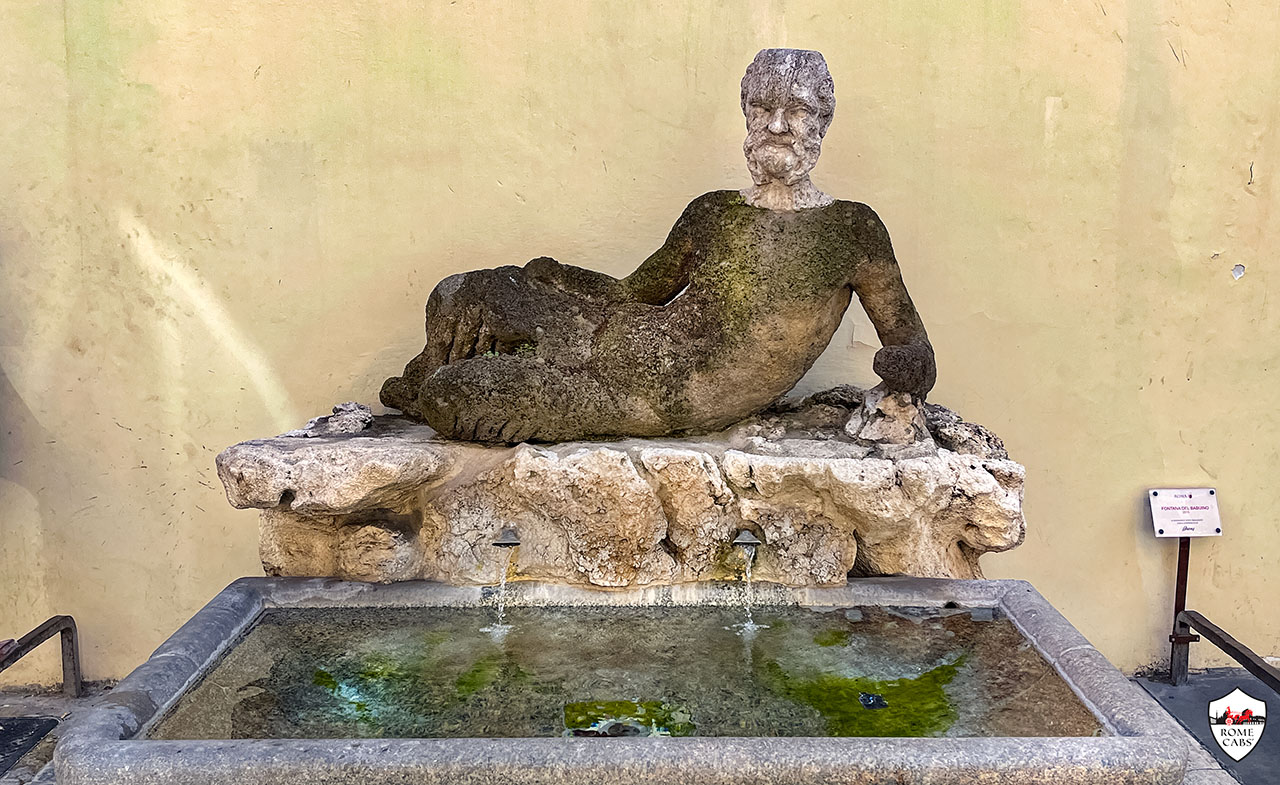
The pivotal moment for Via del Babuino came in 1571 with the initiative of Pope Pius V. During this period, a new public fountain was installed along the street to improve the availability of fresh water for the local residents. This fountain was accompanied by the placement of a statue of Silenus, an ancient classical deity associated with springs and fountains.
The statue of Silenus, however, quickly gained notoriety for its unappealing appearance. The local populace, finding the statue’s visage reminiscent of a baboon, began referring to it as Babuino, a Romanesco term meaning “baboon“. The nickname, initially used to describe the statue, gradually came to represent the entire street. The name stuck, and Via del Babuino has retained this moniker ever since.
Discover the intriguing story behind the quirky “talking statue in Rome” that gave Via del Babuino its distinctive name.
.
The “Talking” Statue of Babuino: From Infamy to Charm
.
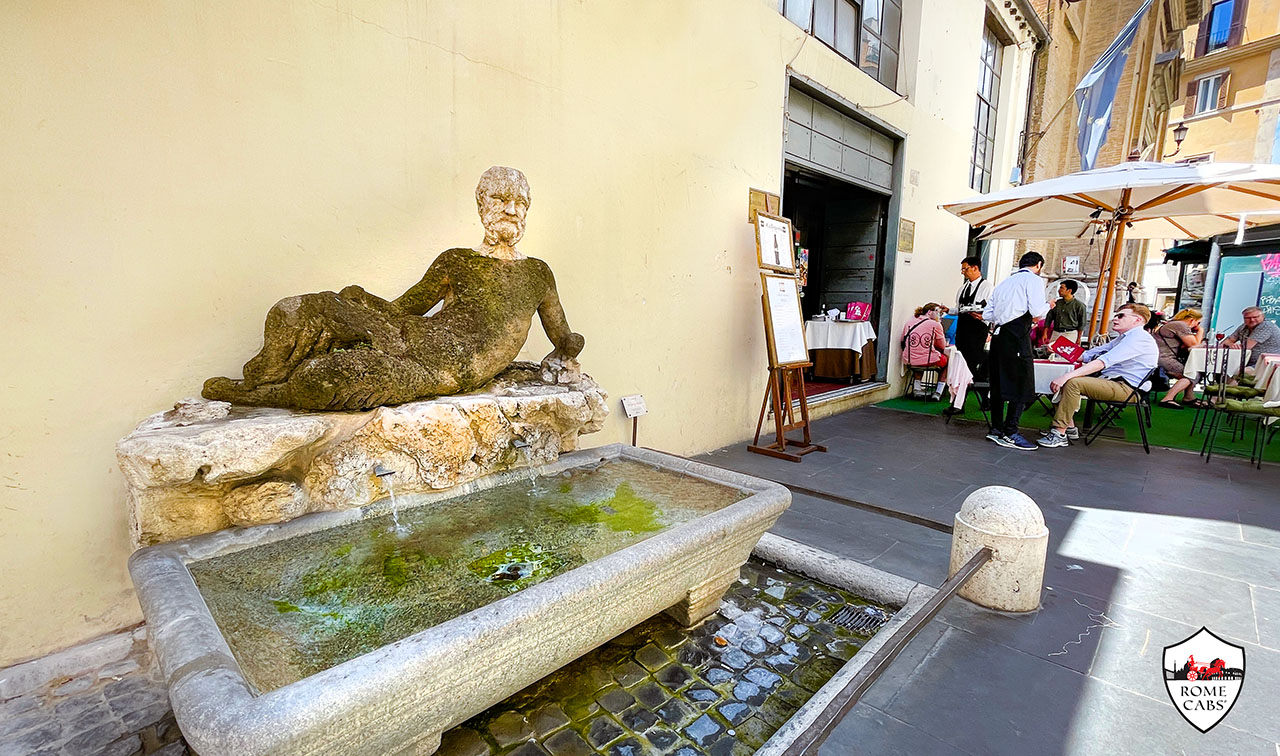
Although the Statue of Babuino may not receive as much attention as Rome’s more famous landmarks, it remains a unique attraction for those interested in the city’s rich history and quirky traditions. Positioned on the façade of a building along Via del Babuino, the statue is often overlooked by hurried tourists but is cherished by locals and those who appreciate Rome’s deeper cultural layers.
.
.
The Statue of Babuino is considered one of Rome’s six “talking statues”—a group of ancient statues that have been used by locals as a public platform for political satire and social commentary since the 16th century. These statues, which also include Pasquino, Madama Lucrezia, Marforio, Abate Luigi, and Facchino, became famous for the anonymous notes or “pasquinades” that were posted on them, often mocking the ruling authorities and expressing the sentiments of the common people.
As mentioned above, the statue of Babuino represents Silenus, a companion of the wine god Dionysus in Roman mythology. Silenus is often depicted as a jovial, drunken old man with the features of a satyr, having a pot-bellied and somewhat grotesque appearance. This particular statue was found in the 16th century and placed in front of a fountain. As mentioned above, its name, “Babuino” meaning “baboon” in Italian, was given by locals who thought the statue’s appearance resembled a monkey rather than a mythological figure.
The statue’s unique, somewhat unattractive look led to it becoming a source of humor for Romans, who began posting witty and sometimes biting critiques of political leaders and societal issues at the statue’s base.
.
.
Luxury Shopping on Via del Babuino: The Best Boutiques and High-End Fashion in Rome
.
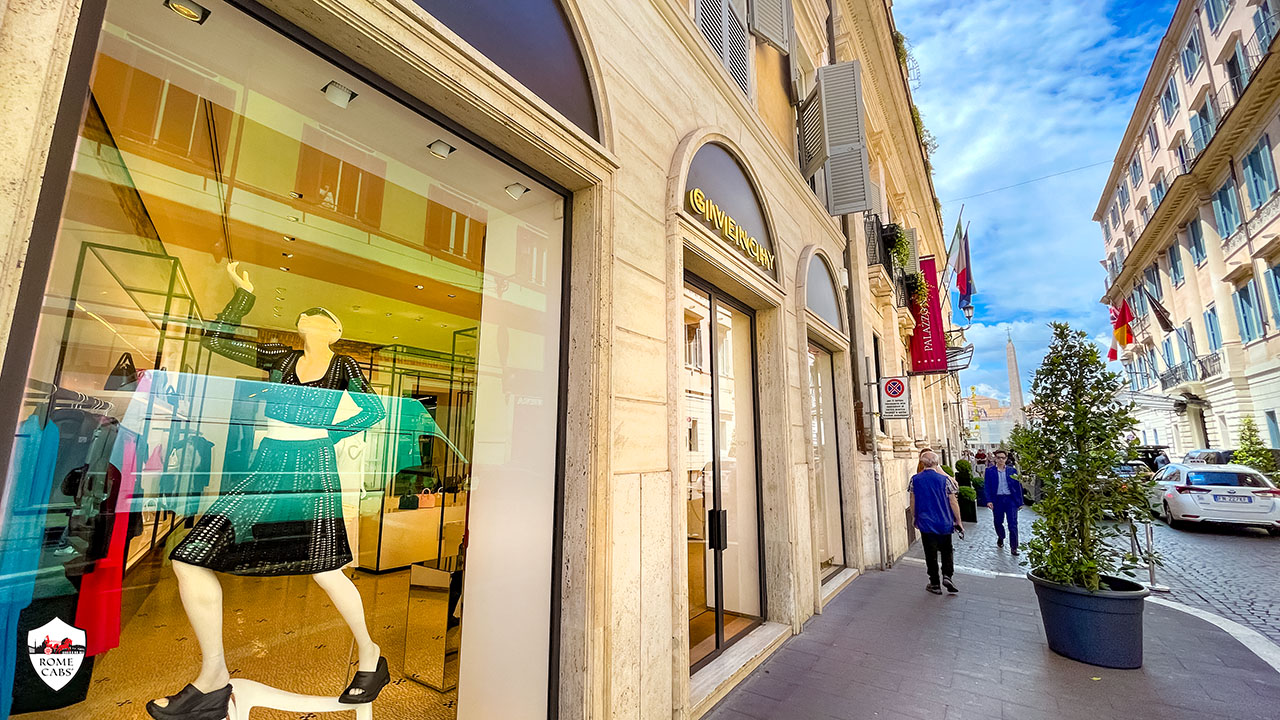
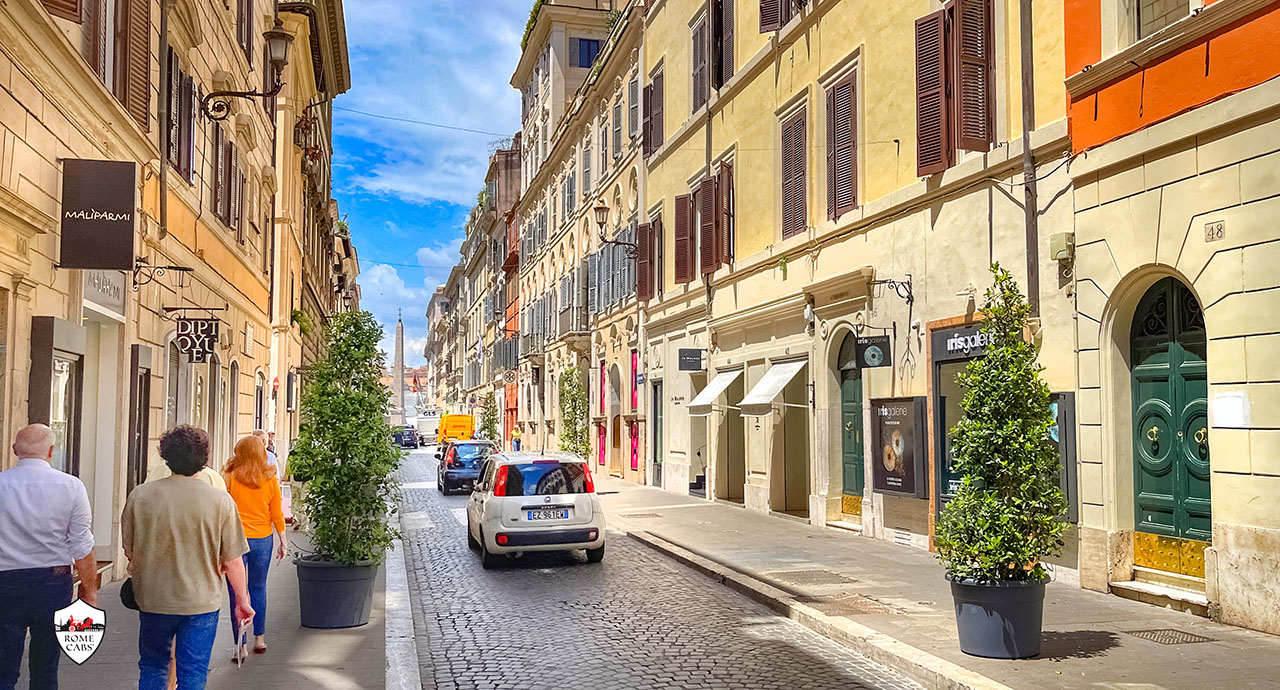
For fashion enthusiasts, Via del Babuino is a treasure trove of high-end boutiques and designer stores that cater to discerning tastes. The street is lined with a variety of prestigious fashion houses, each offering something unique:
Brioni: Known for its luxurious menswear, Brioni is a must-visit for those seeking impeccably tailored suits and premium accessories. The boutique exemplifies Italian craftsmanship and timeless style, making it a favorite among sophisticated shoppers.
Gente Roma: This fashion-forward boutique features a curated selection of contemporary fashion from both established and emerging designers. Known for its trendy and exclusive collections, Gente Roma is perfect for those looking for unique pieces that make a statement.
Moschino: With its bold and whimsical designs, the Moschino boutique offers a range of clothing, accessories, and footwear that reflect the brand’s distinctive and eclectic style. It’s a haven for those who enjoy a playful approach to fashion.
Sandro Ferrone: This Italian brand is celebrated for its versatile and affordable fashion, offering a variety of stylish and chic apparel for women. From casual wear to more formal pieces, Sandro Ferrone caters to those looking for fashionable yet accessible options.
Pinko: Known for its vibrant designs and modern, feminine styles, Pinko provides a wide range of clothing and accessories that blend creativity with the latest fashion trends. It’s a popular choice for contemporary women’s fashion.
Givenchy: Bringing French luxury to Rome, the Givenchy boutique on Via del Babuino offers an elegant collection of haute couture, ready-to-wear, and accessories. With its sophisticated and edgy designs, Givenchy provides a refined shopping experience for those seeking high-end fashion.
.
.
Chanel: The iconic Chanel boutique is a must-visit for those who appreciate timeless elegance and luxury. Here, you can explore a selection of classic and contemporary collections, including ready-to-wear, handbags, shoes, and accessories.
Miu Miu: A sister brand to Prada, Miu Miu offers a youthful and playful take on luxury fashion. The store features a range of stylish apparel, bags, shoes, and accessories that cater to a younger audience with a penchant for bold and unconventional designs.
Creed: Known for its luxurious and handcrafted fragrances, the Creed boutique on Via del Babuino is a haven for perfume enthusiasts. The store offers a wide selection of the brand’s iconic scents, crafted from the finest ingredients, providing a sensory experience that embodies sophistication and elegance.
.
.
.
Cafes along Via del Babuino: Where to Relax and Refuel
.
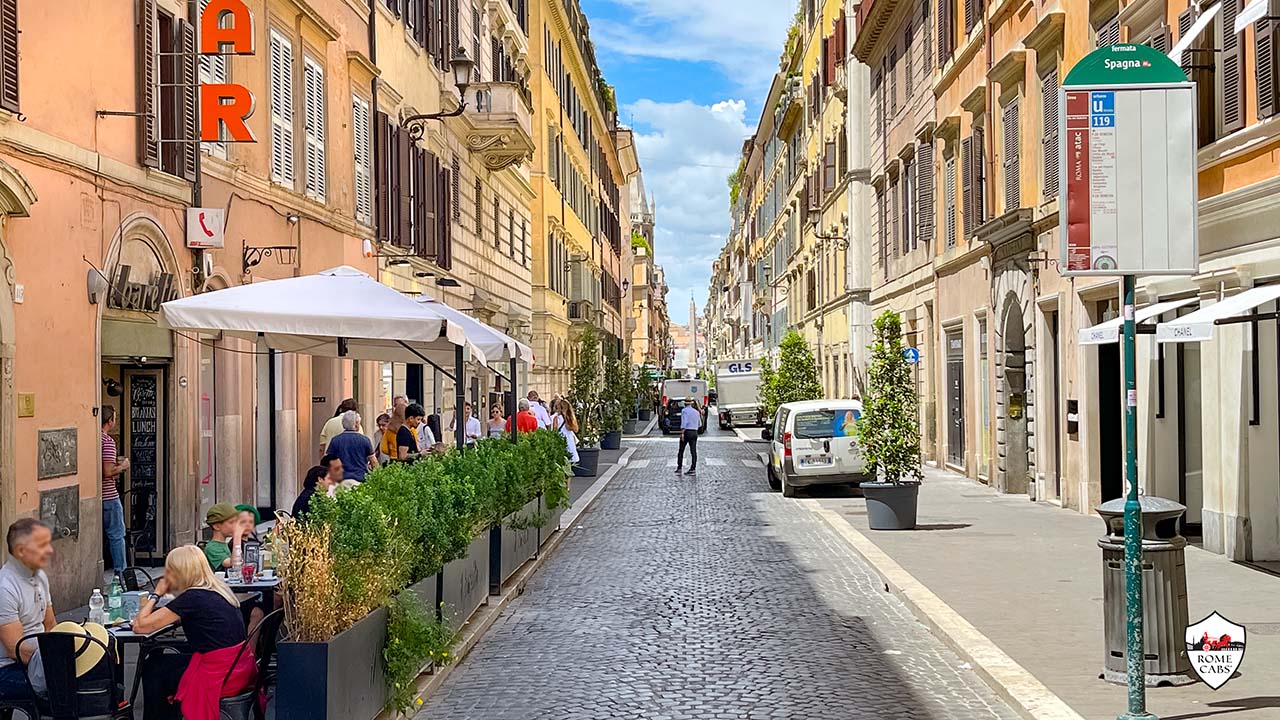
After a day of shopping, visitors can relax at one of the charming cafes or eateries along Via del Babuino. Enjoy a cup of espresso or a glass of fine Italian wine while soaking in the street’s elegant ambiance.
Popular spots include Caffè Canova-Tadolini, a unique cafe and sculpture gallery that offers a delightful blend of art and refreshments, and Babuino 181, a chic boutique hotel with a rooftop terrace that provides stunning views of the surrounding area.
.
.
.
Discover the Charm of Nearby Via Margutta
.
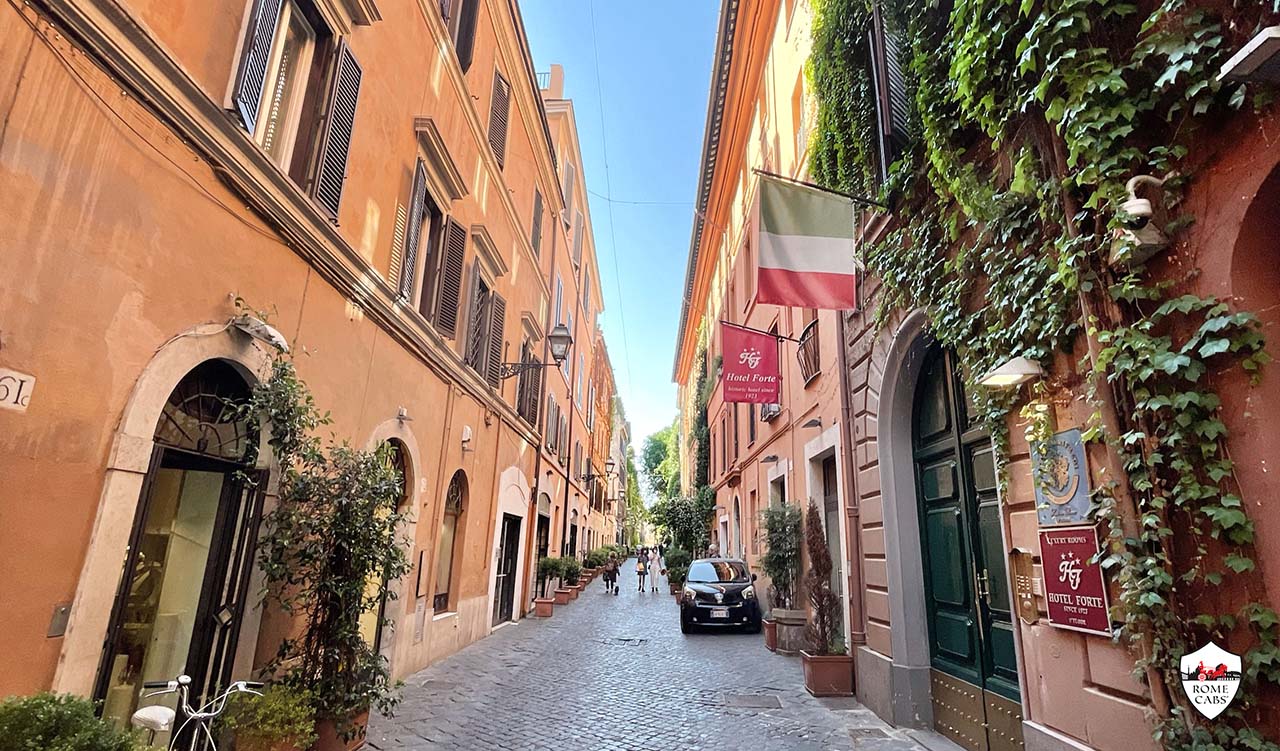
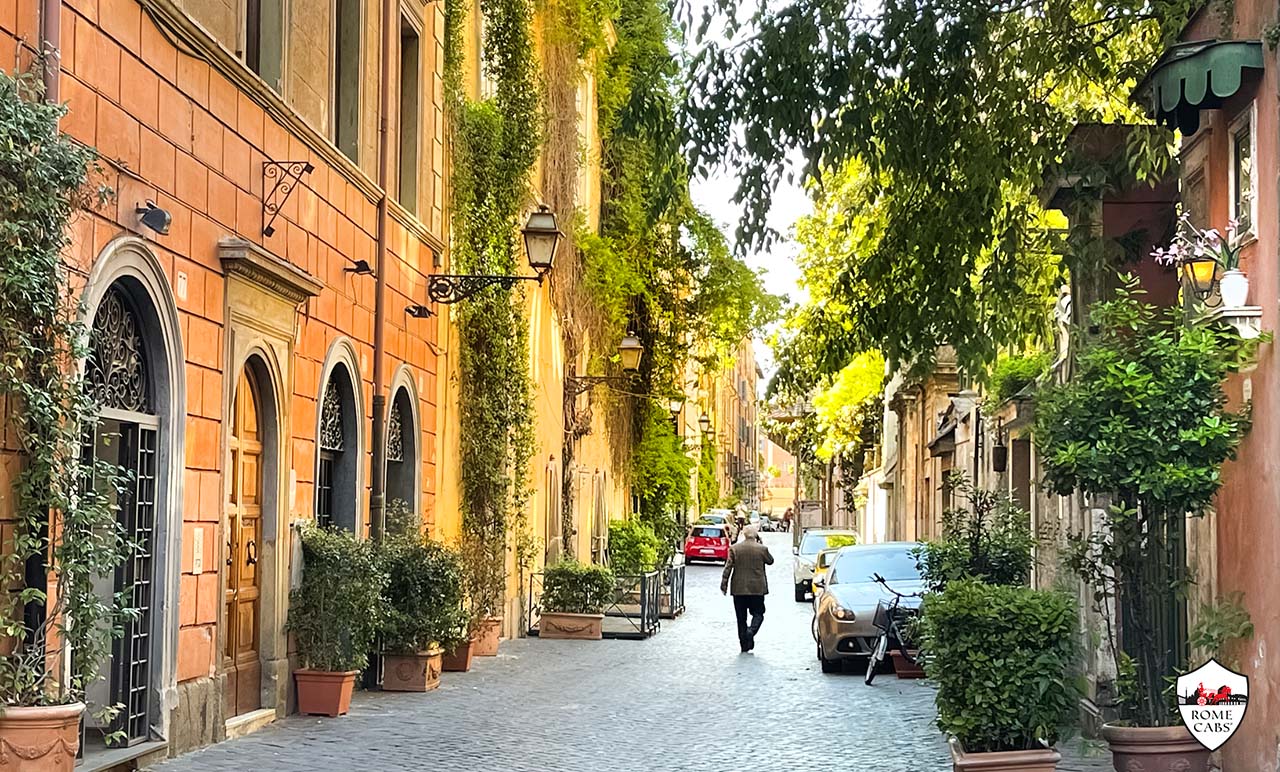
While exploring the upscale shops and boutiques along Via del Babuino, take a moment to venture onto Via Margutta, a charming street that runs parallel for a few blocks. Via Margutta is a quaint and picturesque street that has long been celebrated for its rich artistic heritage and enchanting ambiance. Known for its ivy-covered facades, cobblestone paths, and timeless charm, Via Margutta has captivated the hearts of visitors and locals alike.
The street became internationally famous after it was featured in the iconic 1953 film “Roman Holiday“, where it served as the home of Gregory Peck’s character, Joe Bradley. The scenes filmed here, including the exterior of Joe’s artist studio apartment on Via Margutta, 51, are some of the most memorable moments in the movie, adding to the street’s allure as a romantic and cultural destination in Rome.
.
.
Beyond its Hollywood fame, Via Margutta has a deep-rooted history as a haven for artists, sculptors, and creatives. Dating back to the Renaissance, this narrow, tranquil street was once a secluded enclave where painters, sculptors, and craftsmen set up their studios away from the bustle of Rome’s center.
The street attracted a variety of artists over the centuries, including great names like Pablo Picasso and Giorgio de Chirico, and later, Federico Fellini, who lived here with his wife, Giulietta Masina. Fellini, a legendary filmmaker, found inspiration in the serene environment and the eclectic mix of artists and creative minds that filled Via Margutta.
While Via del Babuino offers an elegant shopping experience with its array of high-end boutiques and designer stores, Via Margutta presents a perfect complement with its bohemian beauty and artistic heritage. Together, these streets provide a well-rounded cultural and shopping experience for visitors.
.
.
.
Iconic Landmarks in Rome Around Via del Babuino
.
Its central location places visitors within easy reach of several historic and cultural treasures, making it a perfect spot for those who wish to combine high-end retail experiences with a taste of Rome’s rich heritage.
.
Piazza del Popolo: Rome’s People’s Square
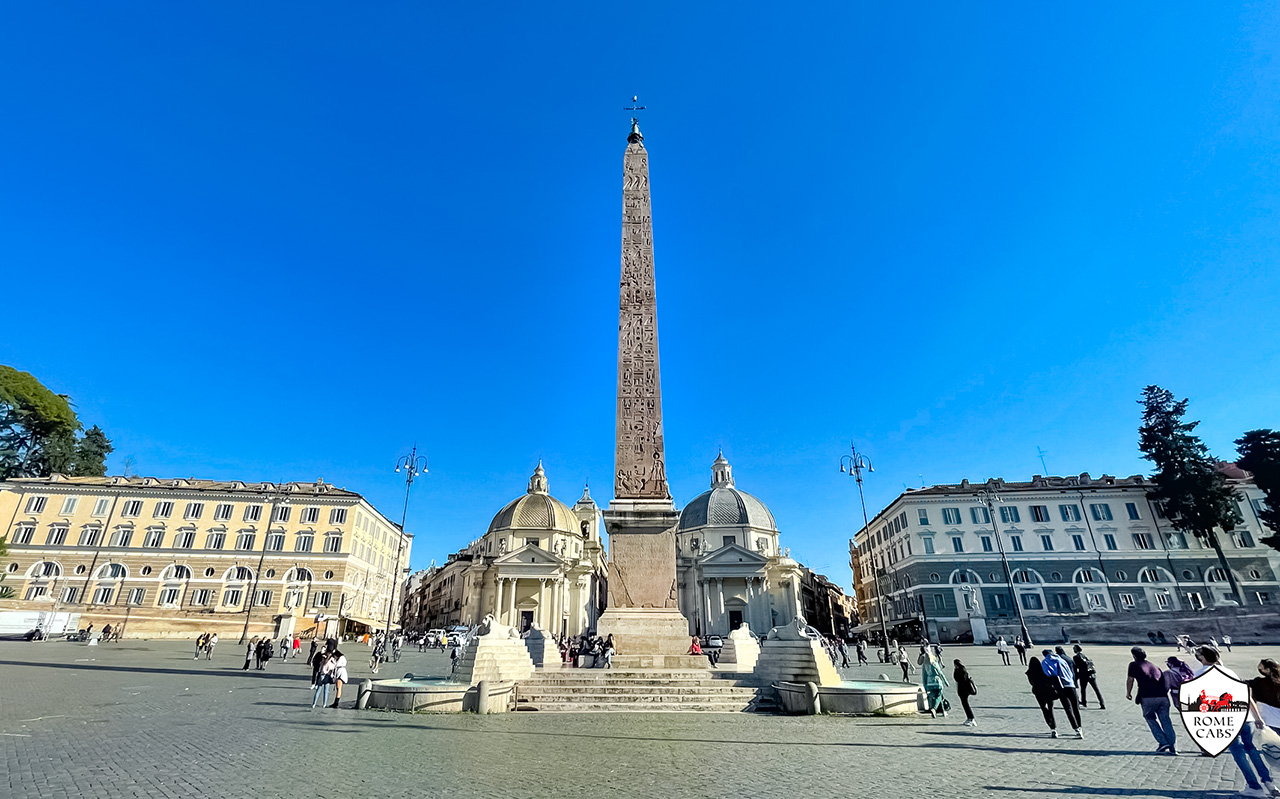
A short walk from Via del Babuino brings you to the grand Piazza del Popolo, a bustling square that serves as one of Rome’s grand entrances. Dominated by the imposing Obelisk of Ramesses II, which stands proudly in the center of the piazza, this landmark is a remnant of ancient Egyptian history, transported to Rome by Emperor Caligula in AD 37.
The piazza is flanked by the Santa Maria del Popolo and Santa Maria in Montesanto churches, known for their striking architecture and important artworks. The former houses works by Caravaggio, while the latter boasts a splendid Baroque facade. The piazza also serves as a popular meeting point and a gateway to the picturesque Pincian Hill gardens, offering stunning views of Rome’s skyline.
.
.
.
The Spanish Steps: An Icon of Roman Elegance
Just a short stroll from Piazza del Popolo, Via del Babuino leads you to the world-famous Spanish Steps, a quintessential symbol of Roman elegance and charm. Designed by Francesco de Sanctis and constructed between 1723 and 1725, the Spanish Steps consist of 135 steps that gracefully ascend from the Piazza di Spagna to the Trinità dei Monti church.
The steps are a favorite gathering spot for both tourists and locals, who enjoy sitting on the steps and soaking in the atmosphere of the bustling piazza below. At the base of the steps, you’ll find the Fontana della Barcaccia, a unique Baroque fountain designed by Pietro Bernini the father of famous Gian Lorenzo Bernini, which resembles a semi-submerged boat.
.

.
.
Trevi Fountain: Rome’s Most Famous Fountain
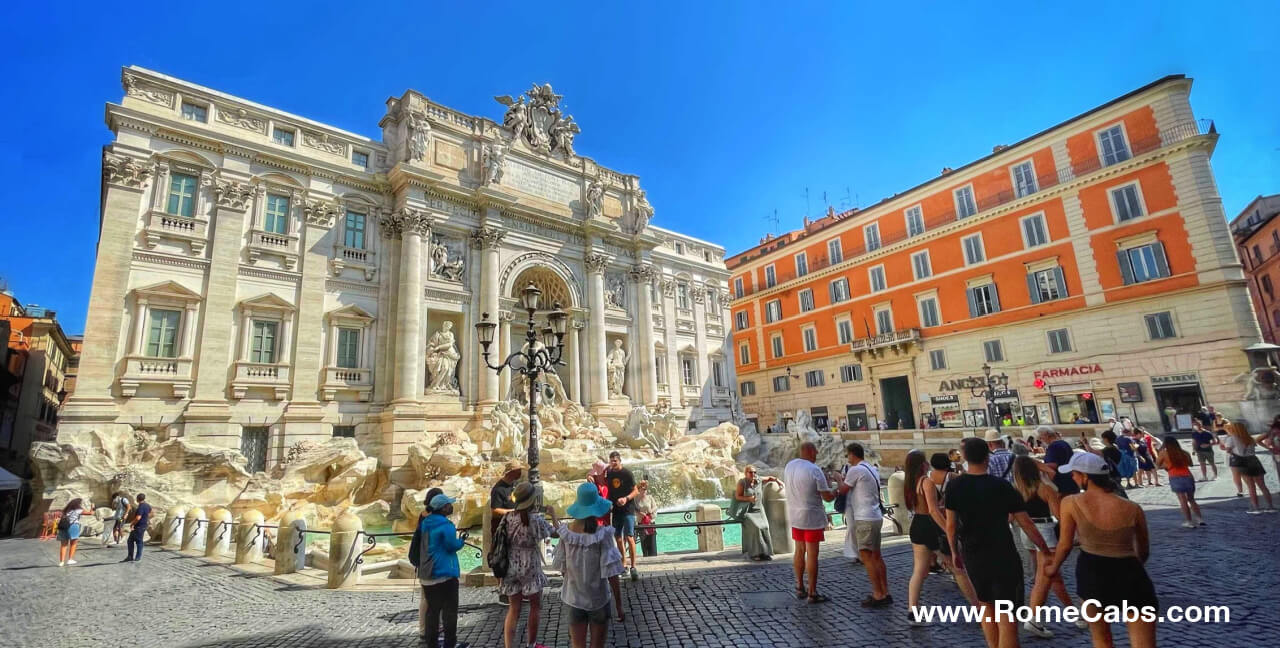
Continuing your exploration from the Spanish Steps, a brief walk leads you to the stunning Trevi Fountain (Fontana di Trevi), one of Rome’s most iconic landmarks. Completed in 1762, this grand Baroque masterpiece features a dramatic depiction of Neptune, the god of the sea, surrounded by sea creatures and mythological figures.
Tradition holds that tossing a coin into the fountain ensures a return to Rome, making it a must-see attraction for visitors. The Trevi Fountain’s elaborate sculptures and cascading water provide a breathtaking contrast to the bustling streets of Rome.
.
.
.
The Pantheon: A Marvel of Ancient Roman Engineering
A bit further afield but well worth the visit is the Pantheon, located in the Piazza della Rotonda. This ancient Roman temple, now a church, is renowned for its impressive dome and oculus. Built during the reign of Emperor Hadrian and completed around AD 126, the Pantheon remains one of the best-preserved monuments of ancient Rome.
Its majestic rotunda and the massive portico with Corinthian columns continue to captivate visitors with their architectural brilliance and historical significance. The Pantheon also serves as the final resting place for several notable figures, including the artist Raphael.
.

.
Villa Borghese and Pincian Hill: Rome’s Tranquil Green Oasis
.
Nestled adjacent to Piazza del Popolo and easily accessible via the scenic Pincian Hill, Borghese Gardens stands as one of Rome’s most cherished green spaces, offering a tranquil retreat from the city’s vibrant energy. This expansive public park is not only a verdant escape but also a cultural hub, rich in history and natural beauty.
.

.
.
Pincian Hill: The Gateway to Villa Borghese
Pincian Hill (Pincio) is a prominent elevated area that provides a picturesque gateway to Villa Borghese. Historically, this hill has been a favored spot for Rome’s elite, offering panoramic views of the city and serving as a peaceful haven away from the bustling streets below. The hill itself is adorned with lush gardens and well-maintained walkways, making it an ideal spot for leisurely strolls and scenic overlooks. From its vantage point, visitors can enjoy sweeping views of Rome’s skyline, including landmarks such as St. Peter’s Basilica and the surrounding historic districts.
.
Villa Borghese: A Historical and Cultural Haven
Villa Borghese is a sprawling public park that has been a beloved escape for Romans and visitors alike since its transformation in the early 19th century. Originally a private estate belonging to the Borghese family, the villa and its grounds were opened to the public in 1903, becoming one of Rome’s largest and most important parks.
The park’s meticulously landscaped gardens, tranquil lakes, and charming fountains provide a serene setting for relaxation and recreation. Visitors can enjoy leisurely strolls along winding paths, take boat rides on the park’s picturesque lake, or simply unwind in the lush, green surroundings. The park’s expansive lawns are perfect for picnics and relaxation, while its many walking and cycling paths invite exploration. The park also features various attractions such as the Bioparco di Roma (Rome’s zoo), the Temple of Asclepius, and the Casina di Raffaello, a charming building dedicated to children’s activities.
The park is also home to several cultural institutions, including the Galleria Borghese.
.

.
Galleria Borghese: A Treasure Trove of Art
The Galleria Borghese, situated within the park, is a must-visit for art enthusiasts. The museum houses an exceptional collection of sculptures, paintings, and antiquities, featuring masterpieces by renowned artists such as Caravaggio, Titian, and Gian Lorenzo Bernini. Highlights include Caravaggio’s dynamic paintings, Titian’s vivid portraits, and Bernini’s exquisite sculptures, which collectively represent some of the finest works of Baroque art.
Whether you’re a fashion aficionado, a history buff, or simply someone looking to experience the finer side of Rome, Via del Babuino offers a unique blend of luxury, culture, and history. With its elegant boutiques, charming cafes, and proximity to iconic landmarks, this street provides a tranquil yet sophisticated escape from the hustle and bustle of Rome.
Explore the hidden gems of Via del Babuino and discover why it remains a favorite among locals and tourists alike, offering a shopping experience that truly captures the essence of Rome’s timeless elegance and makes your Roman holiday Rome visit extraordinary!
.
Find RomeCabs online also on:
RomeCabs Facebook: https://www.facebook.com/RomeCabsToursAndTransfers
RomeCabs Pinterest: https://www.pinterest.it/romecabs
RomeCabs Twitter: https://twitter.com/RomeCabs
RomeCabs Instagram: https://www.instagram.com/romecabs/
RomeCabs Flickr Photo Gallery: https://www.flickr.com/photos/romecabs/
Rome Cabs Recommended on Cruise Critic
.
.
.
.
.

.
.
.
 RomeCabs Blog Italy - Italy Private Excursions, Rome Tours, Civitavecchia Transfers
Leave a Reply