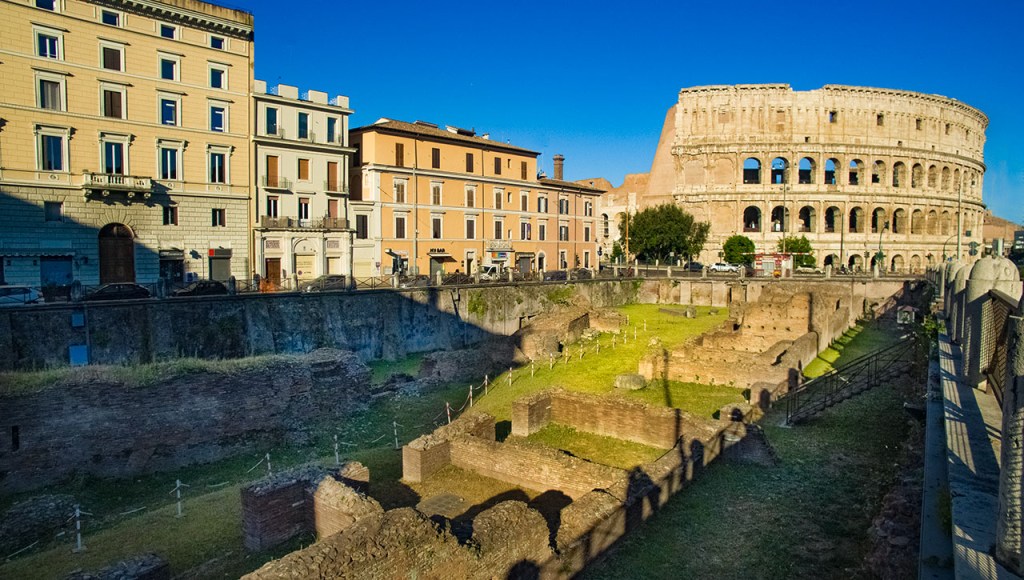
Buongiorno and welcome to Rome Cabs Rome travel blog! While the Colosseum dominates the landscape of ancient Rome, just a stone’s throw away lies a lesser-known treasure: the Ludus Magnus, the largest gladiatorial training school of the Roman Empire located next to the Colosseum.
Tucked behind the grand amphitheater, this fascinating site provides an extraordinary glimpse into the brutal world of gladiators, a chapter of history that many tourists overlook.
Ludus Magnus: Ancient Roman Gladiator School next to the Colosseum
History of Ludus Magnus
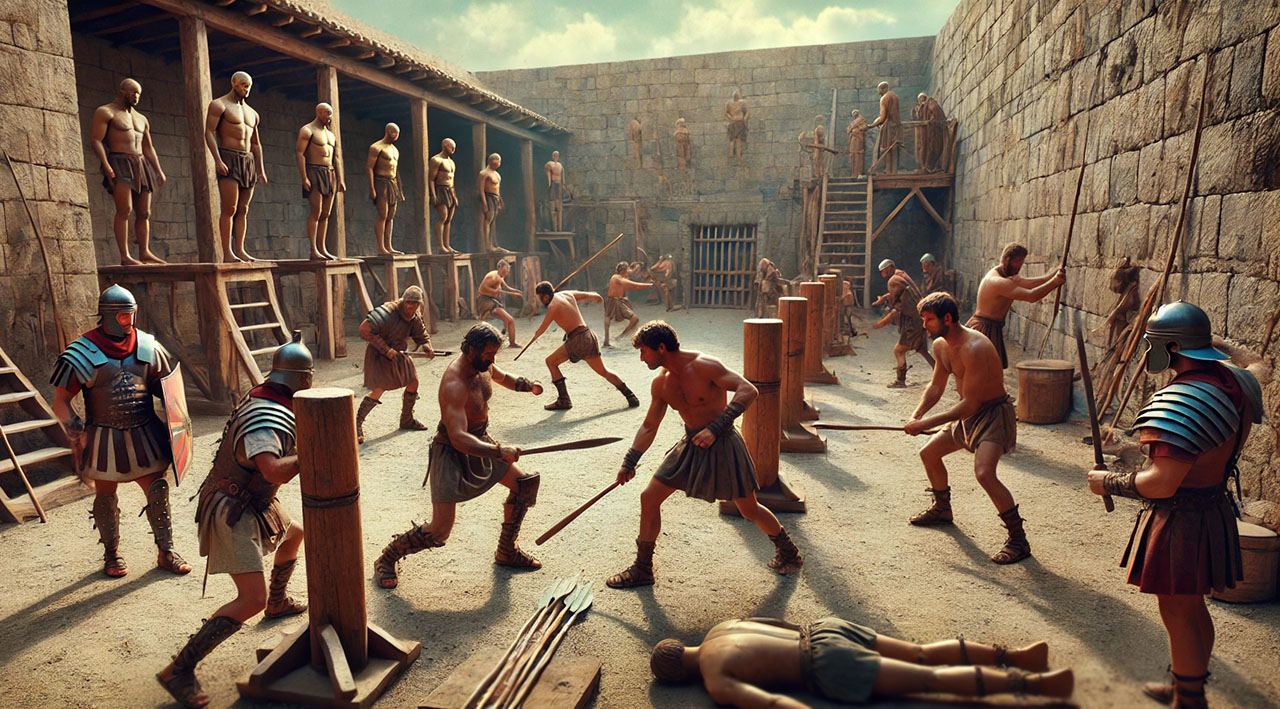
Constructed during the reign of Emperor Domitian in the late 1st century AD, the Ludus Magnus was not just a training ground; it was the epicenter of gladiatorial preparation, serving as the primary training facility for warriors destined to entertain the masses at the Colosseum’s blood-soaked games. Among four known gladiatorial schools in Rome, its location just behind the Colosseum underscored its prestige and importance in the arena’s culture.
Imagine the dusty training grounds echoing with the clang of swords and the shouts of trainers, as gladiators—some hailing from far-flung corners of the Roman Empire—engaged in rigorous drills.
These men, often enslaved or prisoners of war learned to fight with skill and ferocity, honing their abilities in hopes of survival and glory. The atmosphere was charged with anticipation as each warrior prepared for the fierce battles that would captivate thousands in the Colosseum, a venue renowned for its grand spectacles and brutal entertainment.
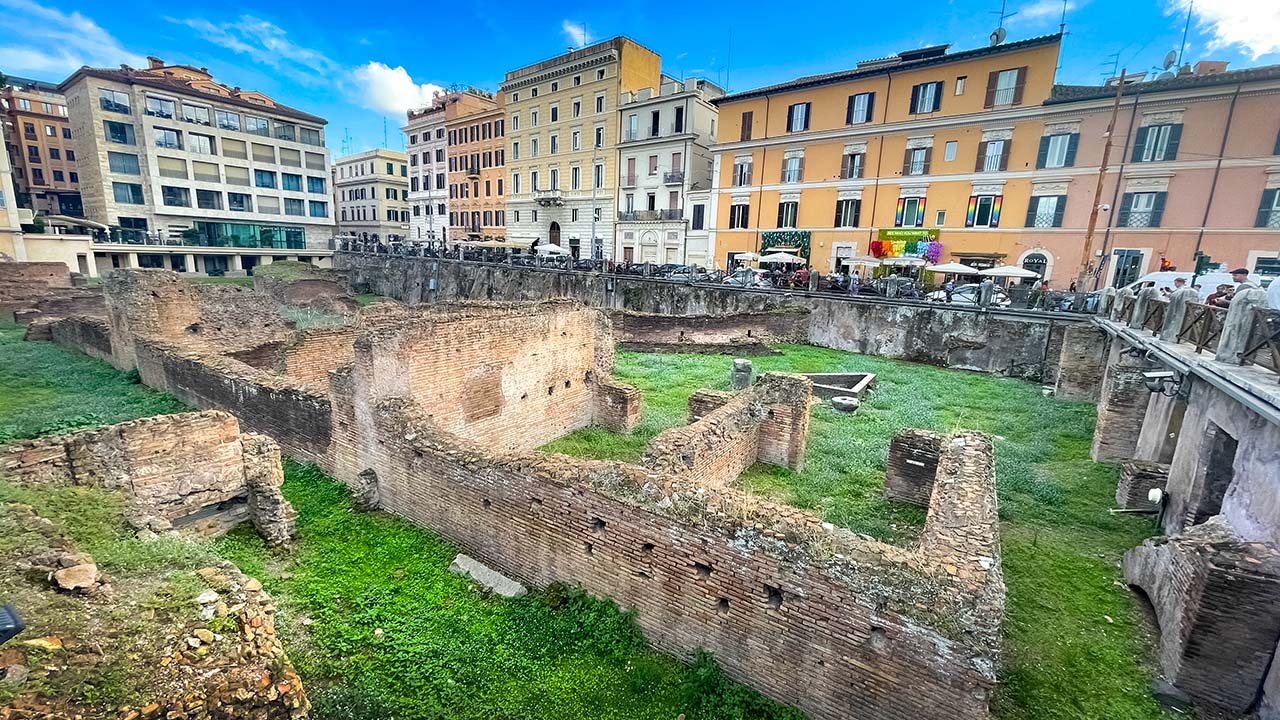
The remains of the Ludus Magnus can be found near the modern Via Labicana, nestled between the Esquiline and Caelian hills, an area steeped in ancient history and once home to Republican and Augustan structures. The site’s strategic location facilitated swift movement for gladiators to their primary combat venue, the Colosseum, where their fates awaited them.
Though much of the original structure has succumbed to the ravages of time, the ruins that remain whisper tales of the lives lived within its walls. Archaeological evidence reveals a complex designed with functionality in mind.
The Structure of Training at Ludus Magnus
The Ludus Magnus was designed to be more than just a training facility; it was a vibrant community dedicated to the art of combat and the rigorous discipline required for gladiatorial life. The complex, sprawling across an extensive area, was equipped with a variety of structures that catered to every aspect of a gladiator’s existence. It featured barracks for sleeping, communal kitchens for nourishment, and training areas where warriors could hone their skills in a safe yet challenging environment.
One of the most distinctive elements of the Ludus Magnus was its small arena, where gladiators could practice their skills in front of an audience. This miniature venue offered an early taste of the dramatic performances to come, creating an atmosphere of excitement and anticipation.
With seating for approximately 3,000 spectators, it served as a precursor to the grand spectacles held at the Colosseum, allowing the public to witness the gladiators’ training and build hype for the upcoming matches.
The training regimen was grueling and demanding, often encompassing both physical training and mental preparation. Gladiators underwent extensive workouts, focusing on strength, endurance, and combat techniques. They also learned the art of showmanship, understanding that a captivating performance could enhance their popularity among the audience. In a society where public perception was paramount, mastering the balance of brutality and entertainment became essential.
The infrastructure of Ludus Magnus included features such as baths for hygiene and relaxation, kitchens for meal preparation, and living quarters that allowed gladiators to rest and recuperate. This holistic approach to their well-being ensured they were always in peak condition, ready to face the rigors of training and the unpredictability of the arena.
The combination of a supportive community, specialized training, and a focus on both physical prowess and entertainment made the Ludus Magnus a crucial institution in the gladiatorial tradition. It was here that warriors were forged, and legends began, setting the stage for the thrilling games that awaited them at the Colosseum, where their skills would be put to the ultimate test in front of roaring crowds.
Architectural Marvel of Ludus Magnus
Despite the passage of time, the remnants of Ludus Magnus offer a captivating glimpse into the architectural ingenuity of ancient Rome. Designed to be both functional and aesthetically pleasing, the complex reflected the grandeur associated with Roman public buildings. The architectural features of the Ludus not only served practical purposes but also conveyed the significance of gladiatorial training within the broader cultural landscape of Rome.
Central Courtyard and Colonnades
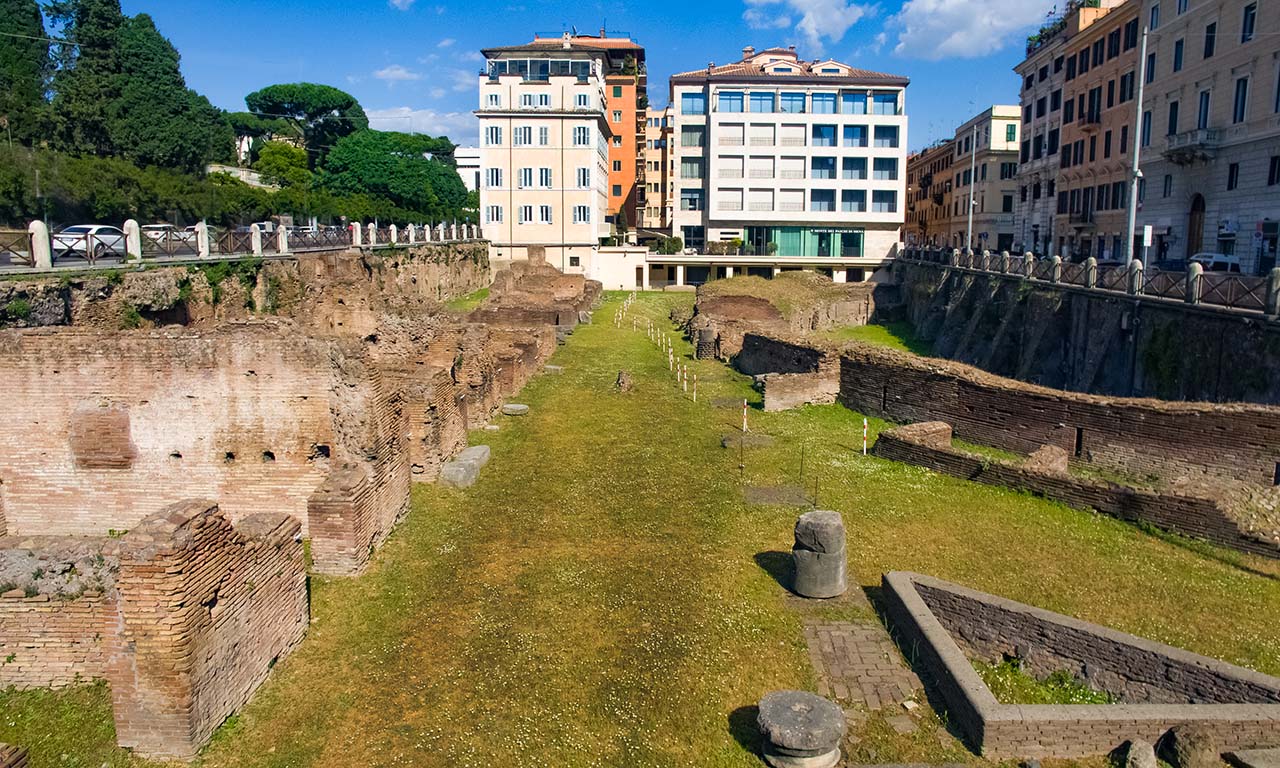
At the heart of the Ludus Magnus was a spacious central courtyard, which served as the primary training arena for gladiators. Measuring approximately 63 meters long and 42 meters wide, this area provided ample space for fighters to practice their techniques, engage in mock battles, and showcase their skills.
The courtyard was bordered by elegant Tuscan-style colonnades, which added a sense of sophistication to the space. These colonnades provided shade and protection from the elements, ensuring that training could continue regardless of the weather.
In addition to their practical benefits, the colonnades enhanced the visual appeal of the complex, inviting spectators to gather and watch the training sessions. It was not uncommon for the public to come and witness the gladiators’ rigorous workouts, as this element of spectacle contributed to the overall popularity of the gladiatorial games.
Fountains and Amenities
The courtyards were adorned with fountains, which not only served as decorative features but also provided a necessary water source for the gladiators.
Additionally, the complex included facilities for rest and recovery. Gladiators needed to maintain peak physical condition, and the architecture facilitated this need with spaces designated for relaxation, nutrition, and hygiene.
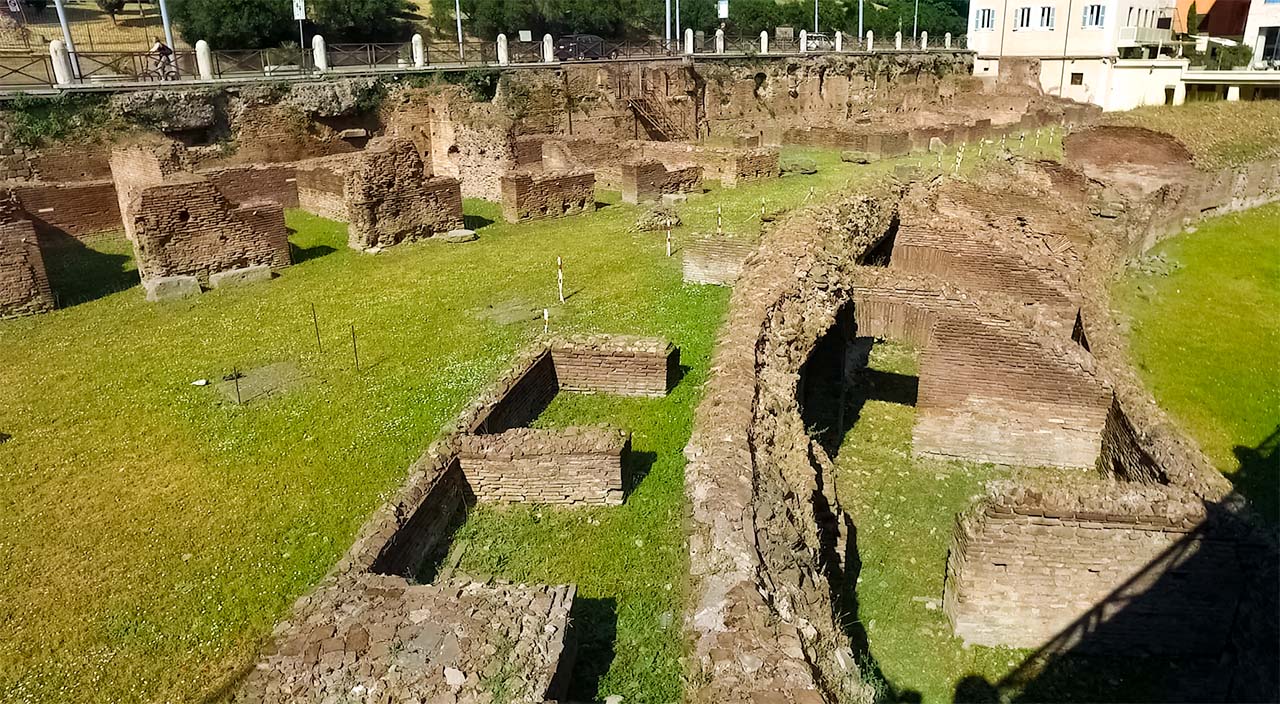
The Underground Passage
One of the most fascinating architectural features of Ludus Magnus was the underground passage that linked it directly to the Colosseum. This passage allowed for quick and efficient movement between the training facility and the arena, underscoring the importance of the Ludus in the broader spectacle of Roman entertainment.
Gladiators could swiftly move from training to combat, minimizing downtime and ensuring that they were always ready for their next performance on the arena of the Colosseum.
Ludus Magnus through Time
The decline of gladiatorial games in the 5th century AD marked a significant turning point for the Ludus Magnus, transforming it from a bustling training ground for gladiators to a relic of a bygone era. As societal values shifted and the appetite for brutal entertainment waned, the once-thriving training school gradually fell into disrepair. By the 6th century, it had lost its original purpose and was repurposed as a cemetery, a somber reminder of the life cycles that defined ancient Rome.
As the centuries passed, the remnants of Ludus Magnus lay forgotten beneath the layers of history, overtaken by the encroachment of modernity.
It wasn’t until the 20th century that the hidden stories of this remarkable site began to emerge. During construction work near the Colosseum in the 1930s, archaeologists stumbled upon the ancient remains of the Ludus.
Subsequent excavations from 1957 to 1961 unveiled the grandeur of the complex, revealing intricate architectural details and offering a glimpse into the lives of the gladiators who once trained there. This rediscovery sparked renewed interest in the history of gladiatorial combat and its cultural significance in Roman society.
Today, the remnants of Ludus Magnus stand as a testament to the skill and dedication of the gladiators who once roamed its grounds. Although it is often overshadowed by its more famous neighbor, the Colosseum, this hidden gem provides visitors with a unique opportunity to reflect on the lives of those who trained within its walls.
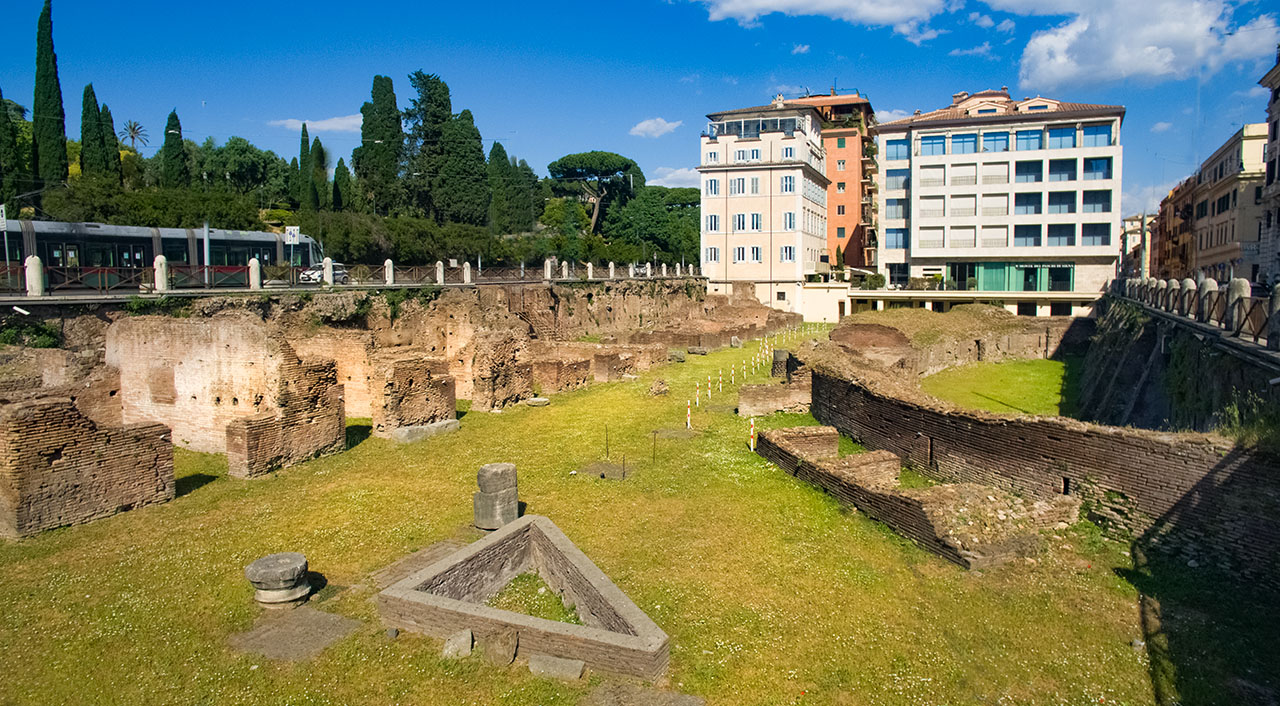
What to see near Ludus Magnus (besides the Colosseum)
When visiting Ludus Magnus, take the time to explore the remarkable sites that surround it, each offering a unique glimpse into the grandeur of ancient Rome. In addition to the Colosseum, here are some must-see attractions nearby:
Via dei Fori Imperiali: This grand boulevard, built under Mussolini, stretches between the Colosseum and Piazza Venezia. As you stroll along this historic road, you’ll encounter a series of ancient ruins that were once the bustling heart of the Roman Empire. The impressive backdrop of the Imperial Forums showcases the architectural prowess of ancient Rome and leads you directly to the next noteworthy sites.
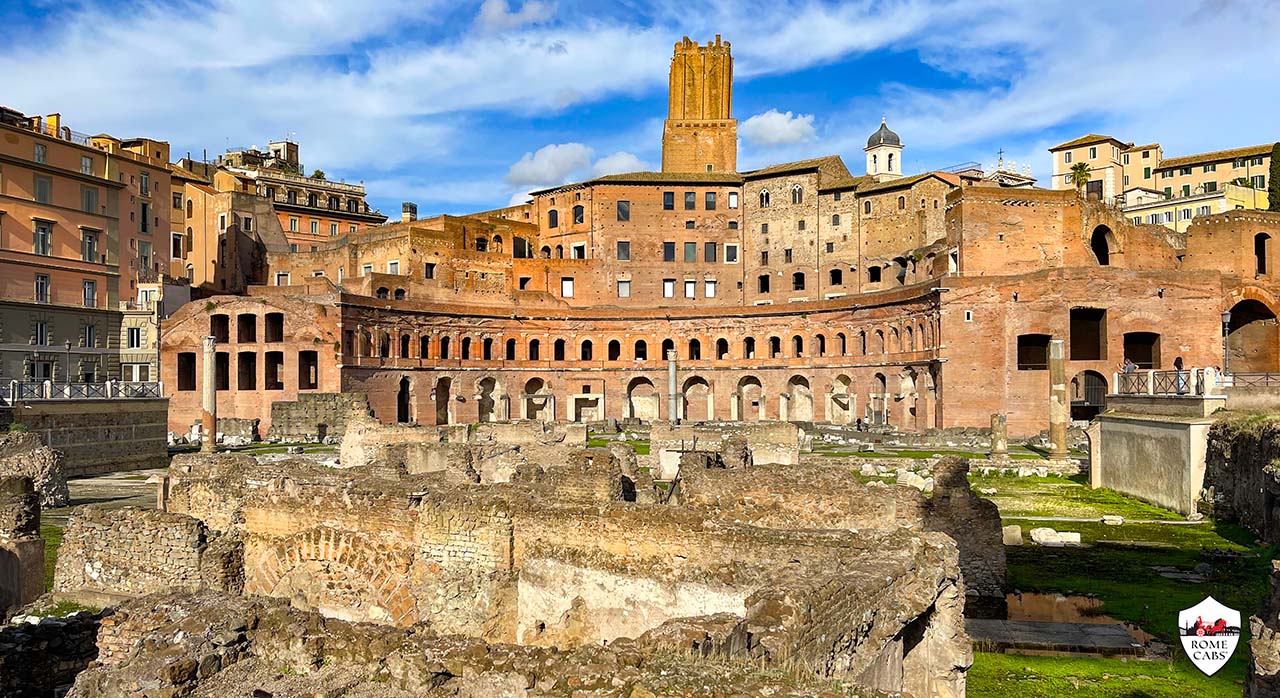
Trajan’s Market: Just a short walk from the Forum, Trajan’s Market is often considered the world’s oldest shopping mall. Built in the early 2nd century AD, this architectural marvel features multiple levels of shops and administrative buildings. Today, you can explore its ruins and visit the museum housed within, which offers fascinating exhibitions on Roman history.
.
.
Trajan’s Forum: Adjacent to the Market, Trajan’s Forum is one of the last of the Imperial Forums to be constructed. The remains of its basilica and other structures highlight the significance of this site in ancient Roman civic life. Walking through this area, you can almost hear the echoes of public debates and activities that once filled the space.
Trajan’s Column: Located nearby, this iconic monument commemorates Emperor Trajan’s victories in the Dacian Wars. Standing at 30 meters high, the column is adorned with intricate reliefs that depict scenes from the campaigns. A visit to Trajan’s Column provides a unique opportunity to appreciate Roman artistry and narrative in stone.
The Roman Forum: Continuing your exploration, head to the Roman Forum, which served as the epicenter of Roman political, social, and economic life. Here, you can wander through the remnants of temples, basilicas, and public spaces that showcase the grandeur of Rome’s architectural achievements.
.
.
Circus Maximus: Just a short stroll from Ludus Magnus, this ancient chariot racing stadium is the largest of its kind in Rome. While now a public park, the site’s rich history is palpable, and you can envision the thrilling races that captivated Roman audiences.
Basilica di San Clemente al Laterano: This unique layered church is not far from the Colosseum and offers a fascinating insight into Rome’s history. The structure consists of three levels, revealing an array of art and architectural styles that span centuries, including ancient Roman ruins below the church.
Discover Ludus Magnus: A Hidden Gem on Private Rome Tours
If you’re planning a visit to Rome, especially through Rome Tours by Car or Rome Shore Excursions from Civitavecchia, don’t miss the chance to uncover the secrets of Ludus Magnus, the ancient gladiatorial training ground located just behind the iconic Colosseum.
RomeCabs offers a variety of Rome tours by car that include a stop in Colosseum Square.
After taking in the majestic views of the Colosseum, take a leisurely stroll around the area. As you venture behind this iconic monument, cross the street at the pedestrian crossing, and you’ll be greeted by the intriguing ruins of Ludus Magnus—an experience often overlooked by many tourists.
By taking the time to see Ludus Magnus, you’ll enrich your visit to Rome, discovering a lesser-known yet equally significant part of the city’s rich history. Whether you’re a history buff or simply curious about the ancient world of gladiators, a stop to see Ludus Magnus complements your explorations of Rome’s iconic landmarks.
.
Find Rome Cabs online also on:
- RomeCabs FACEBOOK
- RomeCabs PINTEREST
- RomeCabs TWITTER
- RomeCabs INSTAGRAM
- RomeCabs FLICKR Photo Gallery
- RomeCabs Recommended on Cruise Critic
.
.
.
.
.
.

 RomeCabs Blog Italy - Italy Private Excursions, Rome Tours, Civitavecchia Transfers
Leave a Reply