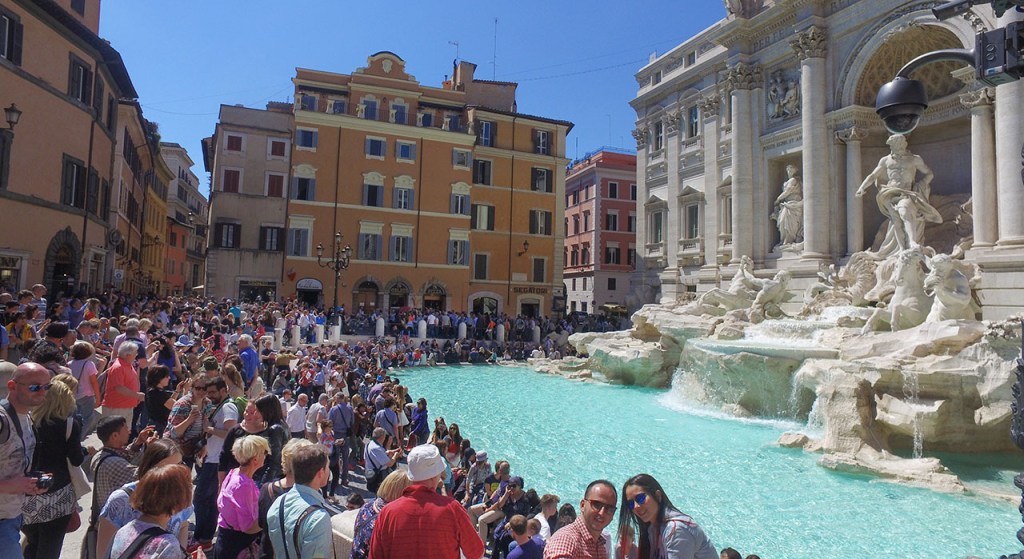
Buongiorno and welcome to RomeCabs Rome Travel Blog! Are you visiting Rome in August? If yes, here’s what you should know before you plan your next summer trip to Italy.
August in Rome is synonymous with the Italian summer vacation period, a time when many locals take extended holidays. This tradition has a considerable impact on the city’s rhythm and can significantly influence your experience as a visitor. Understanding these effects and preparing accordingly will help you navigate the city more smoothly and make the most of your stay.
.
Ferragosto Holiday in August
One of the most important holidays in Italy, Ferragosto, falls on August 15th. This national holiday often sees even more closures as locals celebrate with family and friends. Many Romans take the entire week off, leading to further reductions in services and open businesses.
However, Ferragosto is also a time of various festivities, including fireworks and parades, especially in the coastal areas. If you’re in Rome during Ferragosto, it can be a fantastic opportunity to experience a unique aspect of Italian culture.
.
Rome in August: A Quieter Summer Experience
August in Rome offers a slightly different experience compared to the bustling months of June and July. As summer progresses, the city sees a slight shift in its tourist dynamics. Many families who vacation in Rome (or cruising from Rome) during the earlier summer months of June and July are typically preparing for back-to-school routines by August. This change in travel patterns results in a slight decrease in the number of visitors during this period.
This shift can provide a more relaxed atmosphere for those visiting Rome during this time. The reduction in tourist numbers in August, while not substantial, can make a difference in your overall experience. Guided tours and entrance tickets may be more readily available, and you might encounter less congestion at key sites in June or July.
.

.
.
Rome in August: The Italian Vacation Month
.
In August, Rome transforms as many Romans head to the coast or countryside for their vacations. This mass exodus can result in a quieter city, providing a unique experience for visitors. However, it also means that certain services and amenities might be less accessible. Here’s how to navigate these changes effectively.
.
Rome Public Transportation Challenges in August
During August, the dynamics of Rome’s public transportation system change considerably. Many locals leave the city for their vacations, leading to reduced schedules for local buses and regional trains. The typically frequent and reliable services may become less regular, making it more challenging to get around.
If you plan to rely on public transport, it’s crucial to plan your journeys in advance. Check the schedules of buses and trains beforehand to avoid any surprises and ensure that you can travel efficiently between the city’s various attractions. Be prepared for potential delays and plan extra time for your journeys, as the reduced service can lead to longer waits at bus stops or train stations.
.
Local Neighborhood Closures and Reduced Services in August
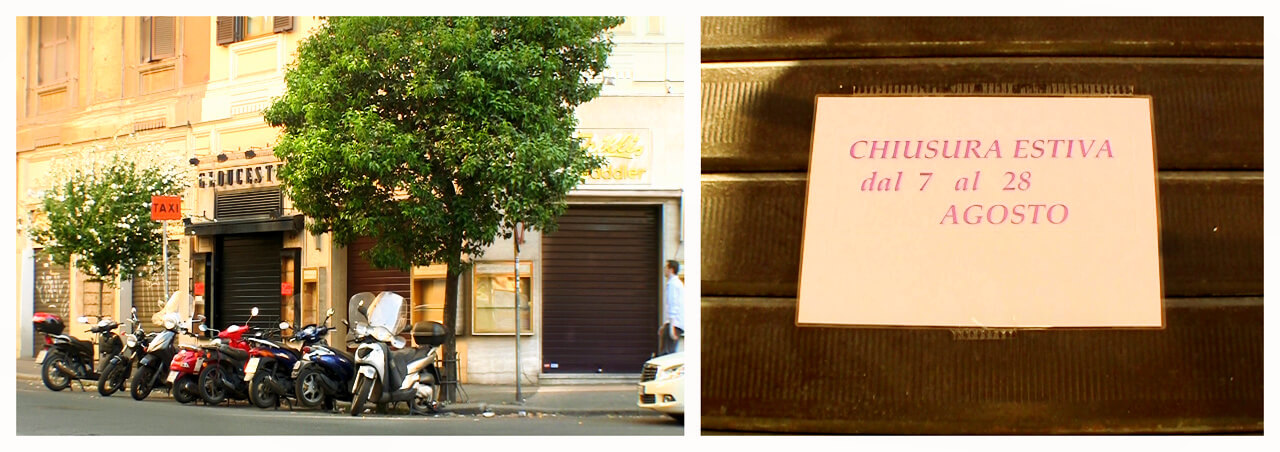
August also sees a significant shift in the availability of local services, particularly outside the historic center. Many local shops, cafes, and restaurants close for the entire month as their owners and staff take their own holidays. This can be particularly noticeable in residential neighborhoods where daily life often revolves around these smaller, community-based establishments. As a visitor, you might find that your favorite cafes or restaurants are closed, or that local shops and markets you intended to visit have shut their doors for the summer.
.
.
To mitigate this, it’s advisable to check the opening hours of any specific places you plan to visit. Some restaurants and shops may operate on reduced hours or close entirely, so verifying their schedules ahead of time will help you avoid disappointment. While the historic center and major tourist areas usually remain active and well-serviced, exploring beyond these areas might require a bit more flexibility and preparation.
.
Making the Most of August in Rome
.
Despite these challenges, August in Rome can still offer a unique and rewarding experience. The city is often quieter in terms of local activity, which can make for a more relaxed atmosphere in some areas. Major tourist attractions typically remain bustling with visitors from around the world, so you can still enjoy the iconic sights without the heavy presence of local crowds.
.
Stay in the Historical Center
Choosing to stay in the historical center of Rome is one of the most effective ways to enhance your visit, particularly during August when many locals take their vacations and the city experiences notable changes. By staying in the historical center, you mitigate the risk of encountering closed establishments, ensuring that your dining and shopping experiences remain uninterrupted.
Staying in the historical center also significantly reduces the need for public transportation between your hotel and major tourist attractions. Rome’s central area is compact and walkable, allowing you to easily reach many of the city’s most famous sites on foot. This not only provides the convenience of avoiding the often crowded and less reliable public transport options during August but also allows you to soak in the city’s ambiance and historical architecture as you stroll through its streets.
.

.
For example, from the historical center, you can comfortably walk to landmarks like the Colosseum, Roman Forum, and the Vatican Museums. This proximity enables you to explore these attractions at your own pace, making spontaneous visits and leisurely breaks more manageable. Furthermore, if you stay within walking distance of major sites, you can more easily plan your visits around the cooler parts of the day, avoiding the peak summer heat.
Staying in the center also means you have easy access to a wide array of dining options, from high-end restaurants to charming trattorias and gelaterias. With numerous cafes and eateries open throughout August, you can enjoy Rome’s culinary delights without the inconvenience of traveling to less accessible parts of the city.
.
Plan Sightseeing for Cooler Times
.
Rome in August can be sweltering, with temperatures often soaring during midday. To ensure a more comfortable and enjoyable experience, it’s essential to plan your sightseeing activities during the cooler parts of the day. Early mornings and late afternoons not only help you avoid the intense heat but also allow you to explore Rome’s landmarks with fewer crowds and in a more pleasant atmosphere.
.
Early Morning Exploration
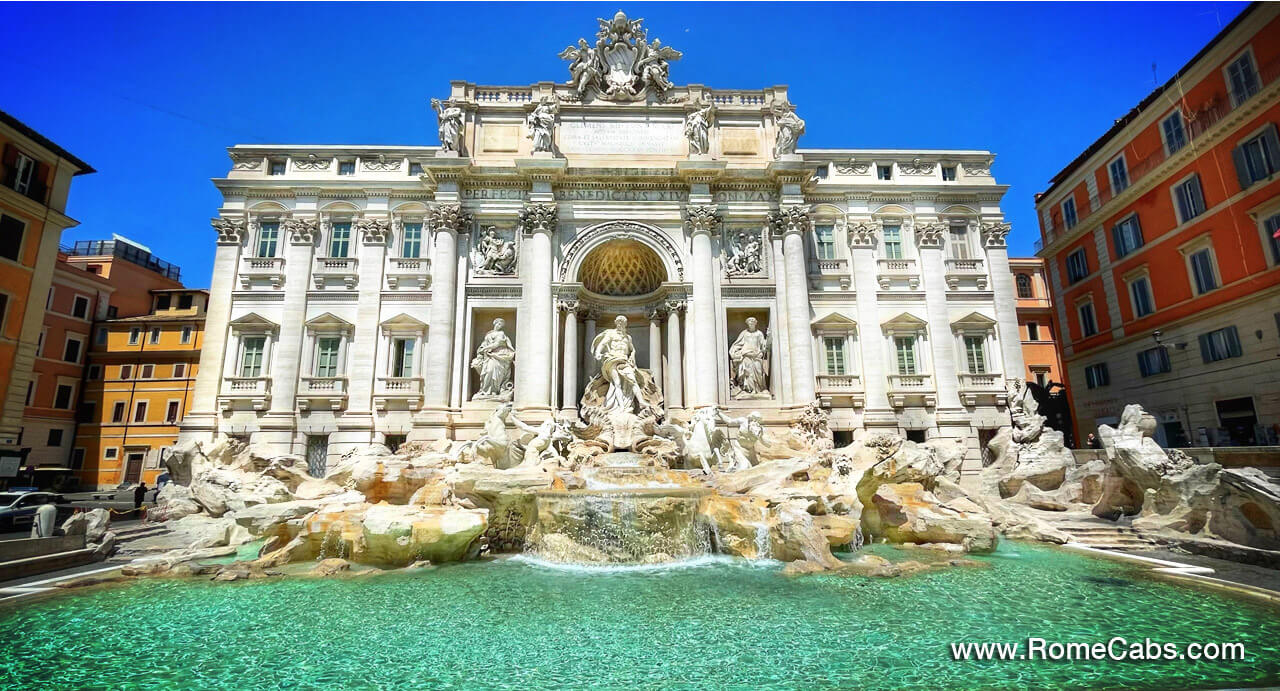
Starting your day early, around 7-8 AM, can be incredibly rewarding. The cooler morning air and the serene ambiance make this the perfect time to visit some of Rome’s most popular sites and squares such as Trevi Fountain and Campo dei Fiori.
.
Late Afternoon to Evening Adventures
As the day progresses and the heat intensifies, it’s wise to take a midday break, perhaps enjoying a leisurely lunch in a shaded café or relaxing in your hotel. Once the afternoon heat begins to wane, around 5-6 PM, it’s time to resume your exploration of Rome’s most famous squares such as Spanish Steps, Piazza Navona, and Piazza della Rotonda.
.
.
.
Enjoy Cool Treats in Rome in August
.
Staying refreshed is key to enjoying Rome in August. The city’s array of cold treats provides the perfect respite from the summer heat, offering both traditional and unique flavors to delight your taste buds. Here are some of the must-try options:
.
Gelato
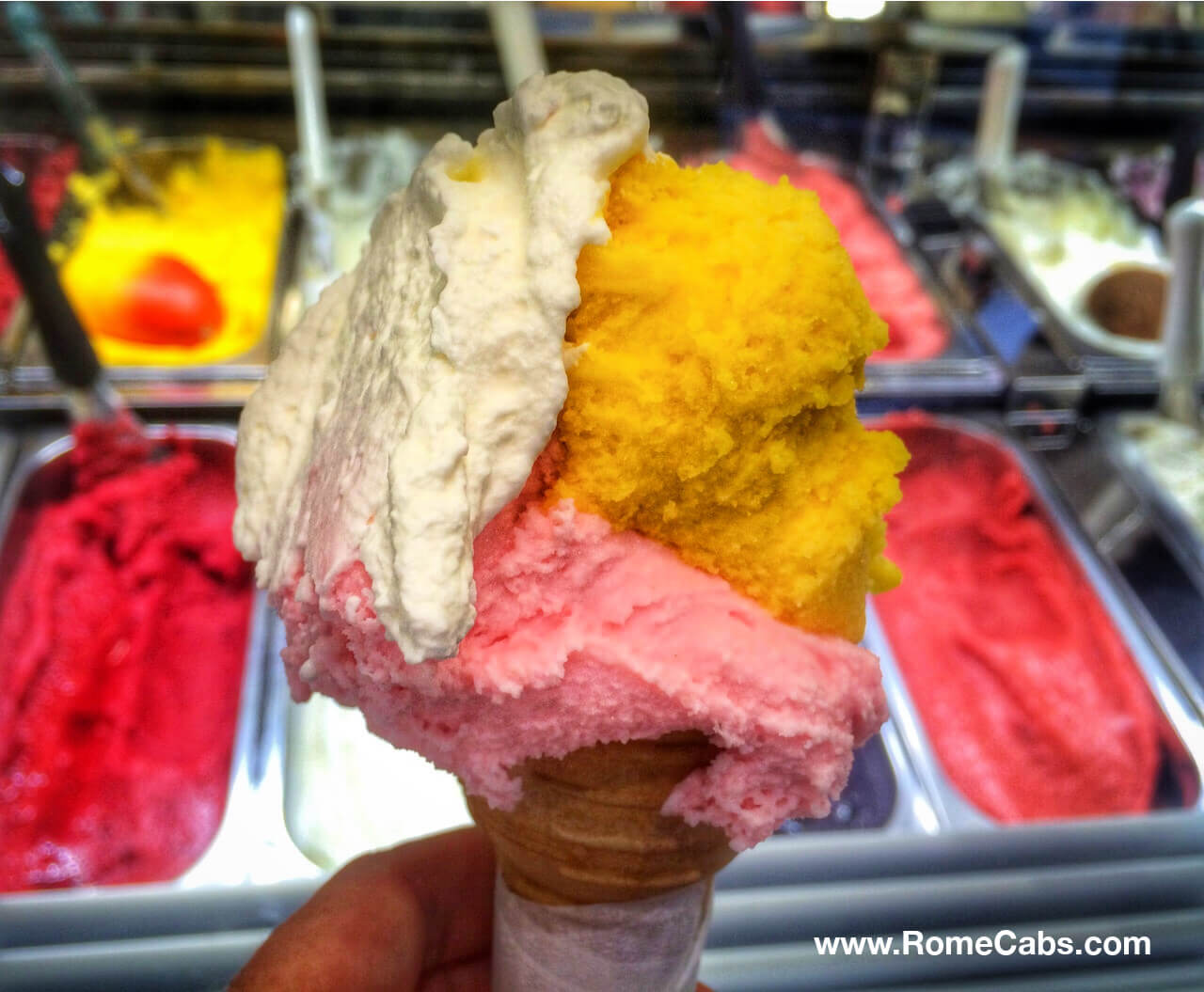
Gelato is a quintessential Italian treat that surpasses regular ice cream in both flavor and texture. Made with a higher proportion of milk than cream, and churned at a slower rate, gelato is denser and more intensely flavored.
At RomeCabs, we love this gelateria! For an unforgettable gelato experience, visit Gelateria Cremeria Monteforte, located next to the Pantheon. This renowned gelateria offers a variety of flavors, from classic choices like pistachio and stracciatella to more inventive ones like fig and ricotta. Each scoop is crafted with high-quality ingredients, making every bite a rich and creamy delight.
.
.
Shakerato
The shakerato is an Italian iced coffee that provides a refreshing caffeine kick on a hot summer day. This elegant drink is made by shaking freshly brewed espresso with ice cubes and a touch of sugar, resulting in a frothy, chilled beverage served in a martini glass. The vigorous shaking process creates a light, airy texture, and the drink is often garnished with a twist of lemon peel or a sprinkle of cocoa powder. Perfect for an afternoon pick-me-up, a shakerato is a sophisticated way to enjoy coffee in the summer heat.
.

.
Granita
Granita is a semi-frozen dessert made from sugar, water, and a variety of flavorings, offering a refreshing alternative to ice cream. Originating from Sicily, granita’s texture can range from coarse to smooth, depending on the region. In Rome, you’ll find flavors like lemon, almond, coffee, and fruit varieties such as strawberry or peach. Granita is the perfect treat for cooling down, with its icy, flavorful crystals providing a burst of freshness in every spoonful. It’s often served in a glass or a cup, sometimes topped with whipped cream for an extra indulgence.
.
Grattachecca Romana
Grattachecca Romana is a traditional Roman treat that dates back to the early 20th century. Unlike granita, grattachecca is made by manually shaving ice from a large block and then flavoring it with sweet syrups and fresh fruit pieces. Popular flavors include mint, lemon, cherry, and tamarind, often combined with seasonal fruits like strawberries, coconut, or pineapple. This vibrant and colorful treat is typically served in a plastic cup and eaten with a spoon and straw, offering a delightful way to beat the heat while enjoying a taste of Roman tradition.
.

.
By indulging in these delicious cold treats, you can stay cool and refreshed as you explore Rome in August. Whether savoring the creamy delight of gelato, enjoying the invigorating chill of a shakerato, relishing the icy crystals of granita, or delighting in the traditional flavors of grattachecca, these treats are sure to enhance your summer experience in the Eternal City.
.
Escape the Heat: Visit Indoor Places and Parks in Rome
.
When the midday heat becomes too intense, take a break by visiting indoor attractions or relaxing in shaded parks. Here are some top recommendations for staying cool and enjoying Rome’s rich cultural and natural offerings.
.
Visit these amazing but less crowded churches in Rome
Rome’s churches are not only places of worship but also architectural and artistic treasures that offer a cool respite from the summer heat. Many of these churches remain open throughout August, providing a serene and culturally enriching escape from the bustling streets. Here are a few must-visit churches that will leave you in awe of their beauty and historical significance.
.
San Luigi dei Francesi
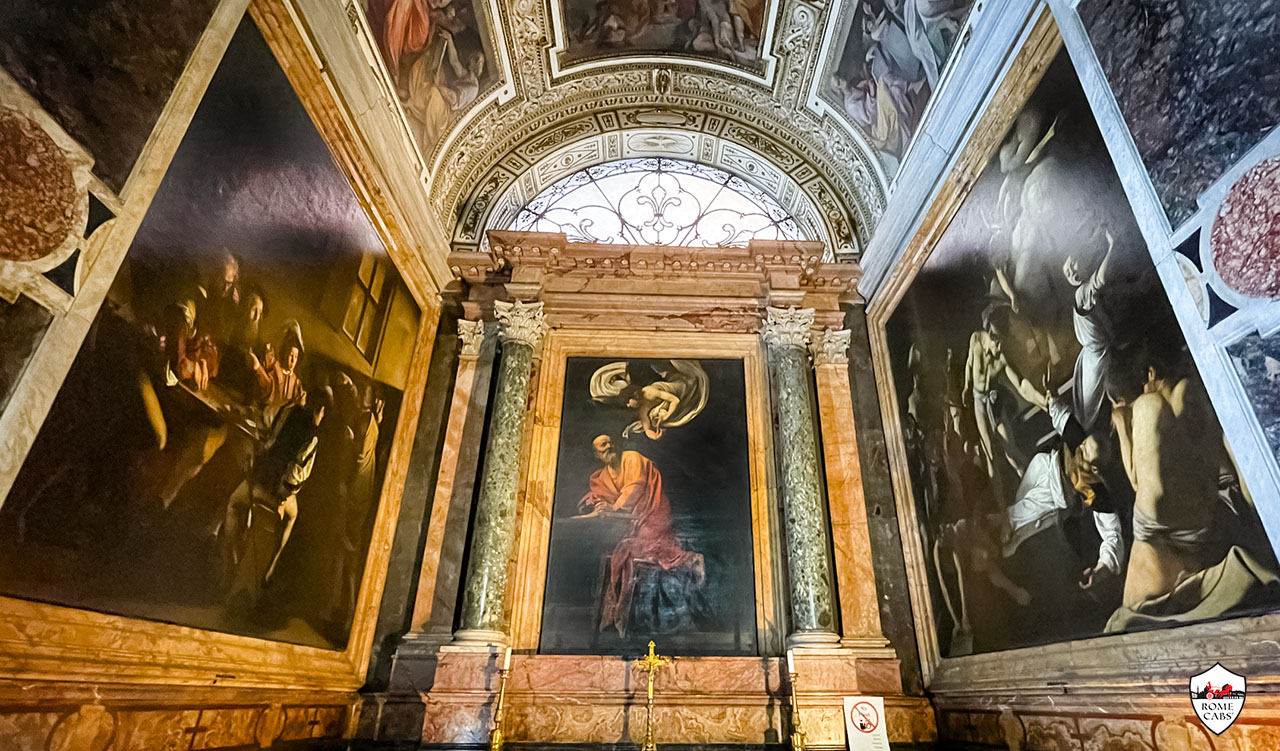
Nestled near Piazza Navona, San Luigi dei Francesi is renowned for its stunning Caravaggio paintings. As the national church of France in Rome, it reflects a rich cultural heritage.
The church’s main attraction is the Contarelli Chapel, which houses Caravaggio’s three masterpieces: “The Calling of Saint Matthew,” “The Inspiration of Saint Matthew,” and “The Martyrdom of Saint Matthew.” These paintings showcase Caravaggio’s dramatic use of light and shadow, capturing intense moments of divine intervention.
The church itself, with its Baroque façade and opulent interior, adds to the overall grandeur and offers visitors a profound artistic experience.
.
.
Santa Maria Maggiore
Santa Maria Maggiore, one of Rome’s four major basilicas, stands as a testament to the city’s rich history and architectural splendor. This magnificent basilica, located on the Esquiline Hill, is famous for its exquisite mosaics that date back to the 5th century.
The mosaics in the triumphal arch and nave depict scenes from the Old Testament and the early life of Christ, dazzling visitors with their intricate detail and vibrant colors. The basilica’s interior also features a stunning coffered ceiling gilded with gold from the Americas, and the Borghese Chapel, which houses the revered icon of the Salus Populi Romani.
A visit to Santa Maria Maggiore offers a deep dive into the artistic and spiritual heritage of Rome.
.

.
Santa Maria Sopra Minerva
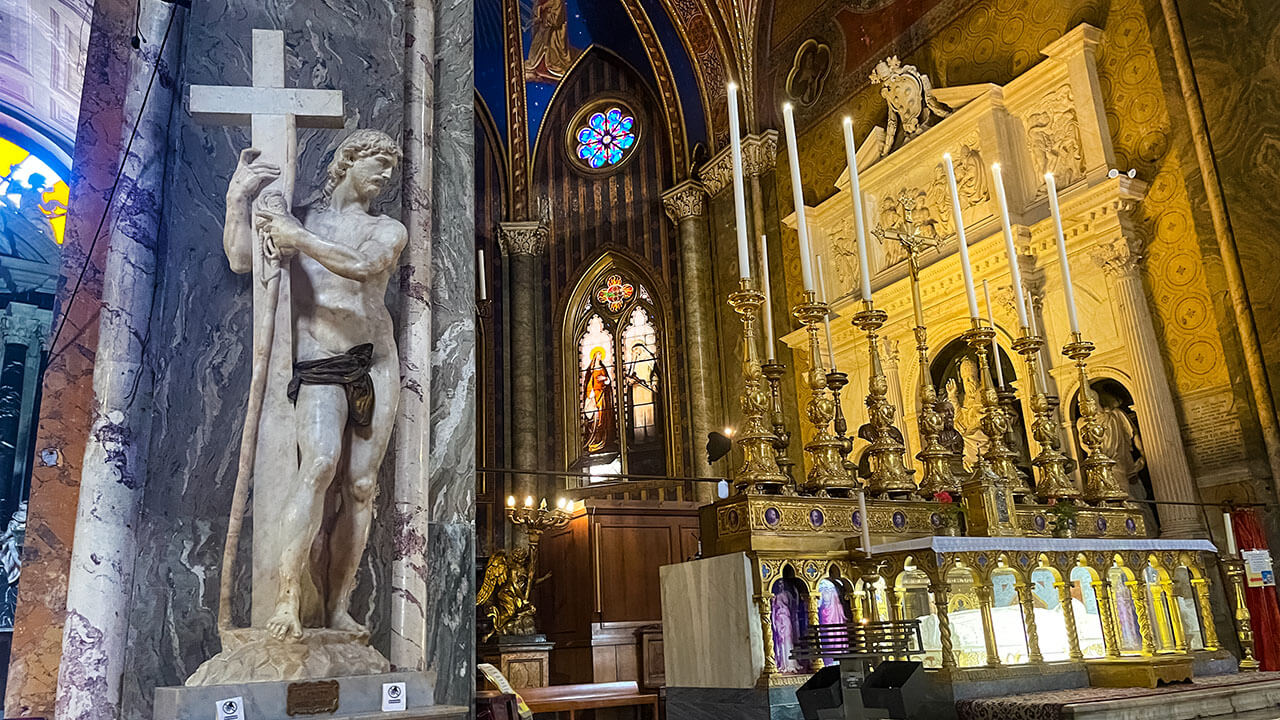
As the only Gothic church in Rome, Santa Maria Sopra Minerva offers a unique architectural experience amidst the predominantly Baroque cityscape.
Located near the Pantheon, this church stands on the site of an ancient temple dedicated to the goddess Minerva. Inside, the church is home to Michelangelo’s statue of Christ the Redeemer, a masterpiece that radiates serene beauty and strength.
The interior is adorned with striking frescoes, vibrant stained glass windows, and the tombs of notable figures, including Saint Catherine of Siena. The Gothic arches and soaring columns create a sense of reverence and awe, making it a must-visit for those seeking both artistic and spiritual enrichment.
.
.
St. Peter in Chains (San Pietro in Vincoli)
St. Peter in Chains, known as San Pietro in Vincoli, is celebrated for housing Michelangelo’s magnificent statue of Moses. This church, situated on the Oppian Hill, derives its name from the relic of the chains that bound Saint Peter during his imprisonment in Jerusalem.
The main highlight is Michelangelo’s Moses, part of the unfinished tomb of Pope Julius II. The statue exudes a powerful presence with its intricate details and expressive features. Visitors can also admire the relic of Saint Peter’s chains, displayed beneath the main altar.
The church’s serene ambiance and artistic treasures make it a significant site for those exploring Rome’s religious and cultural heritage.
.

.
.
Visit Museums without huge crowds and restrictive time slot tickets
In August, Rome’s museums offer a perfect retreat from the sweltering summer heat, with their air-conditioned halls brimming with historical, artistic, and cultural treasures. To enjoy a more relaxed and flexible visit, consider exploring museums that typically have fewer crowds and less restrictive time slot tickets.
.
Capitoline Museums
One such destination is the Capitoline Museums, located on the historic Capitoline Hill. These museums house an impressive collection of ancient Roman statues, including the iconic statue of the Capitoline Wolf, which symbolizes the legend of Romulus and Remus. Additionally, visitors can admire a variety of Renaissance art pieces from renowned artists such as Caravaggio and Titian. The museums’ location also offers stunning views of the Roman Forum and the city, making it a comprehensive cultural experience with a relatively peaceful atmosphere compared to other major attractions.
.

.
National Roman Museum
The National Roman Museum, located near Termini Station, is another excellent choice. This museum has multiple locations, each offering a unique glimpse into Rome’s rich heritage. Palazzo Massimo alle Terme, for example, houses an extensive collection of Roman artifacts, including intricate frescoes, mosaics, and sculptures.
.

.
Villa Giulia
For those interested in the ancient Etruscans, Villa Giulia, also known as the National Etruscan Museum, is a hidden gem near Villa Borghese. The museum is housed in a beautiful Renaissance villa and features one of the most significant collections of Etruscan artifacts, including the famous “Sarcophagus of the Spouses.”
Visitors can marvel at ancient pottery, jewelry, and other exquisite examples of Etruscan craftsmanship. Villa Giulia offers a quieter alternative to the more crowded museums, providing a peaceful environment to explore the fascinating world of the Etruscans.
.

.
Other museums to consider are:
Palazzo Altemps is renowned for its collection of classical sculptures and Renaissance artworks. The Crypta Balbi provides insights into the archaeological history of Rome through its fascinating excavations and displays, while the Baths of Diocletian showcase the grandeur of ancient Roman architecture. The various locations of the National Roman Museum ensure a diverse and in-depth appreciation of Rome’s history, with a generally less crowded atmosphere.
.
A Walk in the Park: Your Tranquil Escape in Rome
.
Rome’s parks offer a serene retreat from the bustling city streets, providing shaded areas where you can relax and cool down. Among these green havens, the Villa Borghese Gardens stand out as one of the largest and most beautiful public parks in Rome, perfect for a leisurely afternoon.
A visit to the Villa Borghese Gardens can start with a peaceful stroll through its picturesque landscapes. As you meander along the winding paths, you’ll encounter lush greenery, elegant fountains, and stunning sculptures. The park’s diverse flora and carefully designed gardens create a tranquil atmosphere, making it an ideal spot to unwind.
.

.
For those looking to explore further, renting a bike or a pedal boat is a delightful way to cover more ground. Biking along the park’s expansive trails allows you to take in the scenic views at your own pace, while a pedal boat ride on the park’s tranquil lake offers a refreshing escape from the summer heat.
Picnicking in the Villa Borghese Gardens is another wonderful way to enjoy this green oasis. Find a shaded spot under a grand tree or near one of the many charming statues and spread out your picnic blanket. Savor some local delicacies as you soak in the serene surroundings, perhaps with a good book or simply indulging in people-watching.
In addition to its natural beauty, the park is home to several cultural attractions, such as the Galleria Borghese, where you can admire an impressive collection of Renaissance and Baroque art. Combining a visit to the museum with a stroll through the gardens provides a perfect blend of culture and nature.
Whether you choose to walk, bike, or relax with a picnic, the Villa Borghese Gardens offer a delightful escape from the summer heat and a chance to experience a different side of Rome.
.
.
By understanding and adapting to the changes that come with August in Rome, you can navigate the city more effectively and make the most of your visit. The key is to plan ahead, remain flexible, and appreciate the unique atmosphere that this time of year brings to the Eternal City.
Whether it’s enjoying a leisurely stroll through the historic center, cooling off with a delicious gelato, or experiencing the local festivities of Ferragosto, August in Rome can be a memorable and enriching experience.
Thank you for reading our RomeCabs travel blog Visiting Rome in August: What you should know. We wish you a fantastic holiday in Italy!
~The RomeCabs Team
.
Find RomeCabs online also on:
- RomeCabs FACEBOOK
- RomeCabs PINTEREST
- RomeCabs TWITTER
- RomeCabs INSTAGRAM
- RomeCabs FLICKR Photo Gallery
.
.
.
.
 RomeCabs Blog Italy - Italy Private Excursions, Rome Tours, Civitavecchia Transfers
Leave a Reply